
TRENDS Research & Advisory, a TRENDS Group company, held a panel discussion titled Artificial Intelligence and Its Role in Countering Radical and Extremist Ideas. Hosted through TRENDS’ virtual office in Germany, the session brought together leading experts in counterterrorism, security, technology, and extremism prevention as part of TRENDS’ participation in the 78th Frankfurt Book Fair.
Participants emphasized that using AI to counter extremism faces several challenges, particularly around privacy, surveillance, algorithmic bias, freedom of expression, and the risk of misclassifying content or individuals. They stressed that developing AI tools in this field requires clear principles to ensure responsible, proportionate use of technology while balancing security requirements with fundamental rights and freedoms.
They noted that the global security and digital landscape will continue to transform significantly in the coming years, requiring governments, security institutions, academia, and technology companies to respond proactively. They underscored the importance of an integrated approach that combines technology, security analysis, scientific research, education, prevention, and international cooperation, while placing ethical and human rights considerations at the heart of AI applications.



Opportunities and Challenges
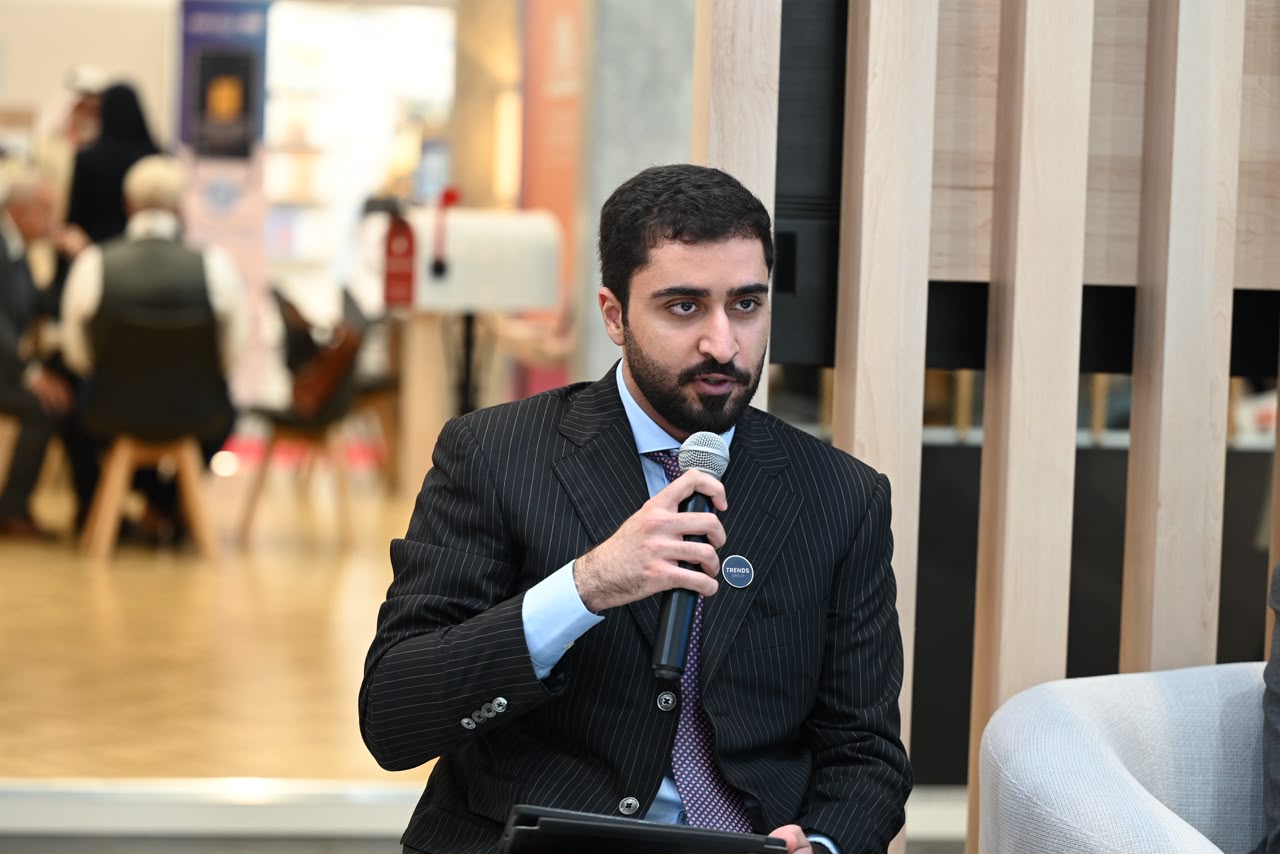
Ahmed Al-Mahmoud, a Researcher at TRENDS Research & Advisory and moderator of the session, said AI is playing an increasingly important role in security, counterterrorism, and counter-extremism efforts. He explained that these technologies offer advanced capabilities to analyze vast amounts of information and identify patterns and early warning indicators of threats. At the same time, they present new challenges, as extremist actors may exploit them to spread disinformation and hatred.
Opening the discussion, retired Brigadier General Gustav Gustenau, Secretary-General of the European Institute for Counter Terrorism and Conflict Prevention (EICTP), examined how AI is reshaping the future of counterterrorism. He discussed its potential to improve responses to terrorist and extremist threats and strengthen early warning capabilities, while highlighting the limits of using AI to predict human behavior, particularly the progression from extremist beliefs to violent action.
Analyzing Extremist Content
Björn Hawlitschka, Business Development Manager at Securitas Germany, discussed AI’s potential to monitor, analyze, and detect extremist activities online early. He highlighted the importance of using advanced technologies to analyze digital content and behavioral patterns amid the enormous volume of information circulating online. He also emphasized the need to balance threat detection with respect for freedom of expression and avoid misclassifying individuals or communities.
Yan St-Pierre, CEO and Counterterrorism Advisor at Germany’s Modern Security Consulting Group (MOSECON), noted that extremist organizations and groups could exploit rapid advances in AI for propaganda, communication, and recruitment. He focused on the risks of synthetic content, deepfakes, automated messaging, and targeted propaganda. He also warned that these technologies could lower barriers for smaller groups, enabling them to produce more sophisticated propaganda materials and reach international audiences more quickly.
Developing Legislation and Expertise
Mostafa Al-Ammar, an international security expert and member of Germany’s Christian Democratic Union (CDU), examined the strategic and institutional dimensions of these transformations. He emphasized the need to prepare governments to address AI-related security threats by investing in technology, developing appropriate legislation and specialized expertise, and strengthening cooperation among institutions, technology companies, and research organizations. He also stressed the importance of international cooperation in countering cross-border threats, especially since extremist content can spread across platforms, countries, and communities.
Abdulkerim Şenel, a specialist in religious and political extremism and lecturer at the University of Münster in Germany, explained that countering extremism cannot be limited to removing extremist content from digital platforms. Instead, it also requires strengthening prevention efforts and developing young people’s critical thinking skills and ability to evaluate the information they encounter online. He emphasized the importance of harnessing AI in education and prevention, developing alternative narratives, and reducing the influence of extremist rhetoric.

