The global trading system is undergoing one of its most profound transformations since the end of the Cold War. For more than three decades, economic globalization was largely characterized by the progressive integration of production networks, the reduction of trade barriers, and the expansion of global value chains (GVCs). Firms increasingly fragmented production across borders to exploit comparative advantages in labor costs, technological capabilities, and logistics infrastructure, creating an unprecedented degree of economic interdependence. This process enabled emerging economies to become deeply integrated into international production systems while allowing multinational corporations to optimize efficiency through geographically dispersed manufacturing networks.
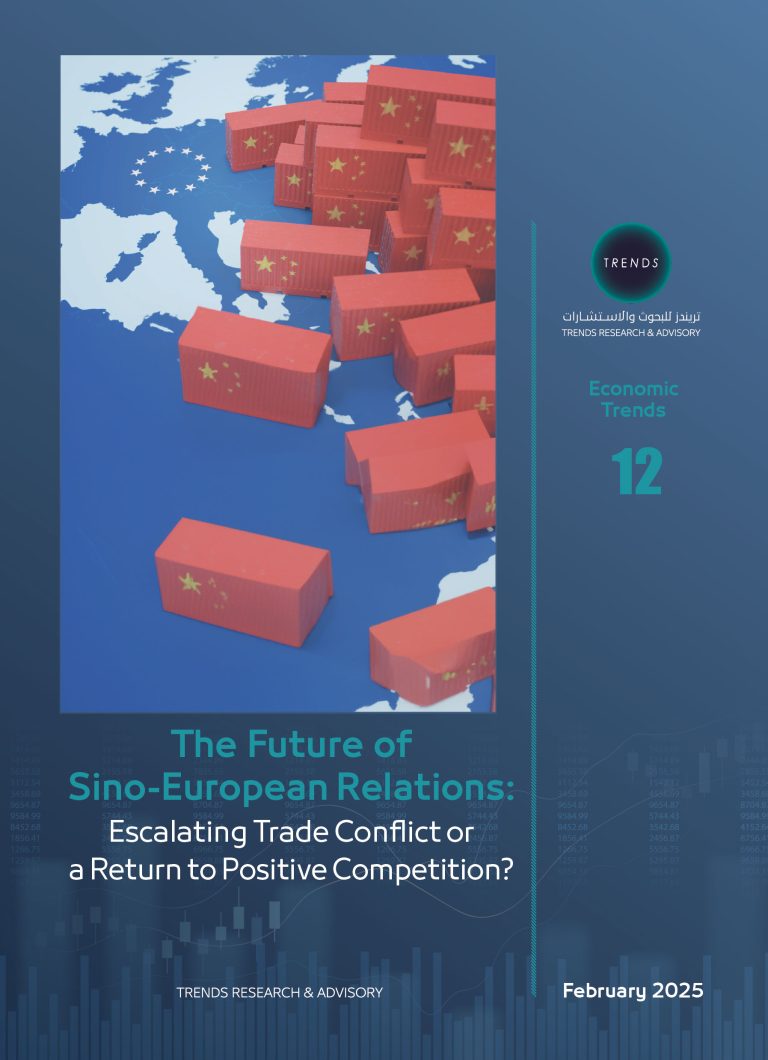
Among all emerging economies, no country has benefited more from this transformation than China. Since its accession to the World Trade Organization (WTO) in 2001, China has evolved from a low-cost manufacturing platform into the world’s largest exporter and one of the central pillars of global production networks. Today, China occupies a dominant position in numerous manufacturing industries, including electronics, machinery, chemicals, renewable energy technologies, pharmaceuticals, and increasingly sophisticated high-technology sectors. Beyond its export performance, China’s importance stems from its pivotal role in supplying intermediate goods that feed production processes across virtually every region of the world. As a onsequence, disruptions affecting Chinese production rapidly propagate throughout international supply chains, illustrating the unprecedented interconnectedness of the contemporary global economy.
However, the environment that facilitated China’s remarkable integration into the global economy has changed substantially over the last decade. Growing geopolitical tensions between major powers, the resurgence of industrial policy, increasing concerns regarding economic security, and repeated disruptions to international supply chains have challenged the assumptions that underpinned globalization during the previous thirty years. The COVID-19 pandemic exposed the vulnerabilities associated with excessive dependence on geographically concentrated production systems, particularly for essential goods such as pharmaceuticals, semiconductors, and medical equipment. More recently, strategic competition between the United States and China, technological restrictions, export controls, sanctions, and the growing politicization of international trade have accelerated what many scholars describe as an era of geoeconomic fragmentation.
Related Publications