


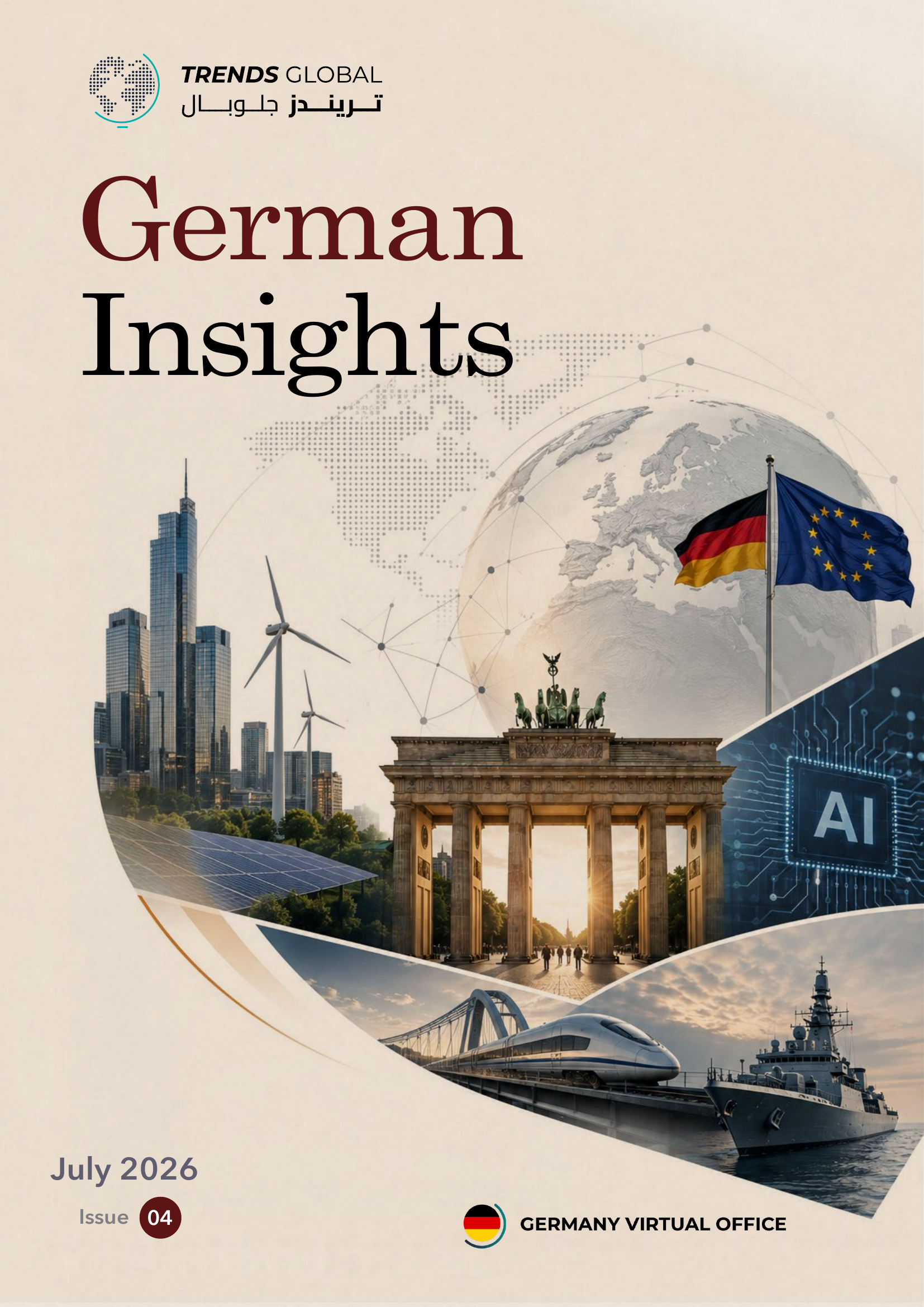
Germany entered the summer of 2026 at a decisive strategic moment. After two years of weak economic performance, early signs of recovery emerged alongside ambitious efforts to modernize industry, strengthen technological competitiveness, and accelerate investment. Yet economic renewal unfolded against an increasingly volatile security environment.
Russia’s continued military pressure on Ukraine, NATO’s evolving deterrence posture, instability across the Middle East following the Iran–Israel ceasefire, and intensifying geopolitical competition between the United States and China have fundamentally reshaped Germany’s strategic outlook. Domestically, the 2026 BfV Annual Report highlighted the growing complexity of hybrid threats, including cyberattacks, foreign espionage, disinformation campaigns, political extremism, and attacks targeting democratic institutions. Security is no longer viewed solely through a military lens but increasingly as the protection of Germany’s economy, technological leadership, critical infrastructure, and democratic resilience.
Against this backdrop, Germany has assumed a broader leadership role within Europe, balancing defence modernization, industrial transformation, diplomatic engagement in the Middle East, and closer cooperation with European and transatlantic partners. This issue examines how these interconnected developments are redefining Germany’s strategic position in an era of geopolitical uncertainty.
