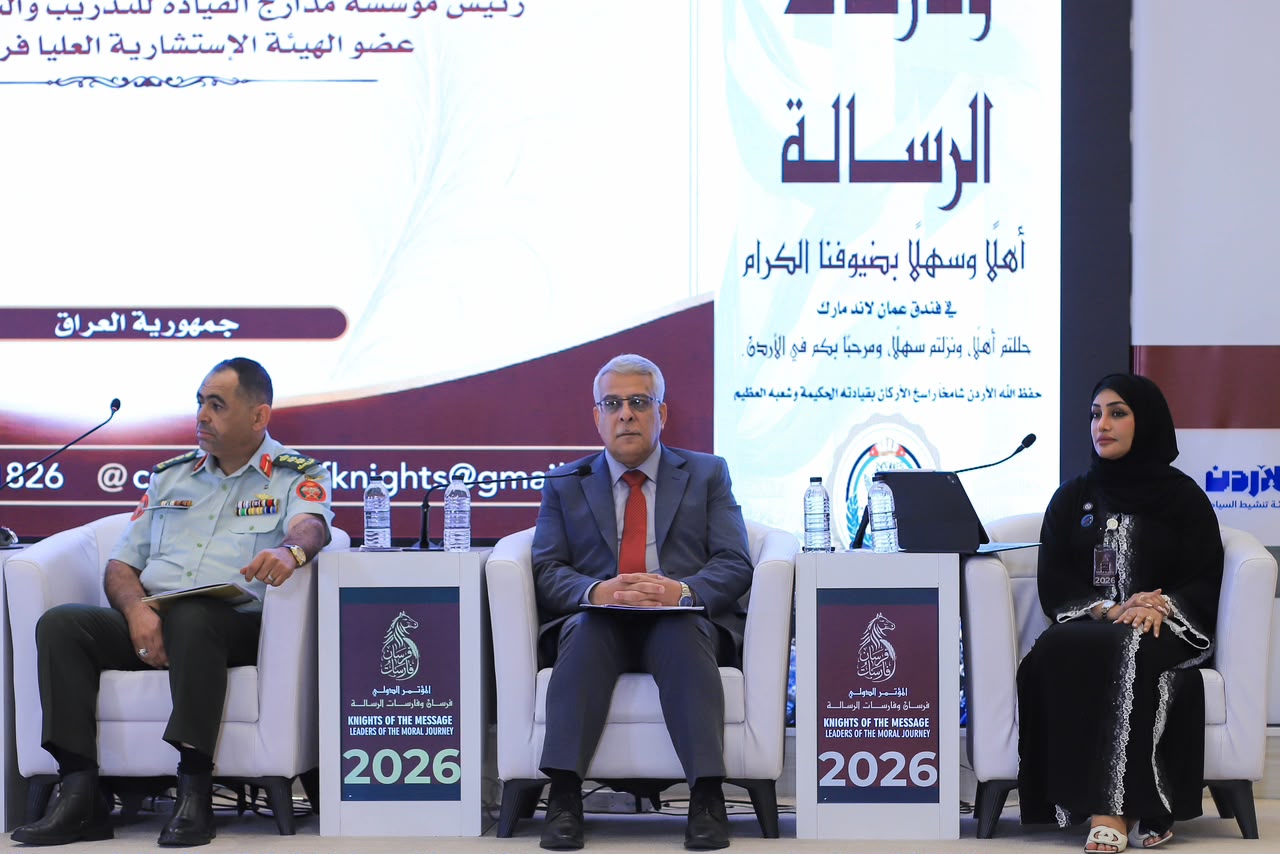
Alia Al Nuaimi: Tolerance in the UAE experience has evolved from a core national value into a component of the soft power system.
TRENDS Global, part of TRENDS Group, participated through its office in Jordan in the international conference Knights of the Message – Leaders of the Moral Journey, held in the Jordanian capital, Amman, and organized by the Knights of Peace organization. The conference brought together a distinguished group of researchers, academics and officials from several Arab and regional countries.
Alia Darwish Al Nuaimi, Senior Researcher at TRENDS, presented a paper titled The Diplomacy of Tolerance and Peace: The UAE Model of Coexistence and International Presence. The paper examined the UAE’s experience in transforming the values of tolerance and coexistence from a national foundation into an avenue for the country’s international diplomatic engagement.
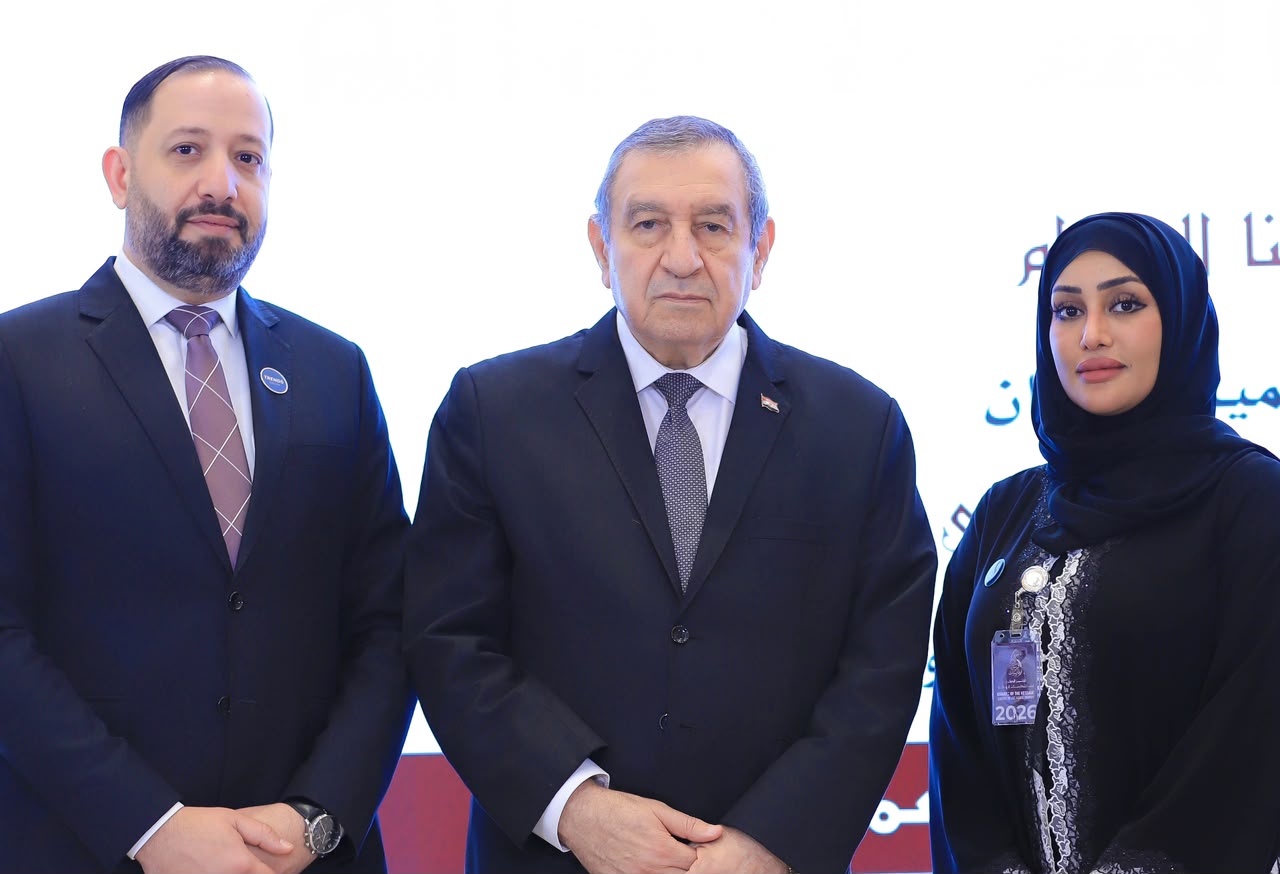
In her conference contribution, Al Nuaimi reviewed the historical roots of tolerance in the UAE experience, noting its association with the vision of the Founding Father, the late Sheik Zayed bin Sultan Al Nahyan, and its role in building society, consolidating the values of coexistence, and bringing viewpoints closer together. She explained that this approach later evolved through institutional and legislative frameworks, as well as national and international initiatives.
Al Nuaimi explained that the UAE experience gradually progressed from institutionalizing tolerance and coexistence domestically to employing them as instruments of foreign diplomacy through interfaith dialogue, mediation, humanitarian action, and multilateral cooperation. This has strengthened the UAE’s soft power and enhanced its international presence.
The TRENDS paper addressed the constitutional, institutional, and legislative foundations supporting this approach, including the establishment of a dedicated ministry for tolerance and coexistence and the launch of the National Tolerance Program, alongside legislation to combat discrimination, hatred, and extremism. It also examined initiatives to promote interfaith dialogue, including the Abrahamic Family House and the Document on Human Fraternity, signed in Abu Dhabi in 2019.
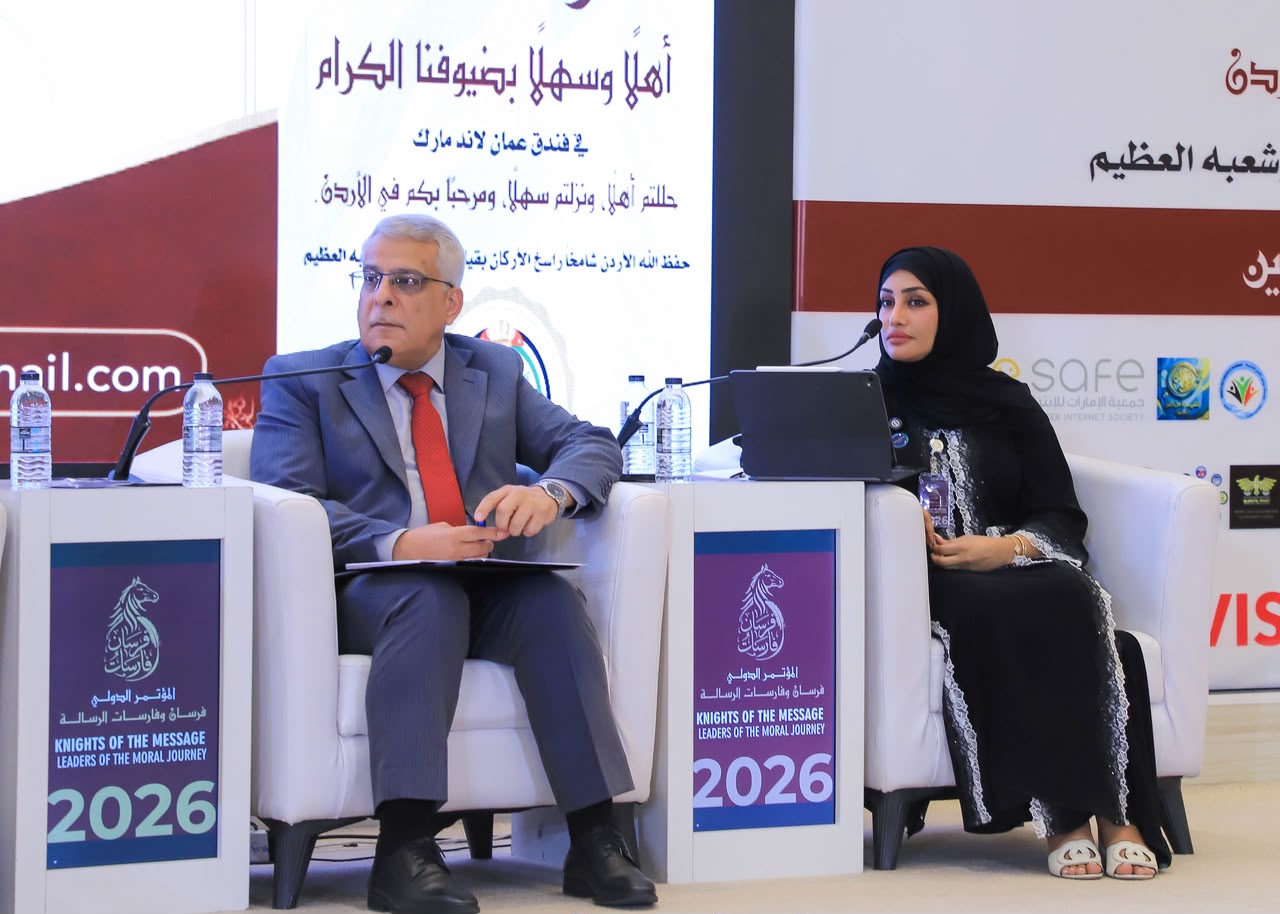
Al Nuaimi also examined the UAE’s role in supporting peace and mediation efforts, highlighting the use of active diplomacy, de-escalation, and bridge-building. In this context, she reviewed the UAE’s mediation efforts in the Russia–Ukraine crisis, particularly prisoner exchanges and the hosting of rounds of dialogue and political consultations.
She stressed that tolerance is linked to soft power, as it is one of the elements through which states can strengthen their ability to exert influence through attraction and persuasion rather than instruments of coercion. She noted that the environment of coexistence among more than 200 nationalities in the UAE is one component of this model.
Al Nuaimi also discussed extending the UAE model internationally by supporting dialogue among religions and civilizations, countering extremism and hate speech, and participating in international initiatives and programs that promote a culture of tolerance and coexistence. She emphasized that continuing to develop this model requires keeping pace with rapid geopolitical transformations and consolidating it as a sustainable, continually evolving approach.
She concluded that tolerance in the UAE experience has evolved from a core national value into a component of the country’s soft power system through institutional and legislative frameworks, cultural and religious partnerships, and roles in mediation and peacebuilding. This has strengthened the UAE’s regional and international presence and offered an experience in coexistence, dialogue, and peace that can continue to be developed and sustained.