-The UAE and Saudi Arabia are striving to expand their strategic independence and develop their defined capabilities
-Both countries are capable of exerting a tangible influence on global power balances, energy markets, and investment flows
-The 2026 war has reinforced the diversification of partnerships, the development of self-reliance capabilities, and the building of multi-layered strategic resilience
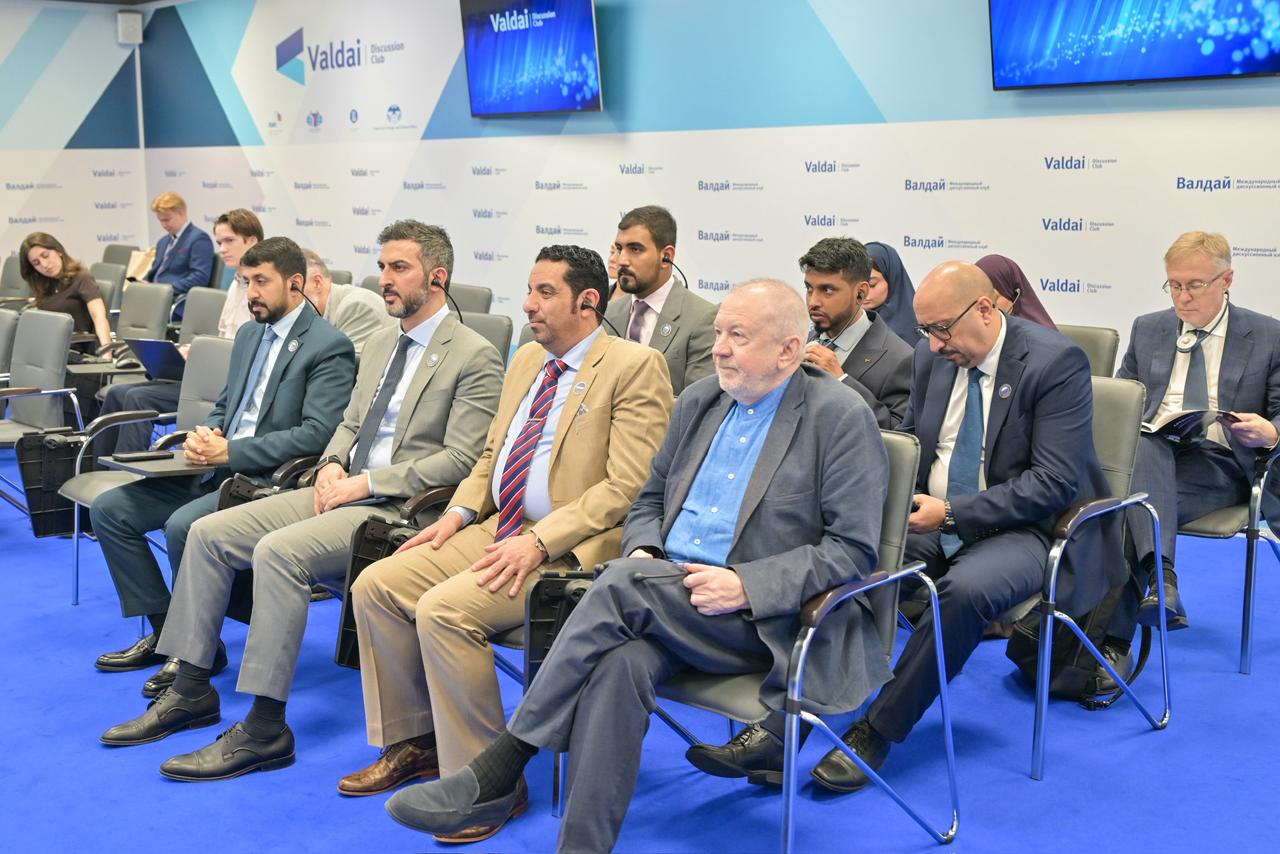
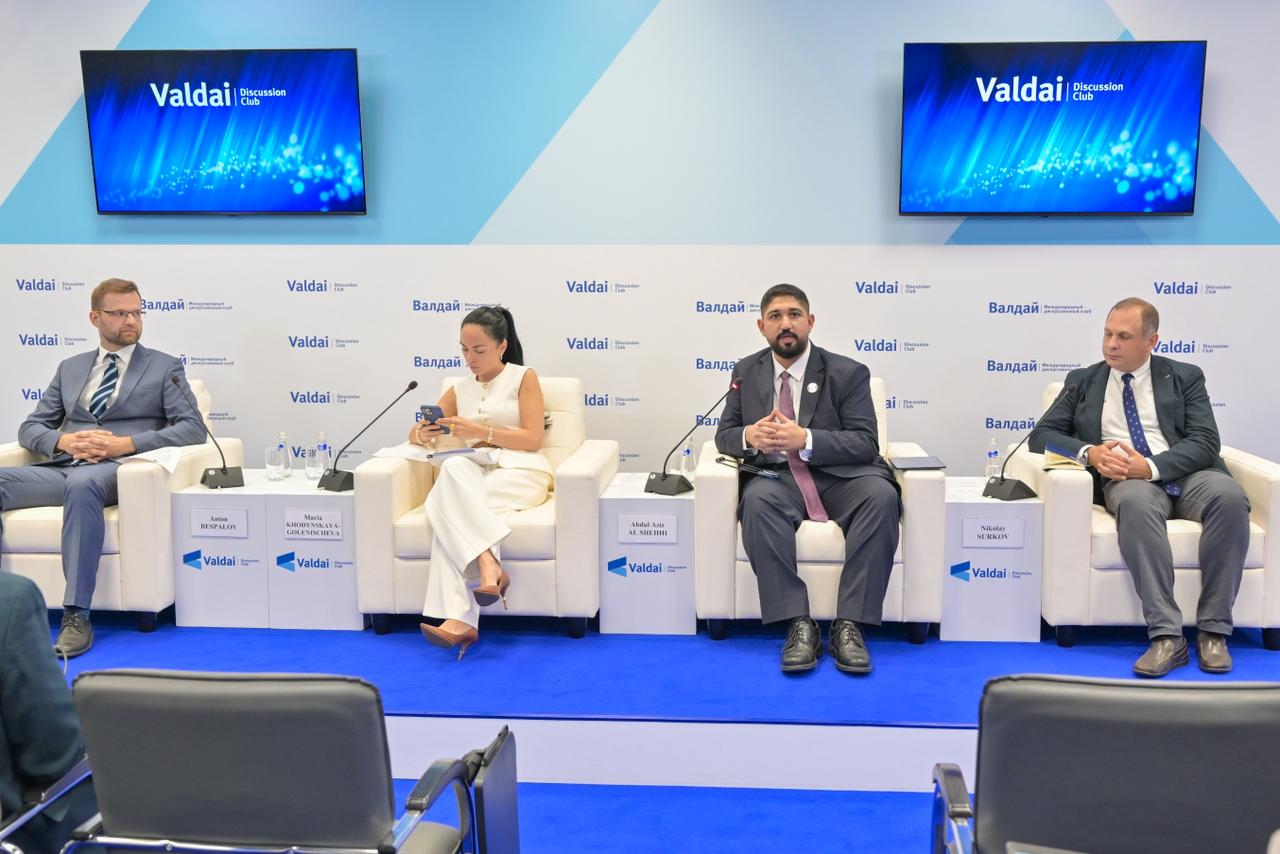
To enhance cooperation in research, academic, and knowledge partnerships, TRENDS Research & Advisory, part of the TRENDS Group, in cooperation with the Russian Valdai Discussion Club, launched a joint research study titled Middle Powers in a Polycentric World: The Quest for Strategic Autonomy at the headquarters of the Valdai Discussion Club in Moscow. Andrey Bystritskiy, Chairman of the Board of the Valdai Discussion Club Foundation, Dr. Mohamed Abdullah Al-Ali, Chairman of the Board of Directors of TRENDS Group, and a distinguished group of researchers, academics, and experts attended the launch. The study, edition No. 33 of the Strategic TRENDS series, examines the strategic behavior of middle powers in an emerging multipolar international system, using the United Arab Emirates and the Kingdom of Saudi Arabia as its two main case studies. It starts with the premise that multipolarity, understood as the coexistence of multiple and disparate centers of power across overlapping domains, provides a more accurate explanatory framework than bipolarity for explaining the contemporary distribution of global influence.
Multiple Power Centers
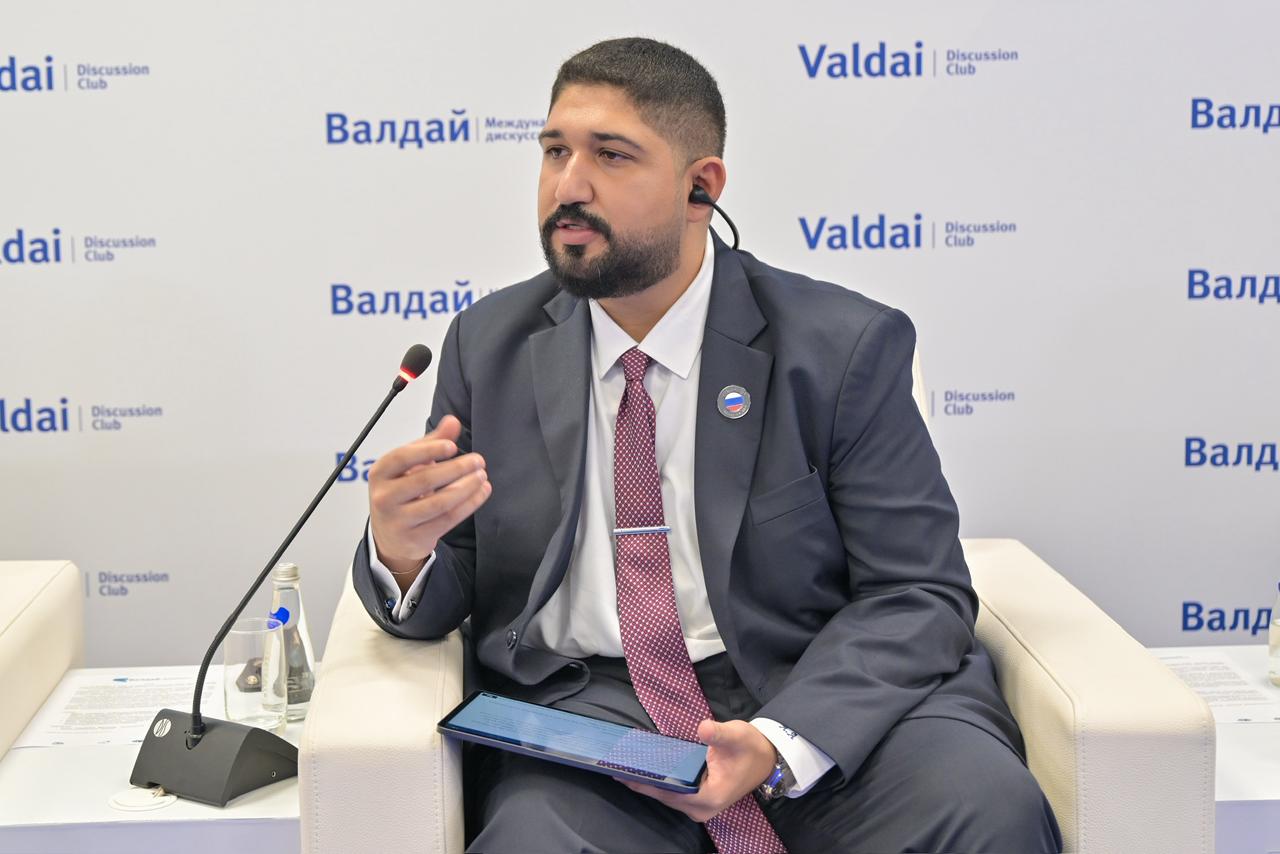
Abdulaziz AlShehhi, Senior Researcher and Deputy General Manager of TRENDS Research and Advisory, said the study, “Middle Powers in a Polycentric World,” concluded that polycentricity provides the analytical framework best suited to explaining the nature of the contemporary international system and the strategies of middle powers within it. The evidence derived from the experiences of the UAE and Saudi Arabia shows that bipolarity or multipolarity does not adequately reflect the complexity of the strategic environment in which these two countries operate—an environment characterized by the coexistence of multiple power centers, the overlap of institutional affiliations, and the emergence of multi-directional patterns of engagement that cannot be reduced to the logic of traditional alignment.
Strategic Independence
AlShehhi pointed out that the study reached three main conclusions. First, neither the UAE nor Saudi Arabia seeks hegemony. The structural constraints and strategic requirements that shape their foreign policies preclude “hegemonic ambition” while also pushing them to expand their strategic independence continually. The two countries are engaged in long-term projects to diversify their economies, develop defense capabilities, and strengthen institutional diplomacy designed to expand their margin of movement. However, they still face structural constraints, especially in hard security, that make full strategic independence a medium- or long-term goal rather than an existing reality.
Swinging Powers
He also stated that the second result explains the concept of “swinging powers,” that is, the distinct strategic role that these countries increasingly assume. Unlike major powers that shape the international system through material hegemony, or small states that bear the pressures of the international system with limited ability to respond, swinging powers occupy a middle position that gives them considerable influence. The UAE and Saudi Arabia can significantly influence global power balances, energy markets, investment flows, institutional alignments, and regional diplomatic processes without either possessing major-power status or seeking it. This disparity between physical size and strategic influence is precisely what gives them their analytical and practical importance.
Developing Self-Reliance Capabilities
AlShehhi explained that the Middle East war of 2026 clearly revealed the structural tensions entrenched in the grand American strategy. It demonstrated the limits of prioritizing strategic objectives amid simultaneous crises, confirming that the phase of clear regional shifts in American strategy has ended. For the Gulf states, the war reinforced reliance on American hard military power, but also increased incentives to hedge that reliance by diversifying partnerships, developing self-reliance capabilities, and expanding institutional options, reflecting a deliberate effort to build multi-layered strategic resilience.
Distribution of Institutional Influence
He emphasized that the Gulf states’ transition from “Oil States” to “Financial Centers,” their cautious experiments in diversifying monetary instruments, and their strategic engagement in the BRICS group and its associated frameworks all point in the same direction: building a concept of independence based on interdependence and the distribution of institutional influence, rather than isolation or confrontation. This is a distinctive pattern of power accumulation, commensurate with the multipolar system within which these states operate and to which they contribute to re-creation. He added that middle powers in a multipolar world are not forces that change the international system in the traditional sense; rather, they shape it by gradually changing the rules of interaction and the geography of economic interdependence.
The Future of Content
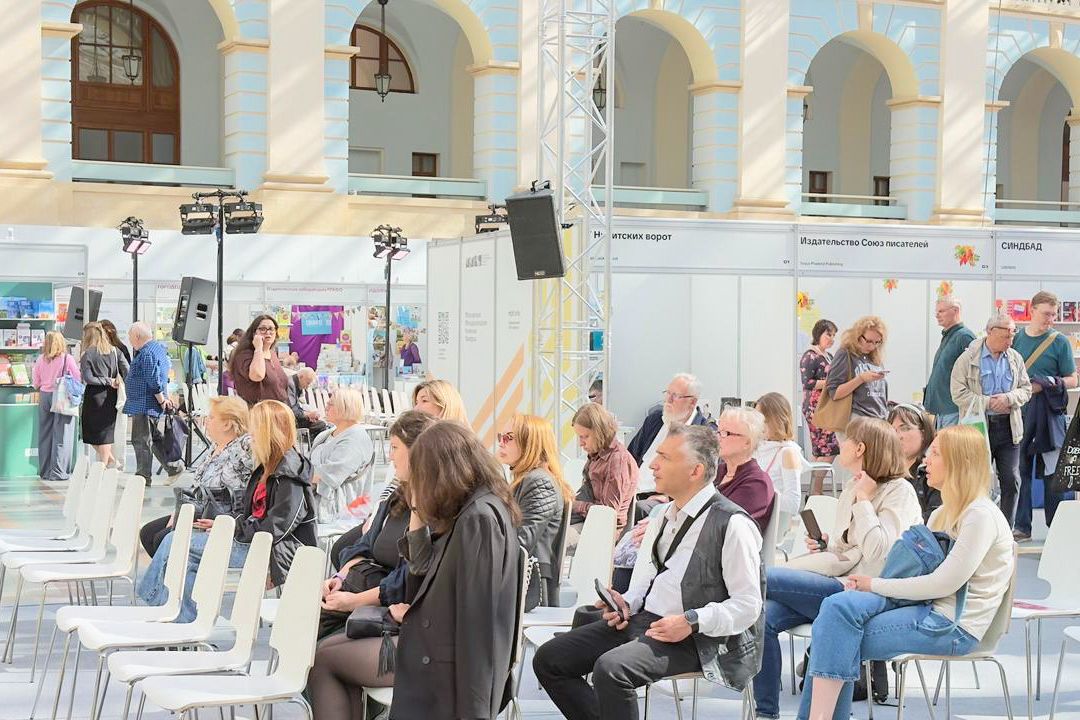
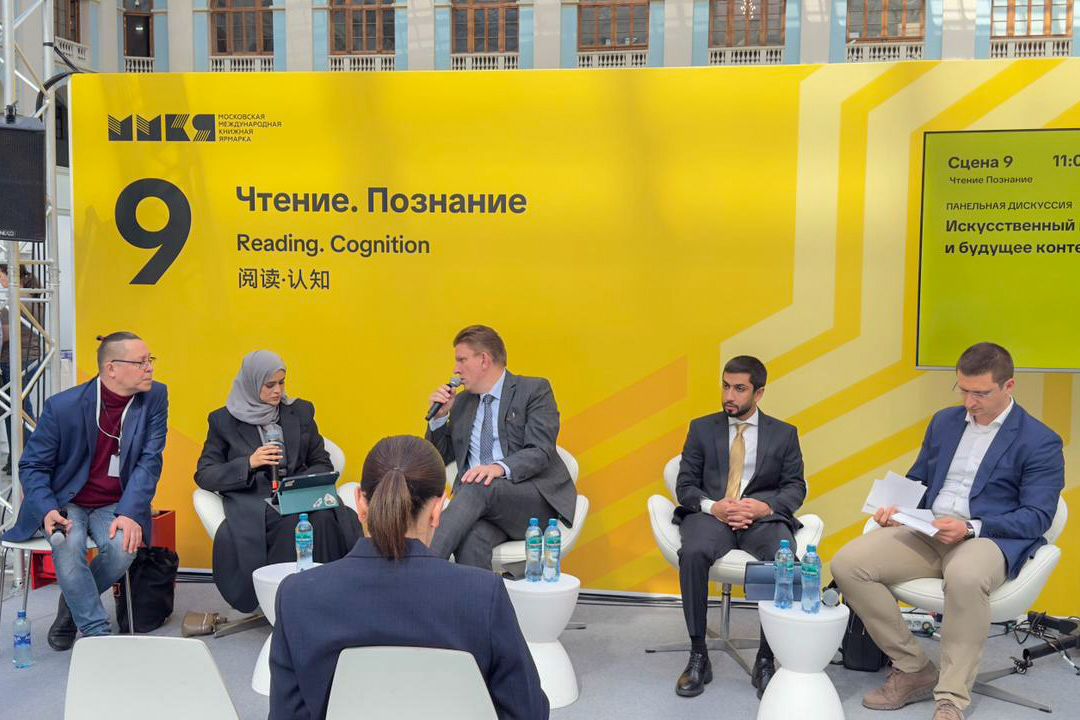
In a related context, TRENDS Global held a panel discussion titled “Artificial Intelligence, Creative Rights, and the Future of Content” as part of its program at the 2026 Moscow International Book Fair. The discussion, moderated by Warda Al Menhali, Researcher and Head of Corporate Communications at TRENDS, explored the legal gray areas reshaping the creative economy, from copyright and licensing to mechanisms for compensating authors and original creators, and the future of content in the digital age. It also addressed the shortcomings of current regulatory frameworks and the new rules the industry needs to protect creative rights in the age of artificial intelligence. Dr. Oleg Kondratenko, Director of the Graduate School at the Russian Presidential Academy of National Economy and Public Administration (RANEPA), said digital trust rests on three documentary pillars. The first is the identity of the entity that produced the content, whether a human or an algorithm; the second is permission, a legal record governing the use of training or output materials; and the third is human participation, measured by the percentage of actual human editing and supervision. He pointed out that without such records, content can become a tool for misinformation, while standardizing digital footprint criteria lays the foundation for public accountability and protects creativity from exploitation without restricting innovation.
 Enhancing Human Creativity
Hazza Al Hammadi, researcher and Director of Exhibitions at TRENDS, explained that artificial intelligence can help us be more creative and work faster, reach wider audiences, and open up new horizons. However, we must also protect the people behind the original ideas: writers, artists, designers, and creators. Innovation must move forward, but not at the expense of creative rights. He said artificial intelligence should enhance human creativity, not replace it; technology can generate content, but human experience, culture, and identity give it true meaning. He added that the future is not based on conflict between humans and artificial intelligence, but on how they can work together under clear rights, fair rules, and respect for creativity.
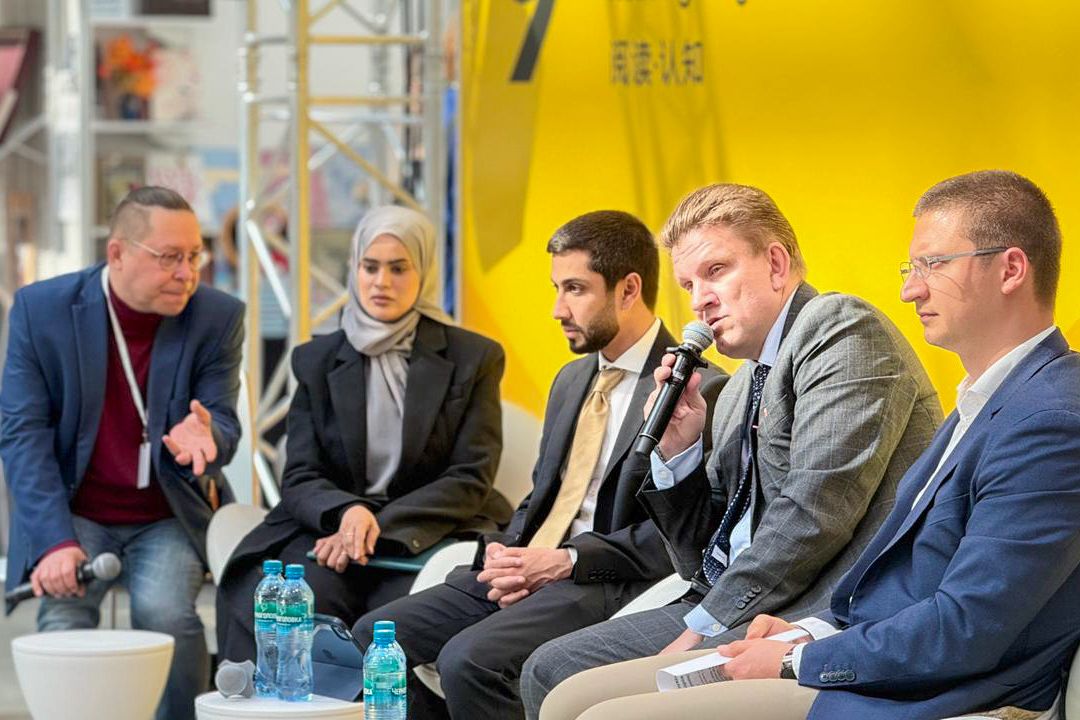
Evgeny Kapyev, CEO of Eksmo Publishing House, confirmed that the publishing industry is facing a new equation, where the idea is human, the formulation is algorithmic, and the publishing is digital, which complicates determining the owner and beneficiary. He added that the publishing sector needs to protect human creativity as the final editor, ensure transparency through mandatory disclosure of the use of artificial intelligence in publications, and ensure fairness in licensing training materials for smart engines and artificial intelligence tools.