Discussing Family Balance, Mental Health, and Transformations in Family Life and Education Across Three In-Depth Sessions
Key Recommendations:
-Encourage flexible work environments that support family responsibilities and promote work–family balance
-Strengthen mental health, prevention, and early intervention programs, and provide psychological and social support to families
-Reinforce national identity and values and promote intergenerational dialogue amid digital transformations
-Strengthen partnerships between families and educational institutions to support the upbringing of future generations
Use research and data to develop evidence-based family policies and measure their impact
The TRENDS Observatory’s 1st Annual Conference, held on Thursday in Abu Dhabi under the theme The Family in the Era of Social Transformation, and inaugurated by H.E. Sheikh Nahyan bin Mubarak Al Nahyan, Minister of Tolerance and Coexistence, recommended strengthening family stability and developing policies and initiatives that support family formation and respond to changing family needs. It also called for promoting work-family balance, encouraging flexible workplaces that accommodate family responsibilities, strengthening mental health, prevention, and early intervention programs, and providing psychological and social support to families.
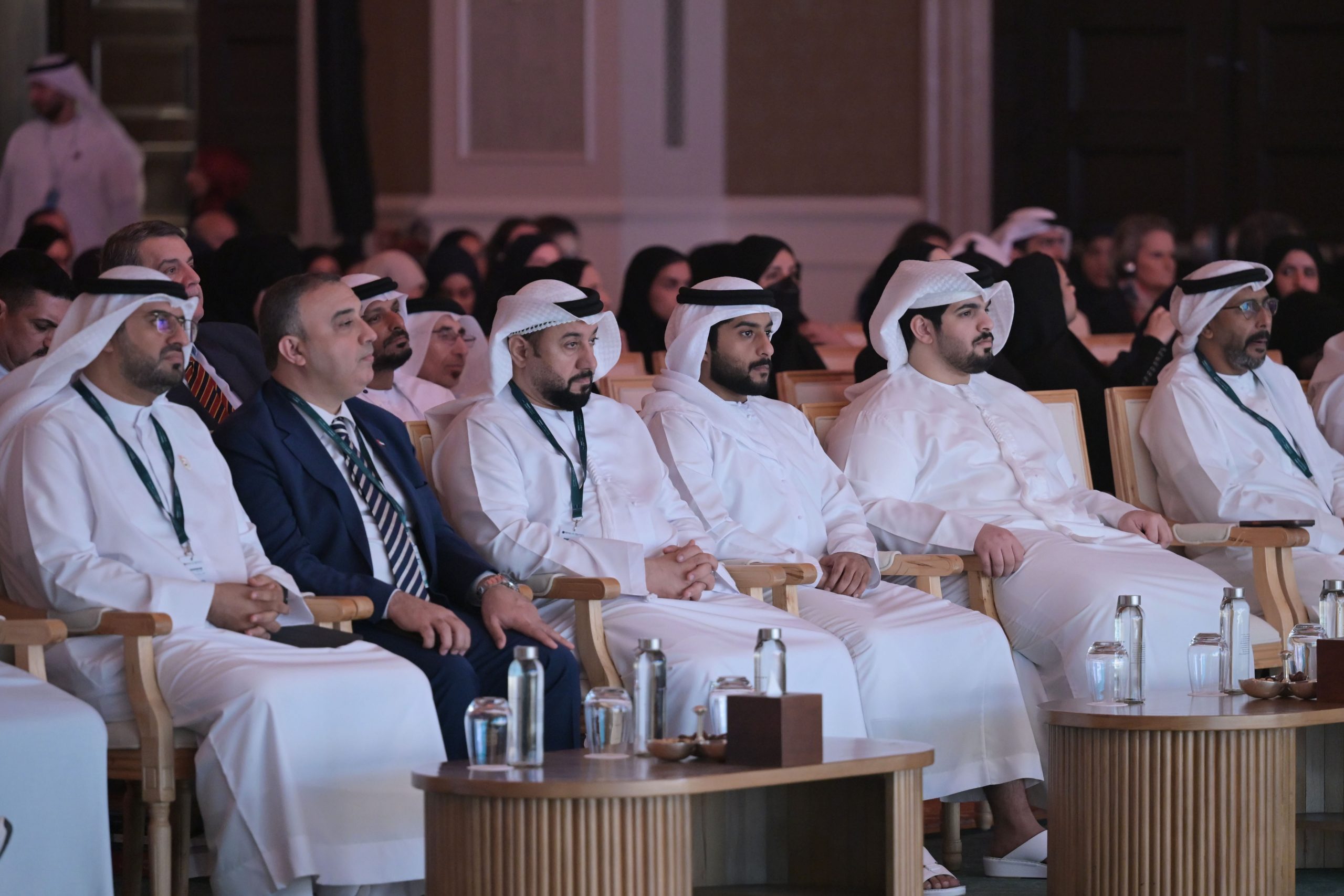
Participants in the conference sessions, which brought together more than 25 academics, researchers, experts, and officials from entities concerned with family affairs and community development, emphasized the importance of reinforcing national identity and promoting intergenerational dialogue amid digital transformations. They also stressed the need to strengthen partnerships between families and educational institutions to support the upbringing of future generations, and to expand the use of research, studies, and data to develop evidence-based family policies and measure their impact. They explained that strengthening family stability and cohesion requires integrated research, institutional, and community efforts, as investing in family stability is an investment in society’s future.
Strategic Conference Partners
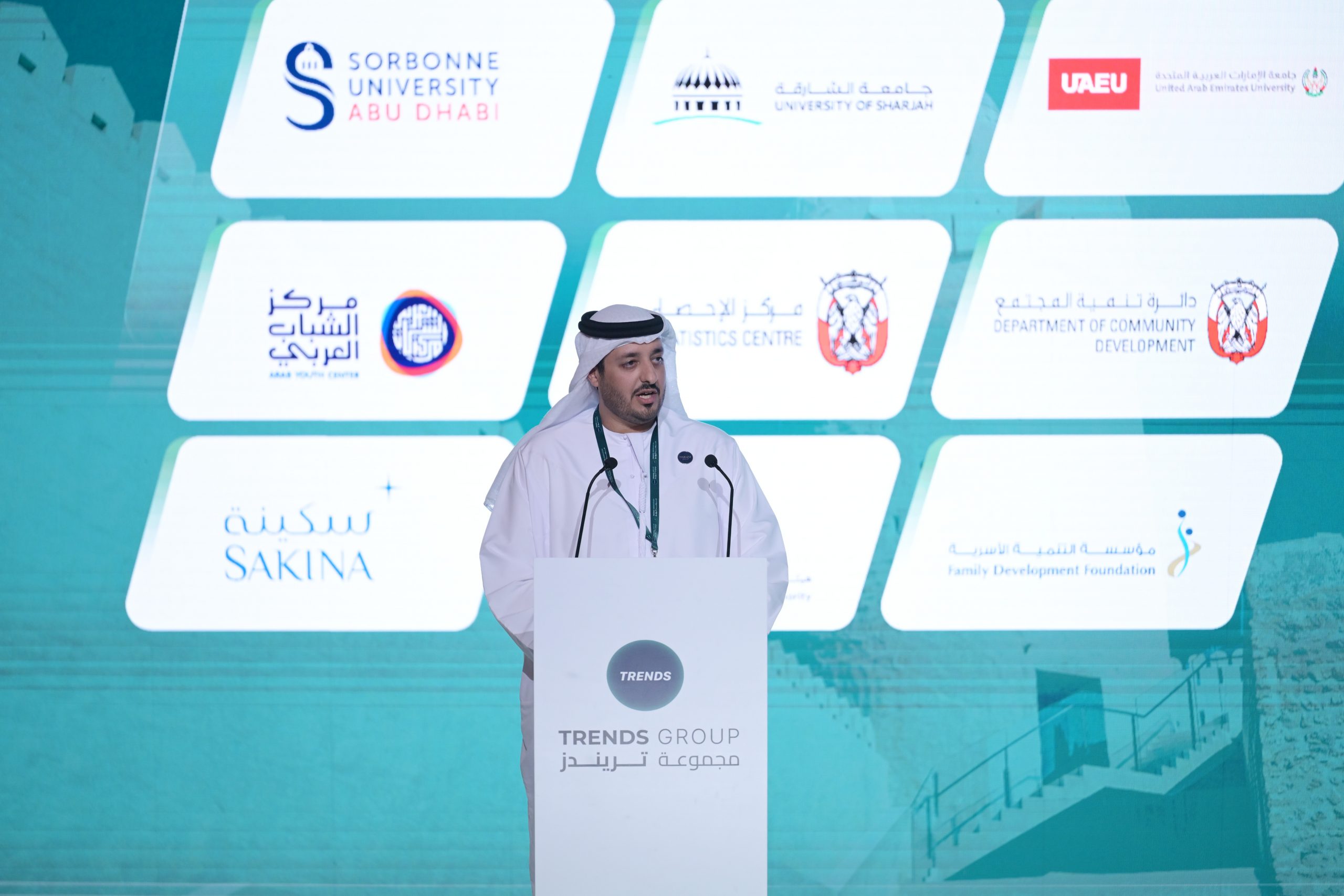
The conference and its accompanying exhibition were held in cooperation and strategic partnership with United Arab Emirates University, the University of Sharjah, Sorbonne University Abu Dhabi, the Federal Youth Authority, Statistics Center – Abu Dhabi, and the Department of Community Development – Abu Dhabi. Media partners included the National Media Authority, Emirates News Agency (WAM), Abu Dhabi Media Network, Sharjah 24, and Gulf News.
A Partnership to Support Families
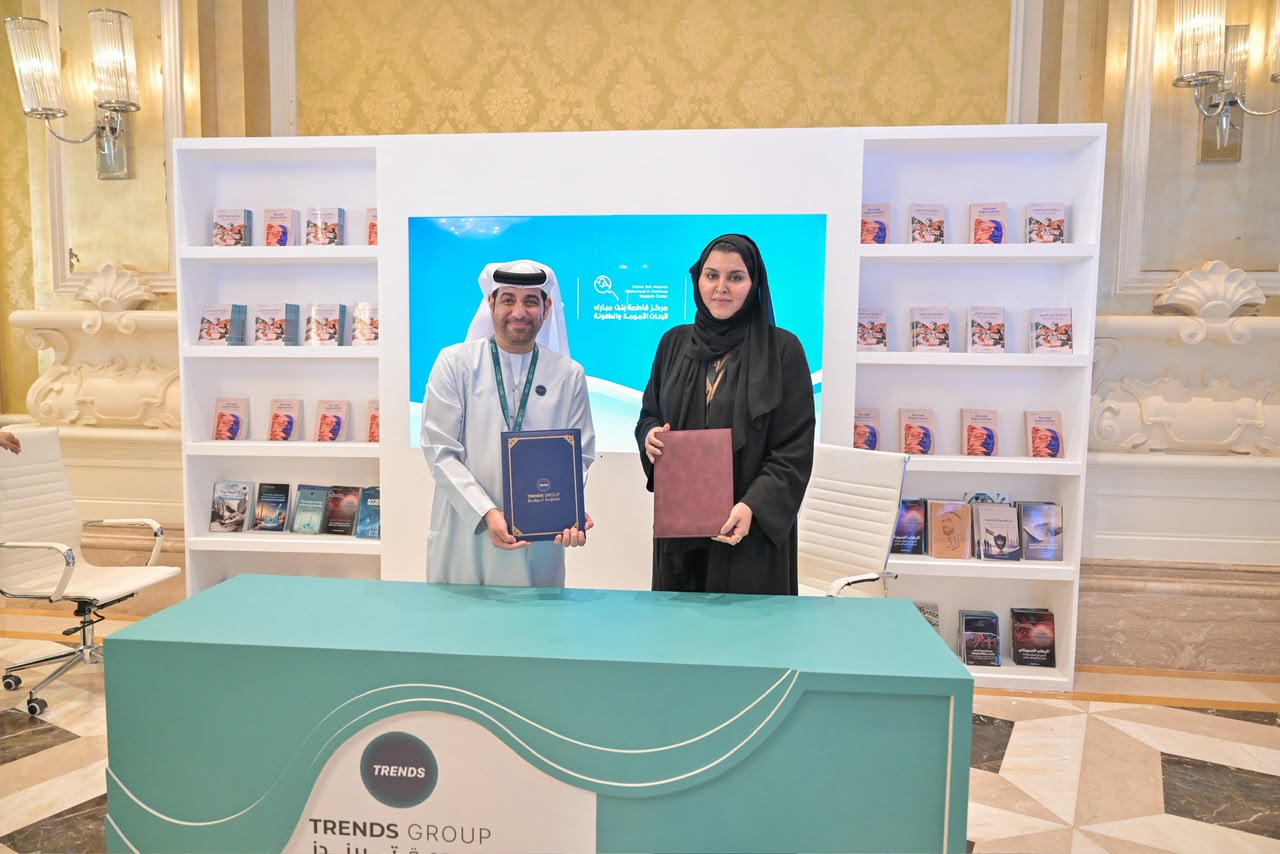
On the sidelines of the exhibition accompanying the conference, TRENDS Group signed a memorandum of understanding (MoU) with the Fatima Bint Mubarak Center for Motherhood and Childhood Research at United Arab Emirates University. The agreement aims to strengthen specialized research and knowledge cooperation between the two parties, particularly in applied research on motherhood and childhood. By combining TRENDS’ policy research capabilities with the Center’s specialized expertise, the partnership will facilitate studies on key issues such as maternal and child health, family upbringing, and psychological well-being, and provide evidence-based recommendations to support policymakers.
The MoU was signed by H.E. Al Reem bint Abdullah Al Falasi, Secretary-General of the Supreme Council for Motherhood and Childhood and Chairperson of the Advisory Board of the Fatima Bint Mubarak Center for Motherhood and Childhood Research, on behalf of the Center, and Dr. Mohammed Abdullah Al Ali, Chairman of TRENDS Group, on behalf of TRENDS. Through this constructive partnership, the two parties seek to exchange knowledge and build capacities through joint forums, workshops, research projects, and opportunities for researchers to receive training and gain practical experience, particularly in social policy analysis.
The two parties also agreed to support the implementation of national initiatives concerning families and women as part of the Year of the Family by producing strategic studies and research reports, contributing to improved maternal and child well-being in the UAE and strengthening women’s role in sustainable development.
Three Panel Discussions
As part of the conference, senior officials, policymakers, researchers, academics, experts, specialists, data providers, implementing entities, and community representatives participated in three extensive panel discussions addressing key family and societal issues: Work, Care, and Family Balance, Mental Health and Family Cohesion, and Family and Education: Adapting to Social Transformation.
Session on Work and Family Balance
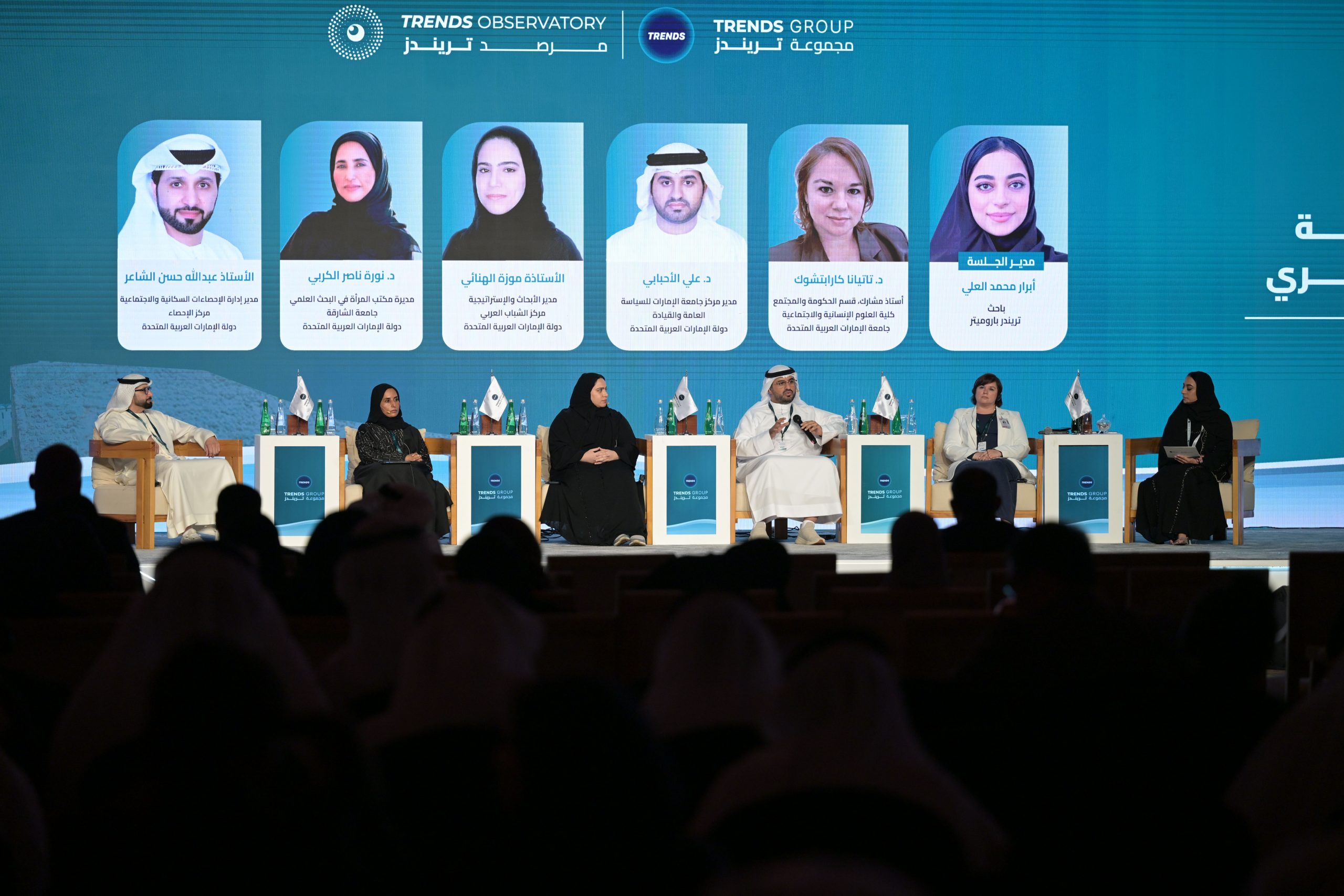
The first panel discussion, Work, Care, and Family Balance, moderated by Abrar Al Ali, Head of the Opinion Polls Sector at TRENDS Barometer, examined the challenges families face in balancing professional demands with caregiving responsibilities and the implications for quality of life and family stability. It highlighted the impact of working hours and changing work patterns on the distribution of roles and responsibilities within families, as well as the role of institutional policies and practices in supporting work-family balance, the needs of young people and families at different life stages, the impact of urban environments, housing, and commuting on family time, and the importance of research and data in developing policies and initiatives that enhance family well-being and cohesion.
Balancing Professional and Family Life
Dr. Noura Nasser Al Karbi, Director of the Women in Research Office at the University of Sharjah, explained that women’s growing participation in the labor market and professional, academic, and leadership sectors brings family responsibilities that require comprehensive approaches to balancing professional and family life. She emphasized that women’s participation cannot be separated from their family roles and that supporting women is closely linked to their quality of life, family stability, and sustained participation.
She highlighted various family challenges, including the need to manage multiple roles, such as professional responsibilities, childcare and family care, and social expectations associated with family roles. She stressed the importance of workplaces responding to the needs of women and families through flexible working arrangements, parental leave, childcare, support for mothers, and a workplace culture that recognizes family responsibilities as an essential part of life rather than an obstacle to professional advancement.
Al Karbi also highlighted the progress Emirati women have made in education, employment, research, and leadership, noting that the supportive environment has opened numerous pathways for their participation. Rather than placing the burden of managing multiple roles solely on women, she emphasized the responsibility of institutions, families, and policies to provide a supportive environment. She stressed the need to move beyond simply reconciling work and family responsibilities towards establishing a comprehensive support system for women and families that strengthens participation, stability, and quality of life.
Challenges to Family Stability
Dr. Ali Al Ahbabi, Director of the UAE University Center for Public Policy and Leadership, emphasized that the increasing focus on work and strong attachment to professional life, particularly among young people, have widened the gap between work demands and family life, making it necessary to review relevant institutional policies. He explained that growing financial burdens are among the challenges affecting young people’s ability to achieve family stability.
He stressed the importance of developing institutional policies and regulations that enable employees to balance their professional and family responsibilities and strengthen family stability. He also called for reviewing certain institutional benefits and privileges to ensure employees can access them more fairly and effectively, while taking their family needs into account.
Al Ahbabi advocated expanding flexible working arrangements to ease employees’ burdens and help them reconcile their professional and family responsibilities. He also called for reconsidering certain performance evaluation criteria to accommodate employees’ family circumstances and balance productivity with family stability, as well as exploring dedicated family support programs and initiatives within the UAE’s national agenda to improve quality of life and family stability.
Overlapping Academic Pressures
Dr. Tatiana Karabchuk, Associate Professor in the Department of Government and Society at the College of Humanities and Social Sciences, United Arab Emirates University, examined work–life balance and well-being among UAEU faculty members, focusing on gender differences and the experiences of academics with and without children.
She discussed a study examining overlapping academic pressures arising from teaching, research, administrative duties, publication and funding demands, family obligations, and digital communication that blurs the boundaries between work and personal life. The study drew on two online surveys, conducted in 2017 and 2020.
The 2017 survey found that teaching accounted for about half of working time for both men and women, while academics with three or more children had the highest average publication output, challenging the assumption that parenthood reduces productivity. However, the findings were descriptive rather than causal.
The 2020 survey found that the COVID-19 pandemic made balancing family and work more difficult for approximately half of male respondents. The research recommends individual strategies alongside institutional reforms, including flexible working arrangements and support for parental leave.
Dialogue and Empowerment
Mouza Al-Hanai, Director of Strategy and Research in the Research and Studies Department at the Arab Youth Center, said the family continues to occupy a central place in the lives of Arab youth despite the social and cultural transformations across the region. She noted that 81 percent of Arab youth turn to their families when making major life decisions, reflecting the continued importance of intergenerational communication and family perspectives on matters affecting their future.
She explained that young people’s exposure to global cultures may widen the gap between their aspirations and their families’ expectations, particularly when opportunities for dialogue are limited, or young people fear rejection and prejudice. This divergence becomes apparent when choosing educational or career paths, as young people’s desire to make their own decisions may conflict with their families’ wish to guide them towards paths they consider more suitable.
Al-Hanai called on families to move away from one-way instruction and excessive protection towards dialogue and empowerment by allowing their children to express their opinions, discuss available options, and participate in decisions concerning their future.
She also highlighted the role young people can play in bridging differences within families by informing their parents about developments in the region and the wider world and explaining how these changes affect their aspirations and choices. Such mutual dialogue helps families understand their children’s motivations while giving young people an opportunity to appreciate the reasons behind their parents’ reservations.
Strengthening Institutional Integration
Abdullah Hassan Al-Shaer, Director of the Population and Social Statistics Department at Statistics Center – Abu Dhabi, emphasized the importance of developing a statistical measurement framework for families that goes beyond traditional economic indicators to include social roles and unpaid family responsibilities.
He highlighted gaps in the accuracy and consistency of indicators across institutions and stressed the need to standardize data and strengthen institutional integration to avoid duplication of initiatives.
Al-Shaer emphasized the importance of moving beyond using data merely to monitor conditions towards evaluating the actual impact of family policies by establishing targets and baselines, using comparison groups, and conducting continuous monitoring. This would support more accurate and effective decision-making, particularly given the limitations of traditional indicators in measuring family roles and the need to review job satisfaction indicators.
He called for unpaid family roles to be recognized within productivity measurement frameworks and for scientific methodologies based on targets, baselines, and comparison groups to be adopted in developing family policies.
Mental Health and the Family
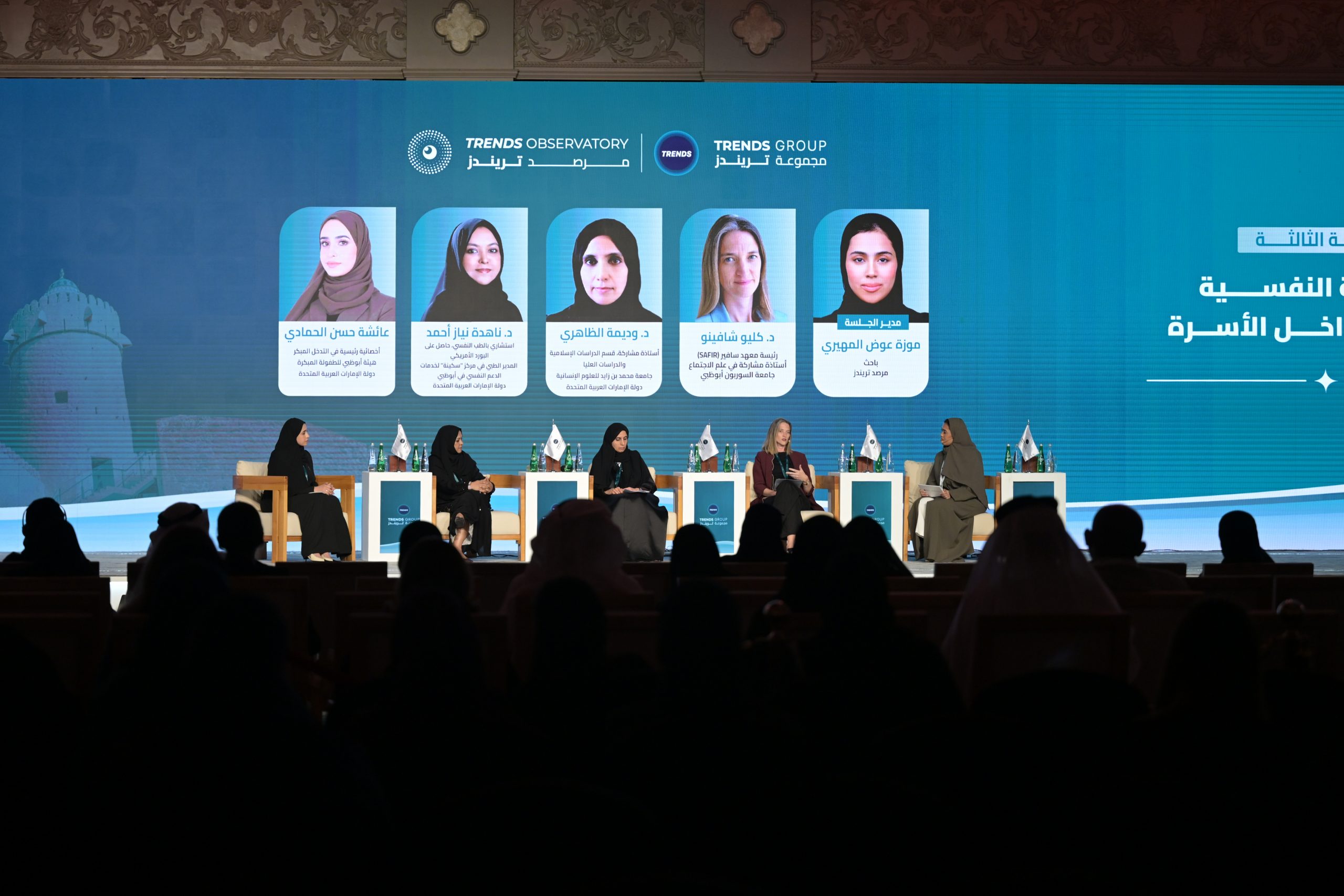
The second panel discussion, Mental Health and Family Cohesion, moderated by Mouza Al-Mheiri, a researcher at TRENDS Observatory, focused on the importance of mental health in strengthening family stability and cohesion, as well as the psychological and social challenges affecting the quality of relationships among family members.
The session also highlighted how social and digital transformations affect family communication and interaction, the role of dialogue and intergenerational understanding in strengthening family bonds, and the importance of prevention and early intervention in addressing psychological and family challenges. It examined the role of health and social institutions in developing psychological and family support services and raising mental health awareness to help build more cohesive families that can adapt to societal transformations.
Family Recovery Network
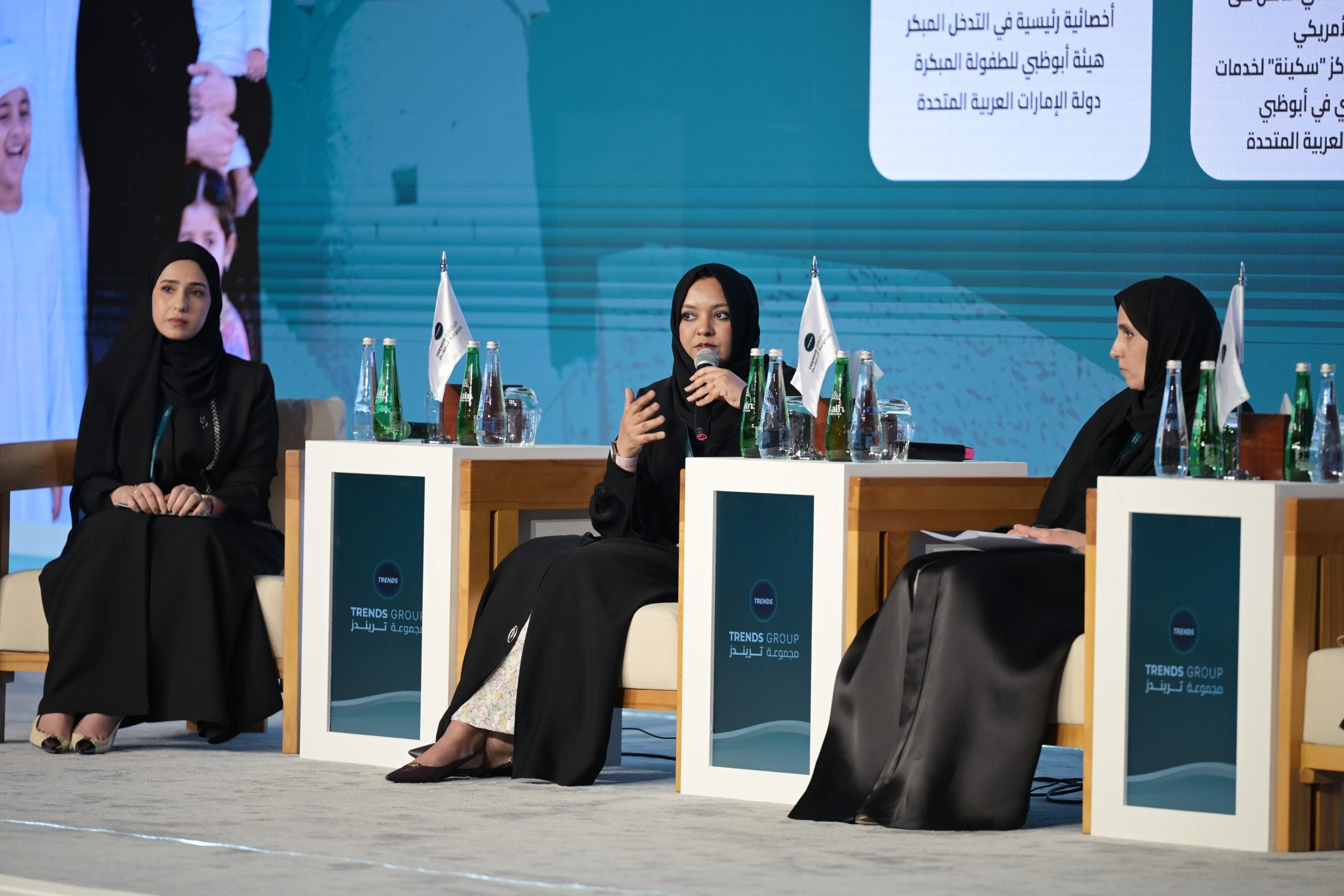
Dr. Nahida Nayaz Ahmed, Chief Medical Officer at Abu Dhabi Health Services Company (SEHA), stated that the World Health Organization estimates that mental disorders account for one in every six years lived with disability worldwide.
She explained that a systematic review of caregivers across 23 countries estimated that 31.7 percent experienced caregiver burden, with a pooled estimate of 35.9 percent among caregivers of people with psychosis. She clarified that these figures represent estimates of caregiver burden, not direct measures of burnout.
Dr. Ahmed recommended establishing the UAE Family Recovery and Lived Experience Network, in collaboration with SAKINA Health and inspired by the National Alliance on Mental Illness (NAMI) model of family and peer support.
The proposed network would serve individuals living with serious mental illnesses and the families caring for them through practical family education, caregiver support groups, peer-led recovery programs, and coordination between clinical care and community services. She added that this approach aligns with SAKINA’s core pillars of prevention, clinical excellence, rehabilitation, and integration.
The Family Dialogue
Dr. Wadima Al-Dhaheri, Associate Professor in the Department of Islamic Studies and Graduate Studies at Mohamed Bin Zayed University for Humanities, explained that the real challenge lies in balancing the preservation of cultural roots with the demands of modern development, as families aspire to raise a generation that is confident in its identity, open to the world, and capable of using technology wisely and responsibly.
She added that family dialogue plays a central role in supporting the mental health of children and young people as they navigate academic pressures and the social and media influences of social media platforms.
She noted that when families maintain open channels of communication with their children, young people become better able to express their concerns and share the challenges they face. Family dialogue extends beyond exchanging words or information; it builds trust and demonstrates care and concern.
Dr. Al-Dhaheri emphasized that families need to create more opportunities for direct communication and shared activities. Family gatherings, sharing meals, listening to grandparents’ stories, and setting aside quality time are simple yet effective ways to strengthen family relationships and intergenerational bonds. She also stressed that technology should serve to support and strengthen family relationships.
Protective Environment for Children
Dr. Clio Chaveneau, Head of the SAFIR Institute and Associate Professor of Sociology at Sorbonne University Abu Dhabi, discussed the family’s role in promoting mental health. She explained that family life can protect children and reduce the risk of suicide, although this protective effect depends more strongly on the presence of children and varies by gender.
She noted that research often treats the family as a background variable or risk factor rather than examining it as a network of relationships, obligations, and resources. Most studies are cross-sectional, surveying only one individual rather than multiple members of the same family, and frequently focus on a single gender.
Dr. Chaveneau observed that the diversity of family circumstances in the UAE, including migrant and multicultural families, remains understudied, while existing surveys are rarely used to their full potential.
Drawing on the “family life course” approach proposed by Umberson and Thomeer, she suggested addressing these gaps by combining national surveys, longitudinal research designs, and qualitative research at the family level. The aim is to understand better the circumstances in which families protect their members’ mental health and how families can be supported when facing difficulties.
Empowering People of Determination
Aysha Hassan Al-Hammadi, Lead Early Intervention Specialist at the Abu Dhabi Early Childhood Authority, stated that the success of policies and programs targeting children of determination should not be measured solely through numerical indicators, however important those figures may be.
The number of children screened, referred to specialized entities, or provided with support services represents only part of the picture. It does not necessarily reveal the actual impact of these interventions on the lives of children and their families.
She emphasized the need to move beyond measuring the volume of services delivered and instead evaluate their quality and actual outcomes.
Families of children of determination should not be left to shoulder the burden of connecting services and relevant entities or to address coordination gaps within the support system.
Instead, she argued, the real opportunity lies in building an integrated, interconnected system characterized by effective cross-sector coordination, placing families at the heart of planning, implementation, and evaluation, and equipping caregivers with the tools, knowledge, and support needed to fulfill their roles confidently and effectively.
Al-Hammadi explained that investing in caregiver empowerment and supporting the entire family not only improves children’s growth and development but also contributes to more cohesive families, healthier and more stable human relationships, and a more compassionate and inclusive society in which every child can develop and realize their potential in a supportive environment that safeguards their dignity and responds to their needs.
Family and Education
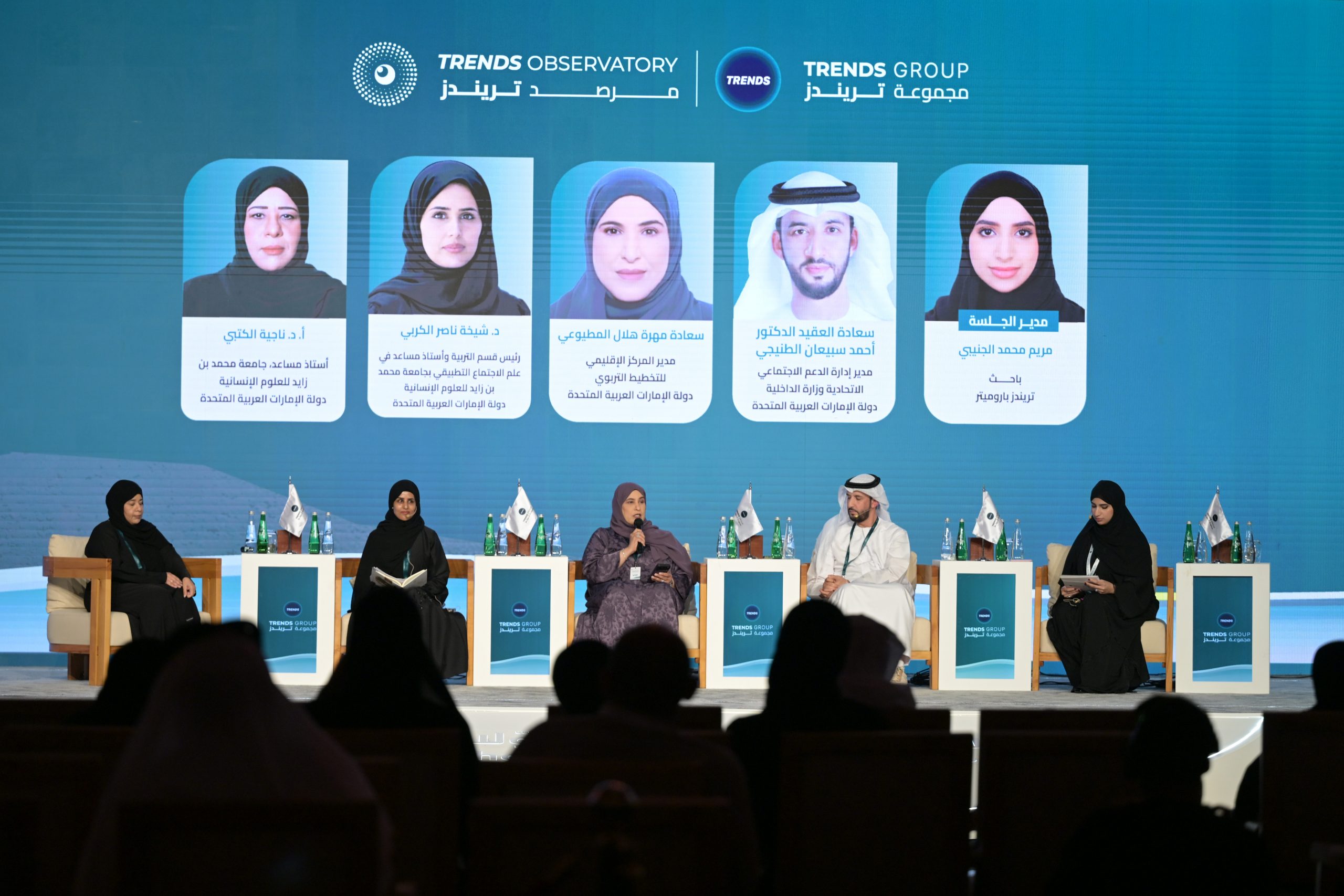
The third panel discussion, “Family and Education: Adapting to Social Transformation,” moderated by Mariam Al-Jneibi, Head of the Digital Monitoring and Analysis Sector at TRENDS Barometer, examined the role of families and educational institutions in raising and preparing future generations to adapt to rapid social and technological transformations.
The session emphasized the importance of cooperation between families and schools in shaping children’s character and strengthening values and national identity.
It reviewed the challenges families face in supporting their children’s education amid digital development and artificial intelligence, as well as the importance of strengthening communication and engagement between parents and educational institutions.
Participants also discussed the role of educational policies and initiatives in ensuring equal opportunities, strengthening family–school partnerships, and using research and data to develop an education system responsive to the needs of families and society.
Integrating Efforts and Responsibilities
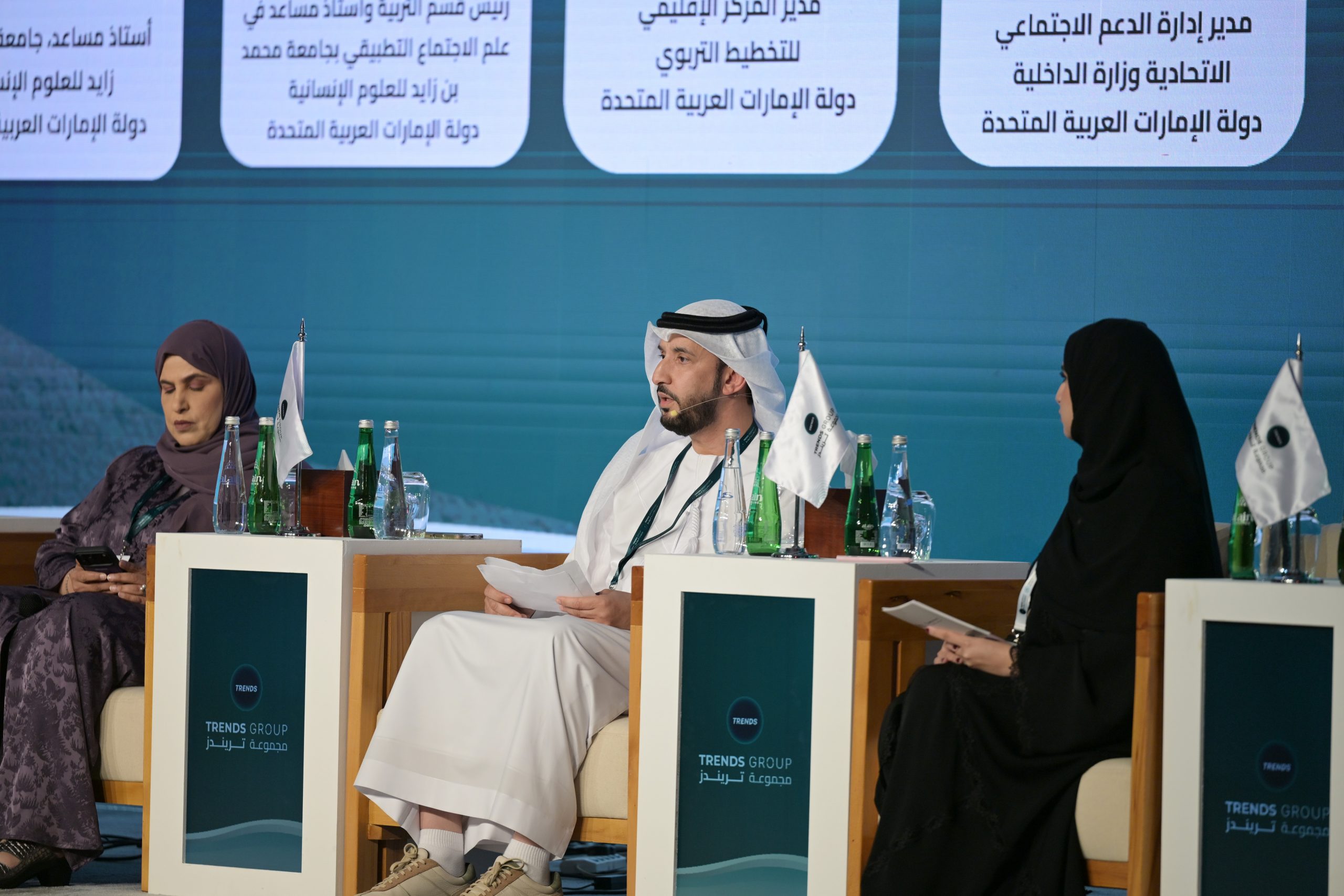
H.E. Colonel Dr. Ahmed Subaian Al-Teneiji, Director of the Federal Social Support Department at the Ministry of Interior, stated that the declaration of 2026 as the Year of the Family by H.H. Sheikh Mohamed bin Zayed Al Nahyan, President of the UAE, reflects the central role of the family in human development and social stability and reinforces the importance of integrating institutional roles and efforts to achieve shared national objectives.
He emphasized that education is a shared responsibility involving families, schools, communities, and government. Families instill values, teachers nurture students and impart knowledge, communities provide a supportive environment, and government creates the conditions needed for everyone to thrive.
He explained that although all these stakeholders share responsibility for education and upbringing, the family remains the first and foremost partner. Education begins in early childhood through dialogue and kind words, when character, values, self-confidence, and a love of knowledge first take shape.
Behind every outstanding student, he noted, is a patient and supportive family, a dedicated teacher, and coordinated efforts that have contributed to success. He added that raising aware and responsible generations is closely linked to strengthening community security. Accordingly, the Ministry of Interior’s focus on family and education is integral to its mission to protect individuals and society, based on three pillars: prevention, partnership, and inclusion.
Al-Teneiji emphasized that preserving the blessings of security and stability is everyone’s responsibility. Security personnel protect society, teachers develop minds, and parents raise children and instill values. When these roles complement one another, the UAE becomes better equipped to build a cohesive, compassionate, knowledgeable, and innovative society.
Developing Educational Policies
H.E. Mahra Hilal Al-Mutaiwi, Director of the Executive Center for Educational Planning, discussed how educational policies can strengthen family–school partnerships in the UAE. She proposed incorporating these partnerships into school development plans, with each school working alongside families towards a clearly defined educational objective, such as improving Arabic reading proficiency or regular school attendance, while specifying the responsibilities of teachers, families, and students.
Al-Mutaiwi discussed how to measure the impact of these partnerships by monitoring whether support reaches families, whether they can use it to assist their children, and the resulting improvements in students’ learning or attendance. She also reviewed lessons from Gulf and international experiences to develop a model suited to UAE schools, providing every family with clear information, practical guidance, and opportunities for dialogue, alongside additional support tailored to each student’s needs.
A Shared Responsibility
Dr. Shaikha Nasir Al-Karbi, Head of the Education Department and Assistant Professor of Applied Sociology at Mohamed Bin Zayed University for Humanities, explained that attending school activities is only the most visible form of parental engagement. At the same time, many important aspects take place at home, including monitoring children’s learning, listening to them, and discussing the challenges they face.
She noted that working hours, caregiving responsibilities, or difficulties using school platforms may limit some families’ ability to engage through available communication channels.
Expanding participation is therefore a shared responsibility, beginning with schools reviewing their communication schedules and methods and keeping families informed about their children’s progress. Dr. Al-Karbi concluded that successful partnerships should be measured by their ability to reach families with different circumstances and by the consistency of support children experience at home and at school.
Educational institutions can therefore listen to families who participate less frequently, use their feedback to review communication channels, and monitor how changes affect parental engagement. She emphasized that equal opportunities in education mean ensuring every student receives the support they need, regardless of their family’s ability to attend school.
Instilling National Values
Dr. Najia Al-Ketbi, Assistant Professor at Mohamed Bin Zayed University for Humanities, discussed the role of families and educational institutions in instilling values and national identity.
She explained that the family is the first environment in which children develop an awareness of themselves and their country, acquiring language, values, and a sense of belonging through everyday practices.
Amid digital transformations, the family’s responsibility extends to developing awareness and decision-making skills through continuous dialogue. Role models, storytelling, and visits to heritage sites remain important ways of connecting younger generations with their national heritage and collective memory.
Dr. Al-Ketbi said that upbringing requires a family–school partnership based on clear objectives and consistent practices, with communication extending beyond academic grades to include character and behavior. She emphasized the importance of involving parents in initiatives and agreeing on approaches to addressing bullying and excessive use of electronic devices.
Educational institutions should also connect knowledge to students’ everyday lives and use technology and artificial intelligence to develop digital stories about history and heritage, while fostering critical thinking and digital awareness in an environment of fairness and respect. She concluded that cooperation between families and schools helps raise a generation that is confident, proud of its country, and open to knowledge.