
The dialogue examined the evolving regional political landscape and explored security and stability scenarios.
As part of its Strategic Dialogue series, TRENDS Global hosted Maj. Gen. (Ret.) Dr. Mizher Al-Tarfa Al-Obaidi, a strategic expert on security and Iranian affairs, for a discussion titled Middle East Security after the U.S.–Iran War: Between the Challenges of the Past and the Opportunities of the Future. The dialogue examined the evolving security and political landscape in the region and explored possible scenarios for regional security and stability in the period ahead.
Moderated by Alia Darwish Al Nuaimi, Senior Researcher at TRENDS, the discussion focused on four main themes, during which Dr. Al-Obaidi analyzed the most significant consequences of the US–Iran war and its implications for regional and international security.
Dr. Al-Obaidi argued that Tehran has sought to redirect international attention toward the Strait of Hormuz and other strategic maritime routes to establish a new deterrence equation based on the threat to global energy security, thereby easing direct pressure on Iran and its vital interests.
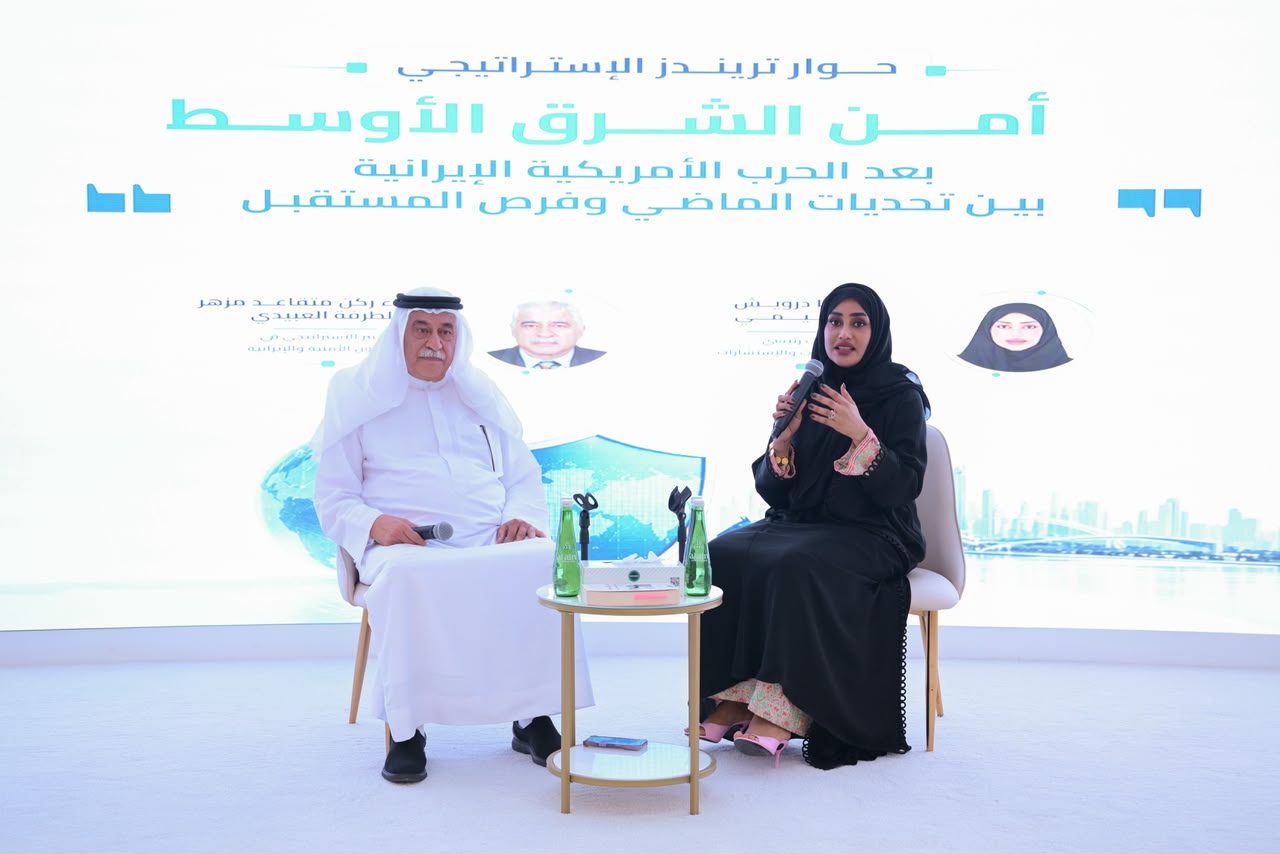
He also noted that recent developments have weakened the influence of Iran’s regional allies, citing the negotiations between Lebanon and Israel and the accompanying efforts to reshape the regional security landscape. He further pointed to shifts in Iraq’s political discourse, which reflect growing calls for restricting the possession of arms to the state and reinforcing the concept of the nation-state.
The dialogue also examined the rivalry between Iran’s conservative and moderate political currents. Dr. Al-Obaidi explained that while the two camps differ over approaches to managing economic, diplomatic, and security affairs, they remain united in their commitment to preserving the stability of the Iranian political system.
He further suggested that Iran is likely to continue escalating pressure on strategic maritime corridors, with the possibility of expanding its geopolitical leverage across the region, underscoring the importance of preparing for a range of future scenarios.
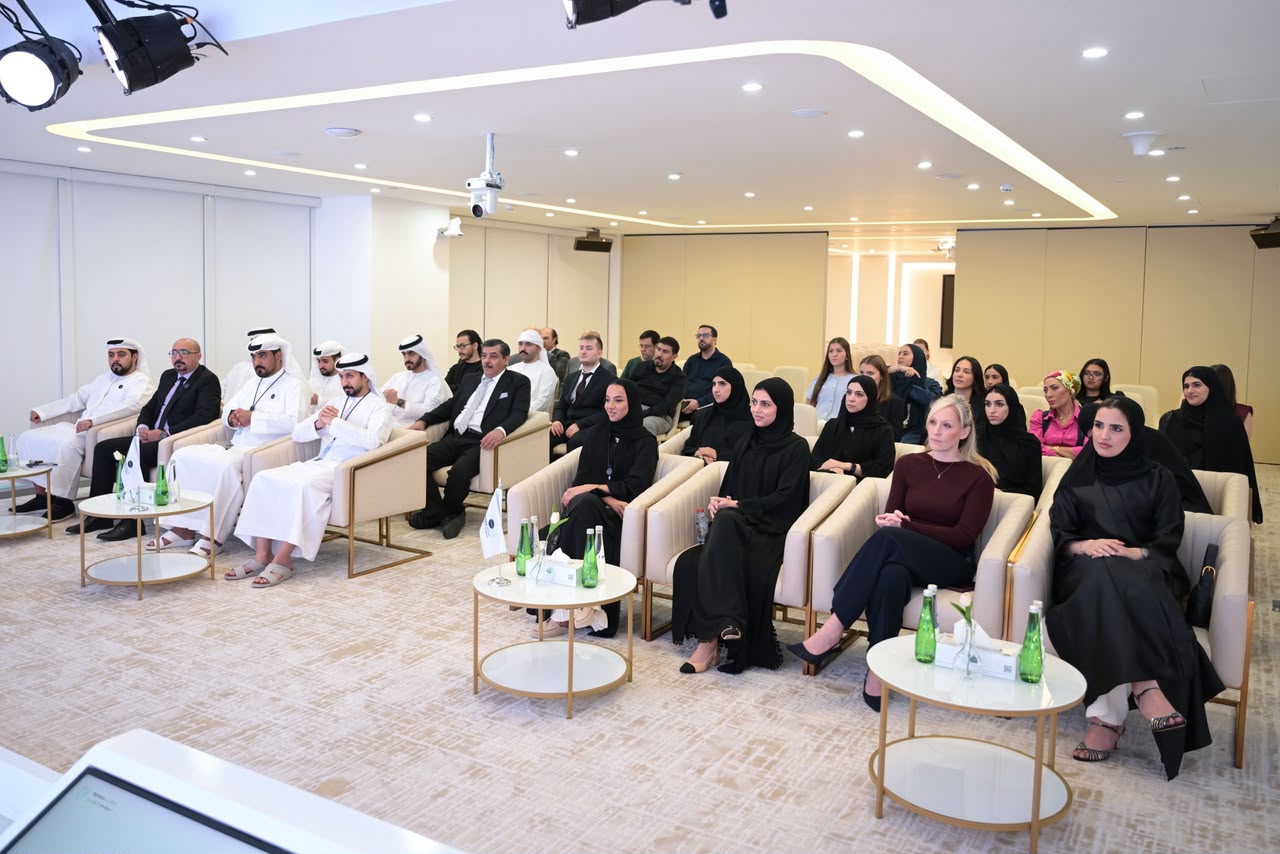
The dialogue concluded with several key recommendations, including strengthening air defense capabilities, advancing the localization of defense industries, particularly missile and counter-drone technologies, enhancing security and military coordination among the GCC states, and expanding regional and international partnerships to safeguard strategic waterways and preserve regional and international security and stability.

