
DIALOGIA Conference Highlights the Importance of Responsible AI Use in Advancing Interfaith Dialogue
Over three consecutive days of academic discussions and practical workshops, the University of Montreal in Canada hosted the international scientific conference DIALOGIA Montreal, organized by TRENDS Global, part of TRENDS Group, through its virtual offices in Canada and France, in cooperation with the University Platform for the Study of Islam (PLURIEL), the University of Montreal, and the University of Quebec in Montreal (UQAM).
The conference brought together 32 academics and researchers representing 24 academic and research institutions from 11 countries to explore the future of interfaith dialogue in the age of artificial intelligence (AI) and examine ways to leverage emerging technologies to support understanding and dialogue among people of different faiths, while taking ethical and human considerations into account.
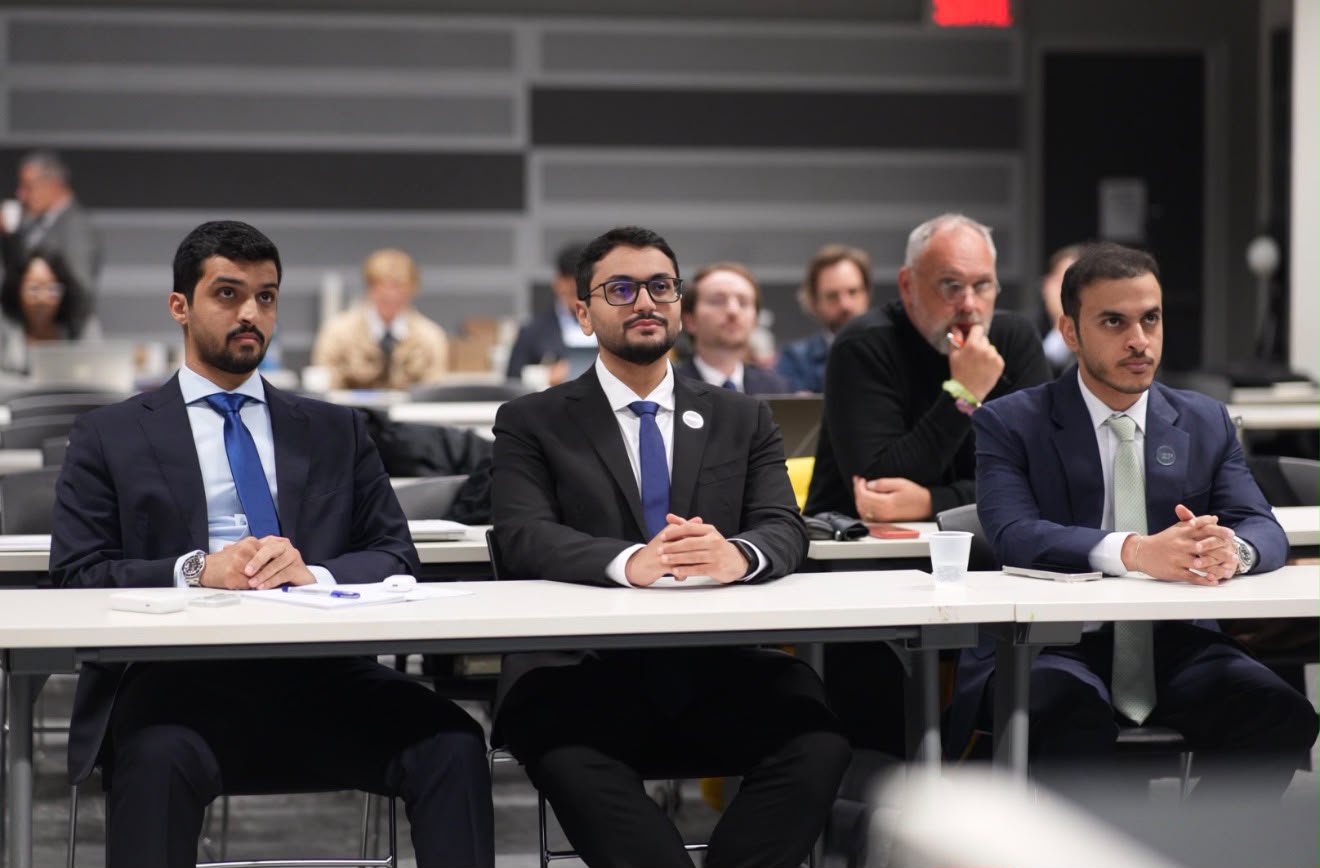
The conference offered a comprehensive examination of how AI technologies are transforming religious discourse and intercultural dialogue. The proceedings opened with a keynote address by Prof. Gilles Bibeau of the University of Montreal, titled Natural Intelligence and Artificial Intelligence: Consciousness, Autonomy and Moral Agency Put to the Test through Interfaith Dialogue.
The academic sessions addressed three main themes, the first of which focused on reshaping religious knowledge and discourse. Chaired by Patrice Brodeur, the session examined AI’s impact on religious studies, authority, and preaching. Participants included Michel Younès of the Catholic University of Lyon and PLURIEL, Jean Druel of the Dominican Institute in Cairo, Jaume Flaquer Garcia of Loyola University, Raphaël Georges, and Adrien de Fouchier of the Vatican Apostolic Library, in addition to Dr. Wael Saleh, Director of TRENDS’ virtual offices in France and Canada, who presented an ethical and ontological approach to pluralism in contemporary Islam.
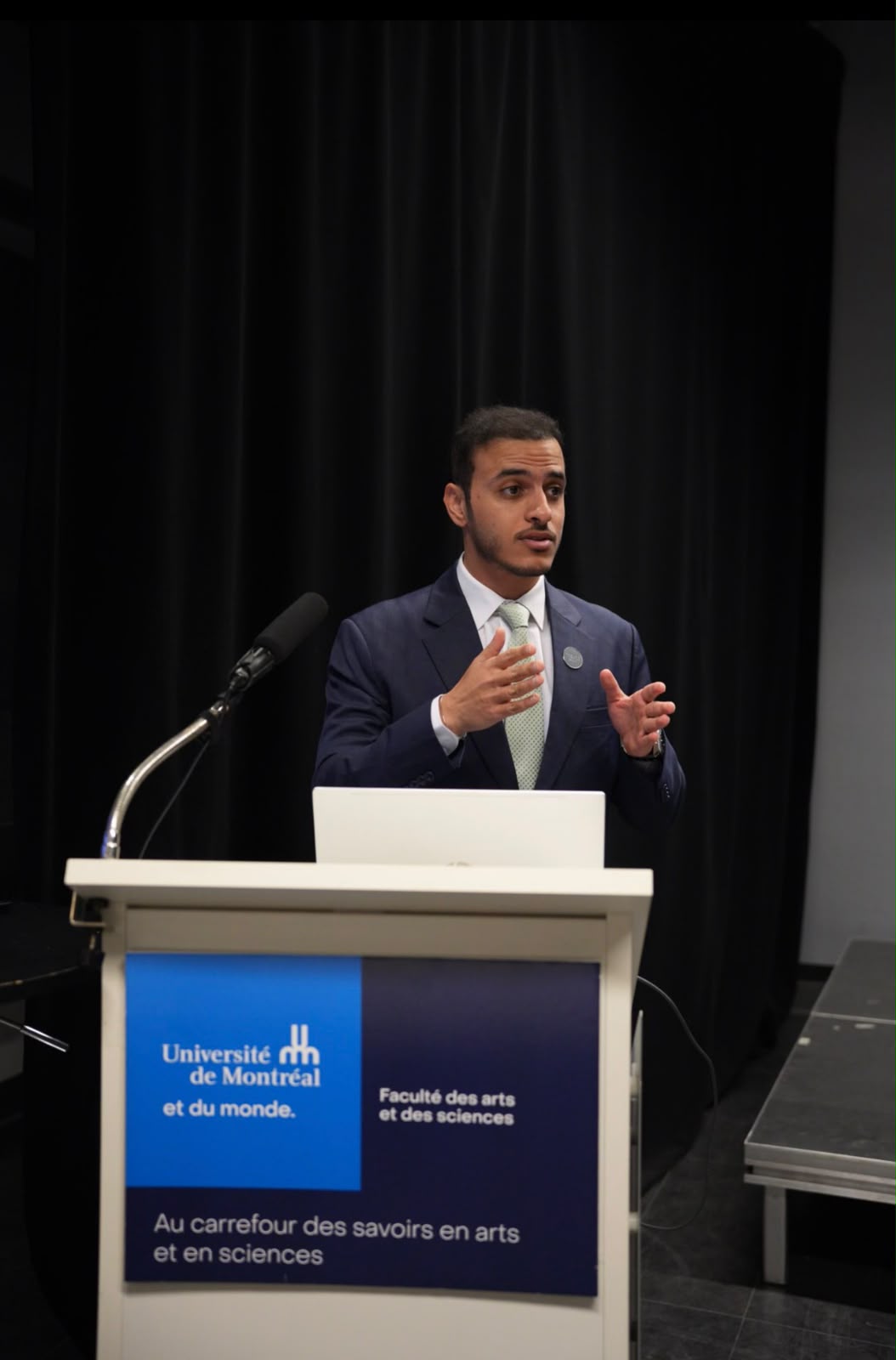
The second theme focused on AI as a mediator of dialogue, examining the possibility of technology becoming a third party in dialogue among people of different faiths. During the session, chaired by Michel Younès, Issa Ali Al Manaei, a researcher at TRENDS Research & Advisory, presented a paper titled Reliability, Responsibility and Limitations in Interfaith Dialogue. The session also featured Rajaa Sakrani of the University of Bonn, Patrice Brodeur, Anne de Luca of Panthéon-Assas University, Anthony J. Albani of Saint Joseph University, and Shadi Al-Qahwaji of the American University of Beirut.
The third theme addressed countering digital polarization and extremism, with the session, chaired by Emmanuel Pisani, focusing on terrorist groups’ use of AI and the challenges it creates. Hamad Abdullah Al Hosani, Lead Researcher and Head of the Terrorism and Extremism Studies Sector at TRENDS, presented a specialized paper on digital polarization. Heather Miller-Rubens of the Institute for Christian-Jewish Studies (ICJS) in Baltimore presented the ICJS Interfaith Benchmark 1.0. Karim Kirdadi of the University of Montreal discussed approaches to preventing digital extremism among young people.
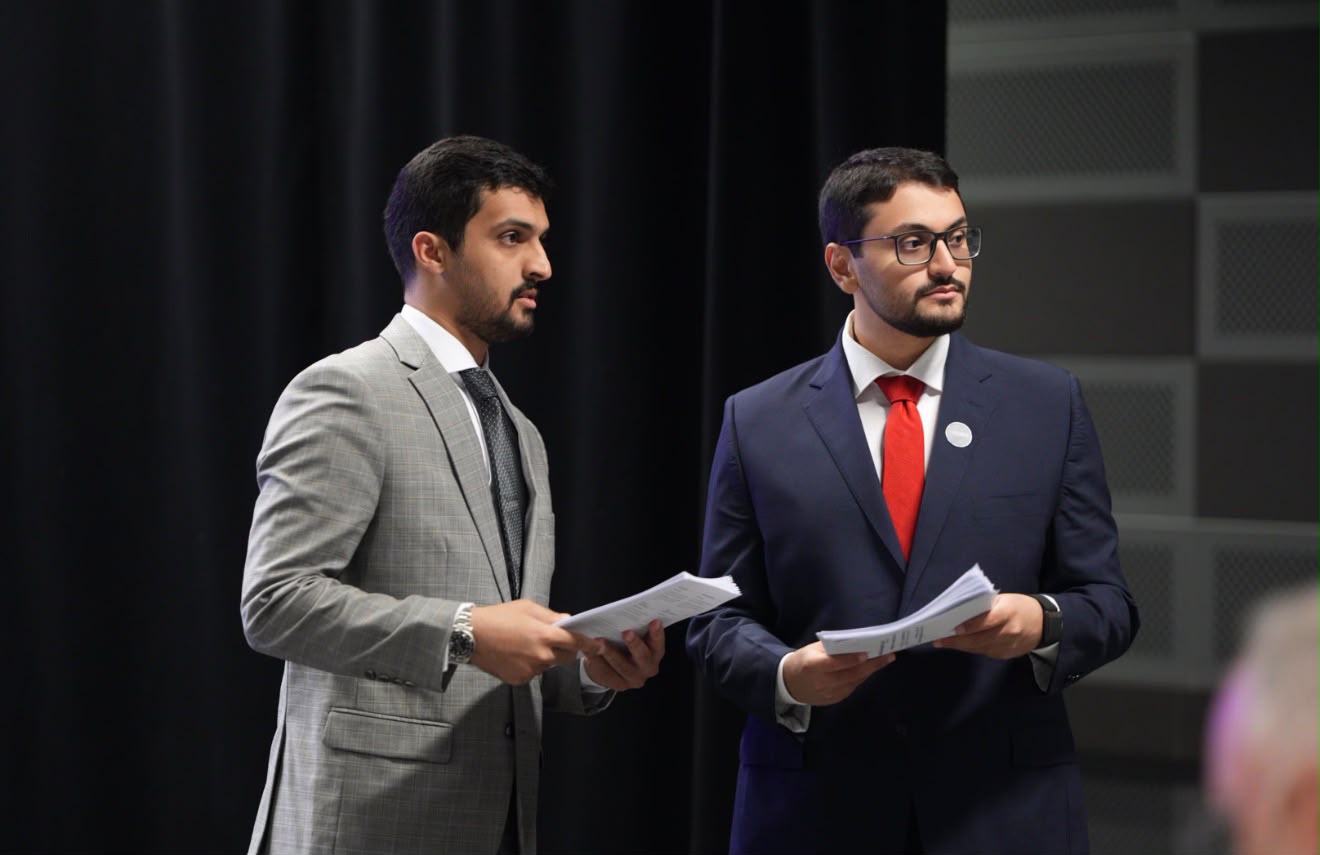
The conference then moved from theory to practice with a specialized session on AI governance and ethical responsibility, moderated by Dr. Wael Saleh. The session brought together several experts, including Violaine Lemay, Liz Langlois, Sam Salman, Emmanuel Pisani, Antonio Angeloucci, Karsten Lehmann, Hazar Haidar, and Dr. Ziad Saleh.
The conference also featured three practical workshops, led by Dr. Ziad Saleh, Dr. Wael Saleh, researcher Issa Al Manaei, and TRENDS researcher Sultan Al Hosani. The workshops focused on practical testing of the DIALOGIA platform and assessing its potential to support interfaith dialogue.
The first workshop lasted four hours and included a human and experimental assessment of nine texts and videos, aimed at distinguishing discourse that promotes coexistence from discourse that incites hatred and extremism. The second workshop focused on assessing dialogue quality and managing theological disagreements, through a comparative study involving five video excerpts.
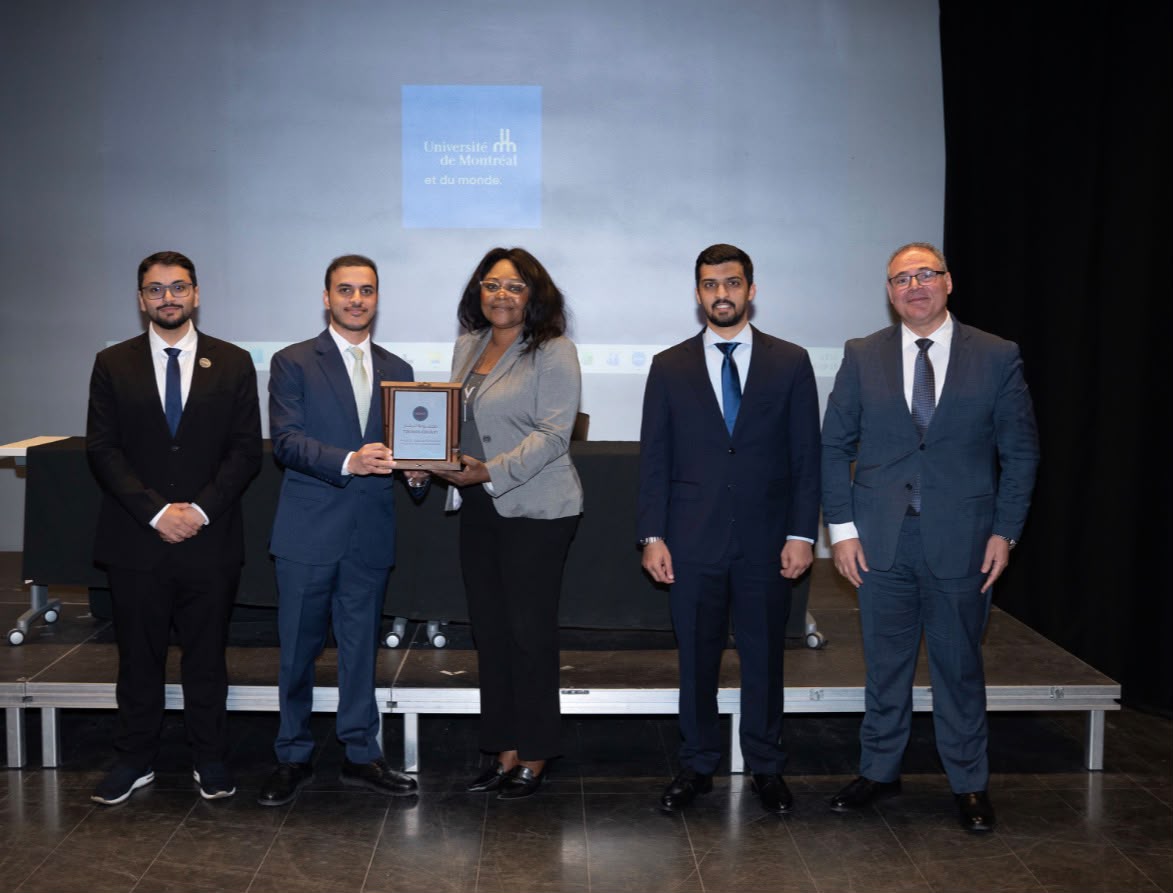
The third workshop examined human-AI interaction, assessing interface transparency, source traceability, and result reliability, to help develop more transparent and responsible technological tools for interfaith dialogue.
On its third day, the conference concluded with a session dedicated to developing a future roadmap, during which several strategic outcomes were announced. Foremost among them was the official launch of the Working Group on Interfaith Dialogue Assisted by Artificial Intelligence under the University Platform for the Study of Islam (PLURIEL).
Alongside TRENDS, the working group includes several academic and research institutions, including Saint Joseph University in Beirut, the University of Insubria and the REDESM Network, the Dominican Institute in Cairo, the University of Montreal, the University of Quebec in Montreal, the Catholic University of Lyon, and Loyola University in Spain.
The conference also announced that it will publish its research papers and full proceedings at the beginning of the 2027 academic year, giving researchers, policymakers, and other interested parties access to the findings and studies presented during the conference.
DIALOGIA Montreal’s final recommendations underscored the importance of adopting a scientific and ethical approach that places the human being at the heart of interpretation, mediation, and decision-making. This approach aims to ensure responsible AI use, safeguard religious pluralism, respect differences, and strengthen opportunities for dialogue and mutual understanding in the digital age.

