
This year’s forum addressed the group’s structural and digital transformations across the European continent.
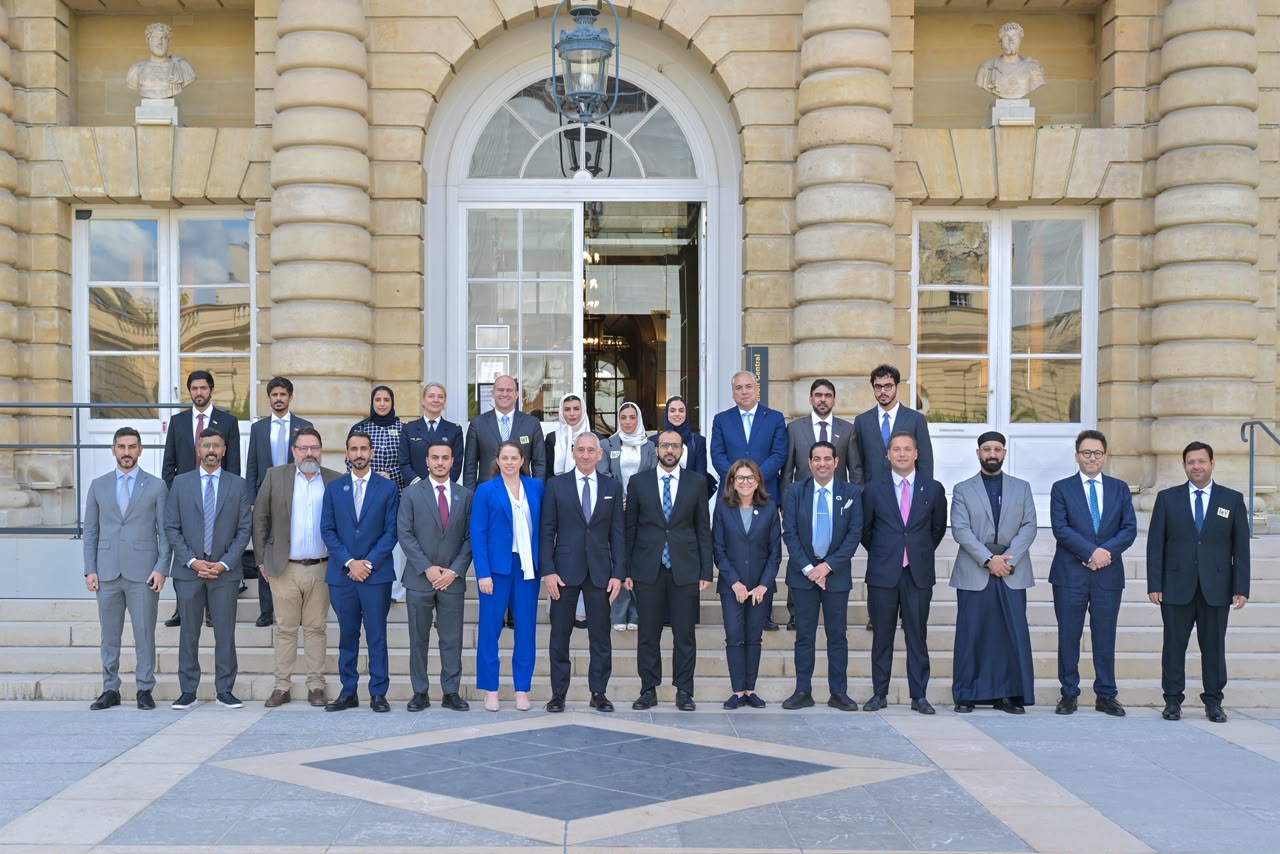
TRENDS Research & Advisory, in partnership with TRENDS Global, concluded the second and final leg of the Sixth Annual TRENDS Forum on Political Islam, held in the Second Chamber at the Luxembourg Palace, the headquarters of the French Senate in Paris, following the first part of the forum at the House of Lords in the British capital, London.
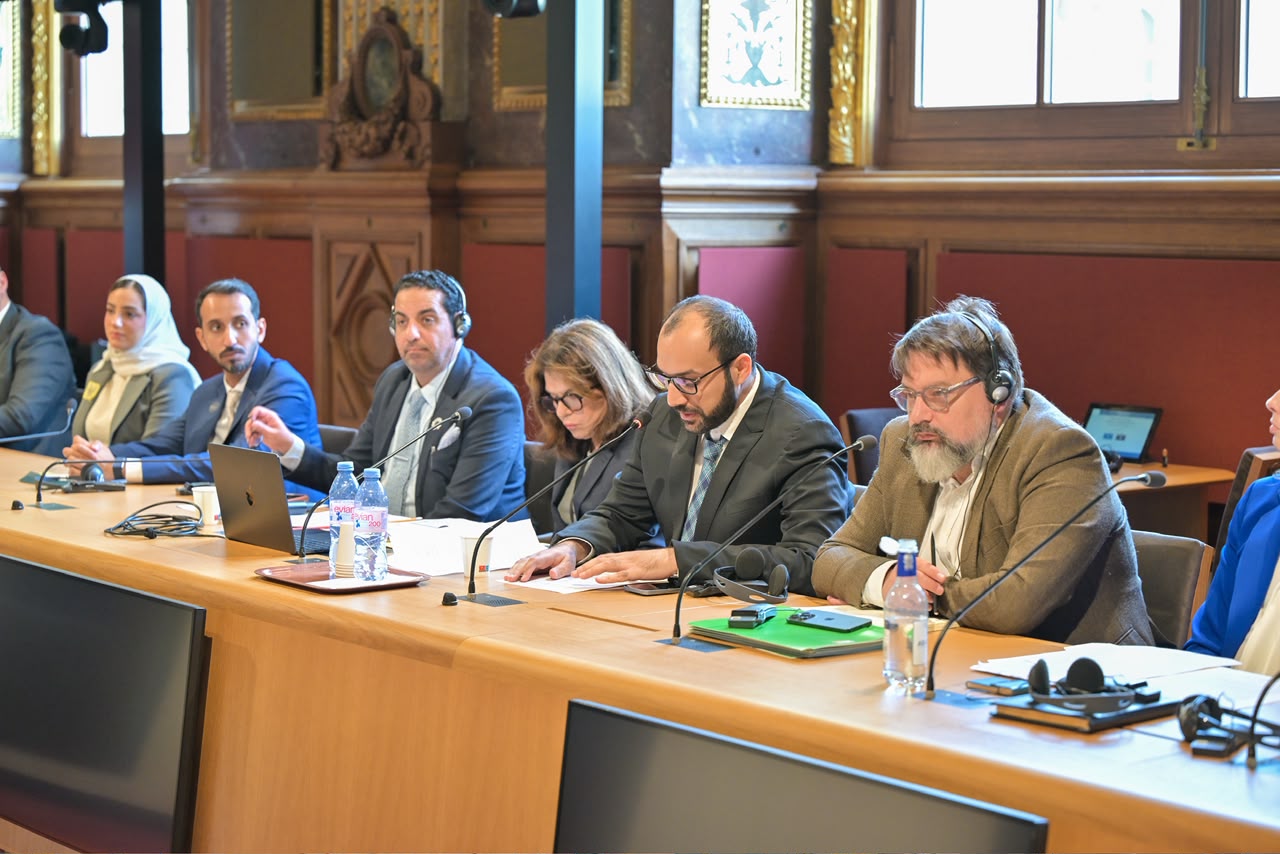
This year’s forum was titled A Unified European Response to Counter the Threat of the Muslim Brotherhood, addressing the group’s structural and digital transformations across the European continent, as well as mechanisms to address legal and security gaps and develop a common international response.
From London to Paris: From Intellectual Deconstruction to Institutional Impact
The forum’s sessions in Paris brought together senators, diplomats, experts, researchers, and academics from Europe and TRENDS. Participants emphasized that the transition between the two capitals reflected a shift from understanding and deconstructing the ideological and organizational structure of extremism in London to developing unified mechanisms for action, security, and legislative responses in Paris.
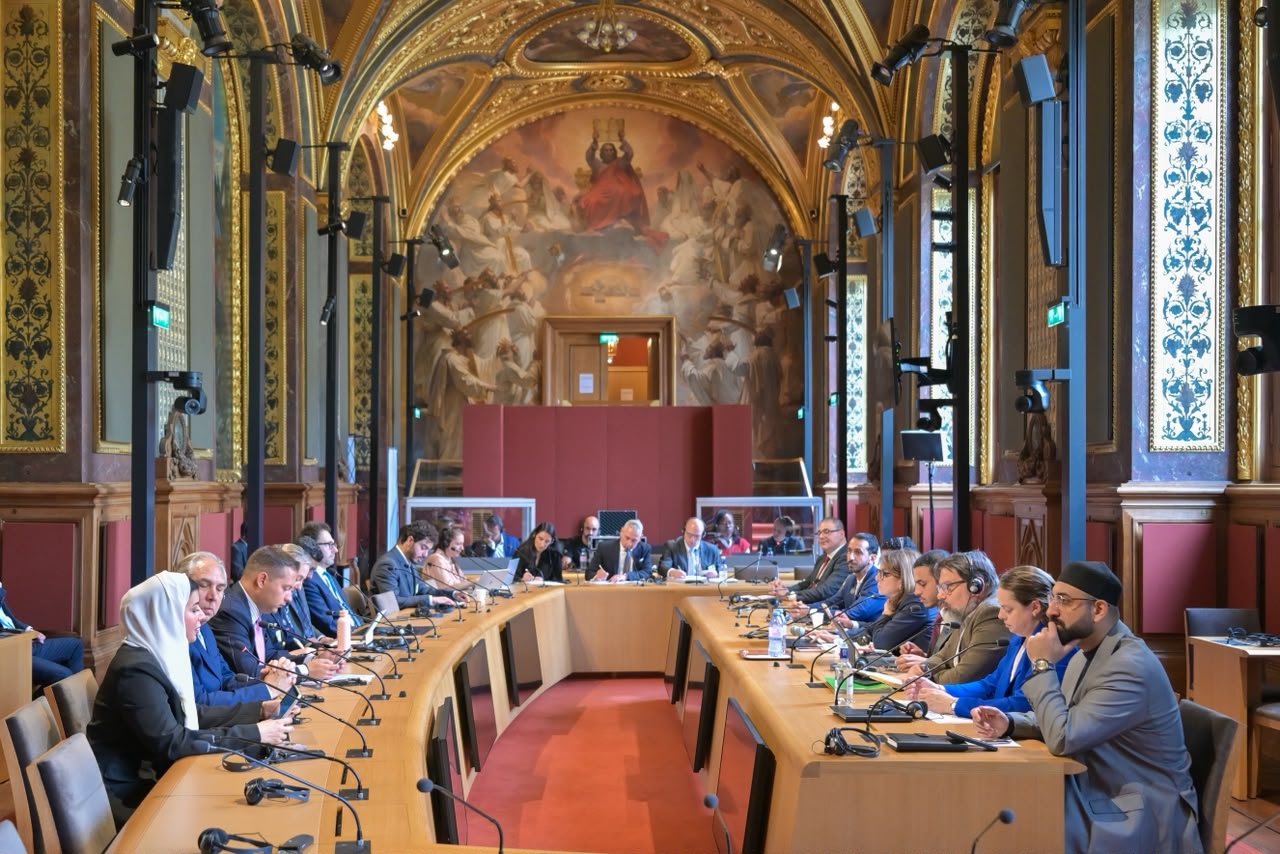
In her welcoming remarks, session chair Senator Nathalie Goulet, a member of the French Senate representing the Orne department, noted that some European political parties obstruct security and executive effectiveness by exploiting “political Islam,” stressing that Europe sometimes funds its enemies under the banner of “diversity,” which requires expanding the scope of international cooperation to confront these risks. She also stressed the need to reconsider the European budget for research grants and cut funding for projects exploited to serve ideological agendas.
Unifying Efforts
In the forum’s keynote address, H.E. Dr. Khalifa Mubarak Al Dhaheri, Director of Mohammed Bin Zayed University for Humanities, warned of the intellectual and political risks posed by the Muslim Brotherhood and political Islam currents to societies’ security and the stability of the nation-state.
Al Dhaheri affirmed that the group had worked to “hijack religion” and reduce it to a narrow partisan ideology, and to employ religious concepts to advance political empowerment agendas that undermine the values of citizenship and national belonging. He explained that the ideologies of political Islam, in both Sunni and Shiite forms, stem from a single intellectual reference and share the same ideological source, which helps explain the historical intersections and alliances between the organization and Iran dating back to its early beginnings.
The Director of Mohammed Bin Zayed University for Humanities issued an explicit call to European capitals to unify efforts and classify the group, urging Europe to follow the United States’ strict steps and policies in designating the group and confronting the threat of “Islamism,” and warning against the hesitation seen in some Western countries, at a time when the UAE and the Arab world bear full responsibility for confronting this organization and banning its cross-border activities.
Institutional Memory
Fahd Al Mahri, Senior Researcher at TRENDS and Director of TRENDS Barometer, delivered a keynote opening address on behalf of Dr. Mohammed Abdullah Al Ali, Chairman of TRENDS Group, explaining that the transition from London to Paris represents a shift in the level of the question — from understanding what precedes violence and how the intellectual structure is formed, to how this understanding can be transformed into a shared capacity for action and support for policymakers.
He stressed that the problem today is no longer a lack of knowledge, but its fragmentation; cross-border actors operate according to a network logic, while national institutions respond according to a sectoral logic. He emphasized that TRENDS seeks to build institutional memory and a shared Arab-European space for producing cumulative knowledge that turns analysis into policy and information into an early-warning system. He added that the time has come for Europe to move and follow the United States in criminalizing the Muslim Brotherhood and designating it a terrorist organization, and even to aspire to a more progressive position, given that the harm in Europe has become more apparent.
First Session: Strengthening European Coordination — Institutional and Strategic Arrangements
The session was chaired by André Reichardt, former Deputy Chairman of the Committee on European Affairs of the Senate, who warned of the group’s long-term penetration through civil networks and stressed the need to distinguish between law-abiding Muslims as a natural component of society and the use of religion as an ideology and source of power. Reichardt called for confronting the group’s expansion in France and Italy through legislative measures, such as banning suspicious associations, recalling the UAE model of tolerance and calling for trilateral coordination among Abu Dhabi, Paris, and Rome.
The session included contributions from Sir John Jenkins (former British diplomat) and Adviser at the Center for Geopolitics, University of Cambridge, who stressed that consolidating European knowledge should precede security coordination, citing lessons learned from the 2015 Paris attacks. He focused on the sociological evolution of jihadism and the digital challenge, where ideas transcend organizations through algorithms, and proposed creating a unified research infrastructure based on “smart monitoring.”
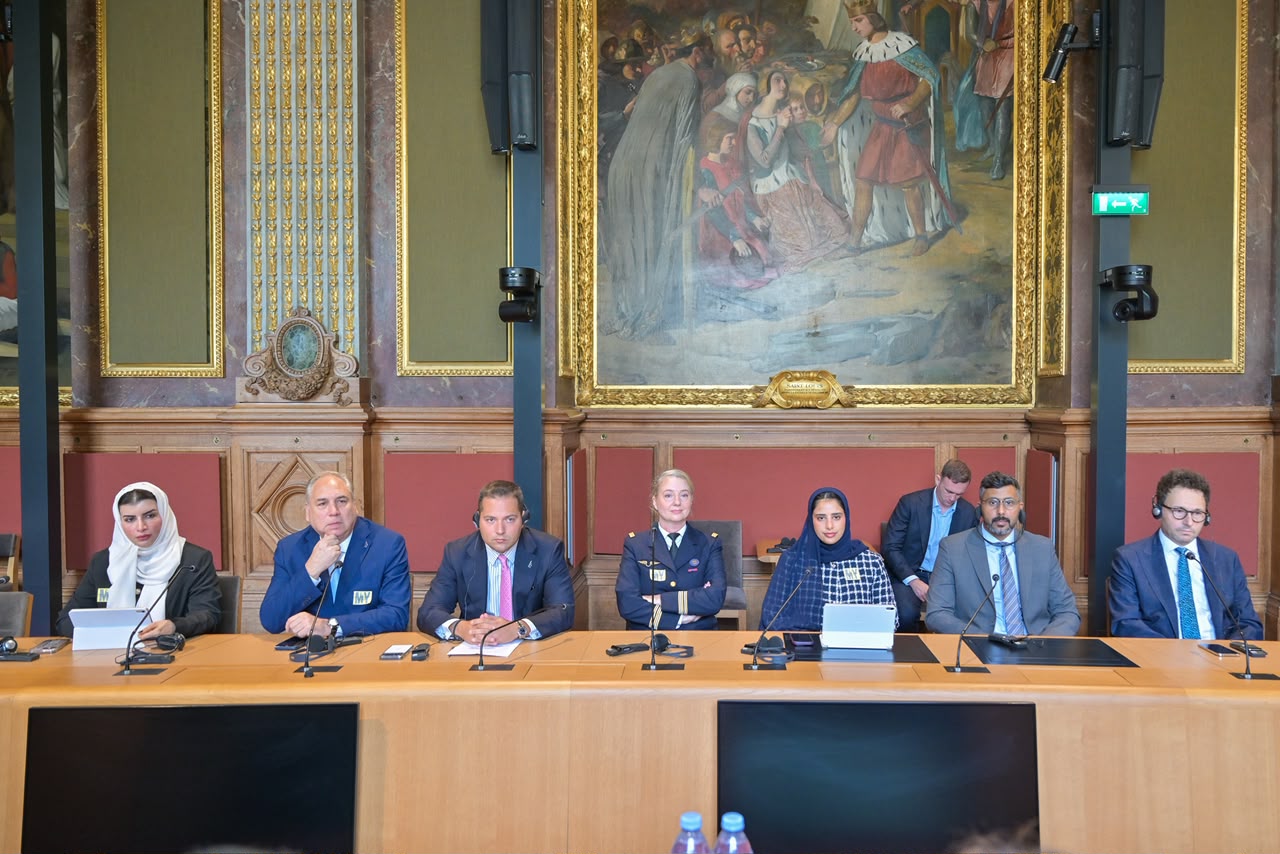
Dr. Yamine Sétoul, Associate Professor and member of the Defense and Security Research Team at the Conservatoire National des Arts et Métiers in Paris, highlighted the RAN network’s experience in countering extremism, noting the difficulty of statistically assessing the Muslim Brotherhood’s influence in France. He attributed the appeal of extremism to the weakness of traditional political offerings for young people, calling for a research infrastructure focused on standardizing concepts, exchanging data, and tracking the digital space through long-term comparative studies.
Writer David Abraham stressed that addressing digital extremism does not stop at removing content, but requires preventive school education, presenting the UAE model in translating tolerance into educational reforms, while emphasizing the importance of equipping students with critical thinking skills and preserving national identity.
Imam Mohammed Tawhidi, Adviser on Countering Extremism and Terrorism at TRENDS Research & Advisory and a member of the Higher Committee of the Global Islamic Council of Religious Scholars, explained that the Muslim Brotherhood is a “political organization,” not a religious sect, and therefore criticizing it is not Islamophobia. He criticized Western disregard for its ideological roots and the division between its political and military wings.
Badriya Al Riyami and Hamad Al Hosani (Senior Researchers at TRENDS) addressed the group’s influence through cross-border associations and its use of modern recruitment tools such as artificial intelligence and video games, calling for greater financial transparency and knowledge-measurement tools such as the Muslim Brotherhood Influence Index.
Second Session: The Digital Islamist Landscape — Governance and Preventive Measures
Dr. Wael Saleh, Senior Researcher and Director of the TRENDS Office in France and Canada, moderated the session and warned of the “paradox of contemporary Islamism,” likening it to the two-faced Roman god “Janus”: dreaming of the past while moving toward the future through technology. Saleh cited a Cambridge study from July 2026 on Boko Haram’s use of artificial intelligence in planning, logistics, and weaponry, calling for the future to be led with modern tools.
This was followed by a presentation by the participants, including Markus Schief, CEO of IMPACT-se, who revealed an educational model implemented by the “Gaza Children Village” organization to dismantle extremism among 21,000 students across 14 academies, inspired by the UAE’s moral education curriculum and the “Seeds of Hope” series and philosophy for children to train 229 teachers, affirming the possibility of localizing this model to train teachers within Muslim communities in Europe.
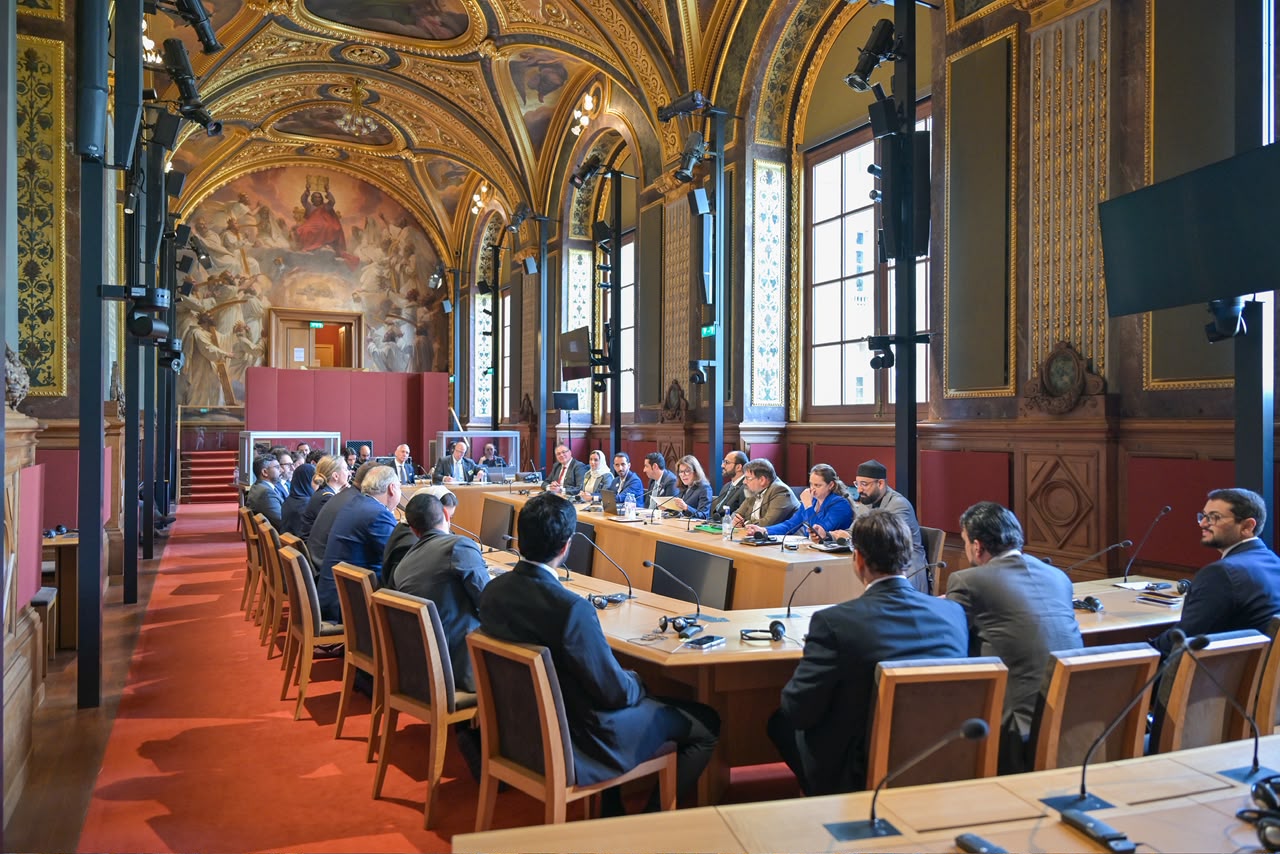
Olivier Vial, Director of CERU, indicated that he had tracked the stages of the Muslim Brotherhood’s strategy in France over three decades: from the re-Islamization of identity, to the stage of “enlightenment/awakening Islamism” (Islamo-wokisme) through platforms such as AJ+, intersecting with Western Woke currents, and finally to the dilution of its discourse in mainstream media since 2023. He pointed to 32% of Muslim youth in France aged 18–24 feeling close to the Muslim Brotherhood, along with penetration into prominent academic environments.
Shamsa Al Qubaisi (Researcher at TRENDS) affirmed that the group, with its cross-border structure, poses an overarching threat to the “modern nation-state” and the concept of citizenship, and explained TRENDS’s role in exposing these networks’ parallel behavior.
Dr. Jason Olson (formerly an Operations Officer at the U.S. Department of War) also explained that the confrontation is intellectual and enlightenment-based, not merely a security matter, targeting digital space and cyber platforms as a decisive arena against extremist groups to protect young people and develop their critical-thinking skills.
Third Session: Countering Terrorist Financing — Global Approaches and Best Practices
Senator Nathalie Goulet chaired the session and called for reconsidering the European budget and cutting funding for Islamic research projects. She disclosed specific grant figures, including €2.049 million for a project on Sufism, €2.5 million for mapping Islamic law, €2 million for a project on Jewish literature in the Islamic world, and a project on the history of Christians in Andalusia. She described the allocated budgets as “utter chaos” and called on international parliaments to act.
International speakers enriched the session. Emily Nelson Winkler (Founder and President of VALOP Group) revealed intersections between Muslim Brotherhood networks and organized crime, affirming their involvement in major criminal activities such as illegal rhinoceros poaching, drug trafficking, fraud, and money laundering, and calling for the application of a “comprehensive rule-of-law approach” to pursue complex financial networks.
Alessandro Bertoldi (Executive Director of the Milton Friedman Institute) warned of the Muslim Brotherhood’s expansion in Italy as a new arena for expansion, and reviewed French legislative decisions aimed at protecting republican principles. The session also revealed the risks of illegal migration, which generates €7 billion annually and benefits terrorist organizations, citing the dismantling of a smuggling network in Poland that transferred more than €10 million to Hezbollah and used cryptocurrencies to finance the Muslim Brotherhood.
In addition, researcher Khamis Al Hosani reviewed the historical roots of the Muslim Brotherhood’s emergence in Egypt in 1928 and how it laid the ideological groundwork for extremism. He praised the French position in naming “political Islam” and classifying it as a terrorist organization since 2014. He emphasized the close alliance between France and the UAE in protecting shared civilizational values through scientific communication in French.
Recommendations and Conclusion
At the conclusion of its work at the Luxembourg Palace, the forum issued a roadmap and strategic recommendations emphasizing the need to establish a unified conceptual and security framework by harmonizing continental legislation on monitoring foreign funding for associations and cultural institutions, and establishing an early-warning and digital monitoring system for the smart monitoring of narratives of polarization and recruitment through the digital space, artificial intelligence, and video games before they turn into threats on the ground.
The forum also called for a comprehensive approach to drying up funding and pursuing the group’s economic activities through the broad lens of the rule of law and organized crime, and adopting education as a preventive security pillar by integrating critical thinking, digital literacy, and the values of citizenship into school curricula to protect younger generations.

