
With the intent of launching a specialized index to monitor and analyze humanitarian developments and needs
TRENDS Barometer, part of TRENDS Group, has signed a Memorandum of Understanding (MoU) with the International Committee of the Red Cross (ICRC) to collaborate on conducting a series of public opinion surveys, specialized field surveys, and analytical studies. The two parties also intend to launch what will be the first index of its kind in the region, serving as an approved scientific tool dedicated to the sustainable monitoring and analysis of humanitarian developments and essential humanitarian needs.
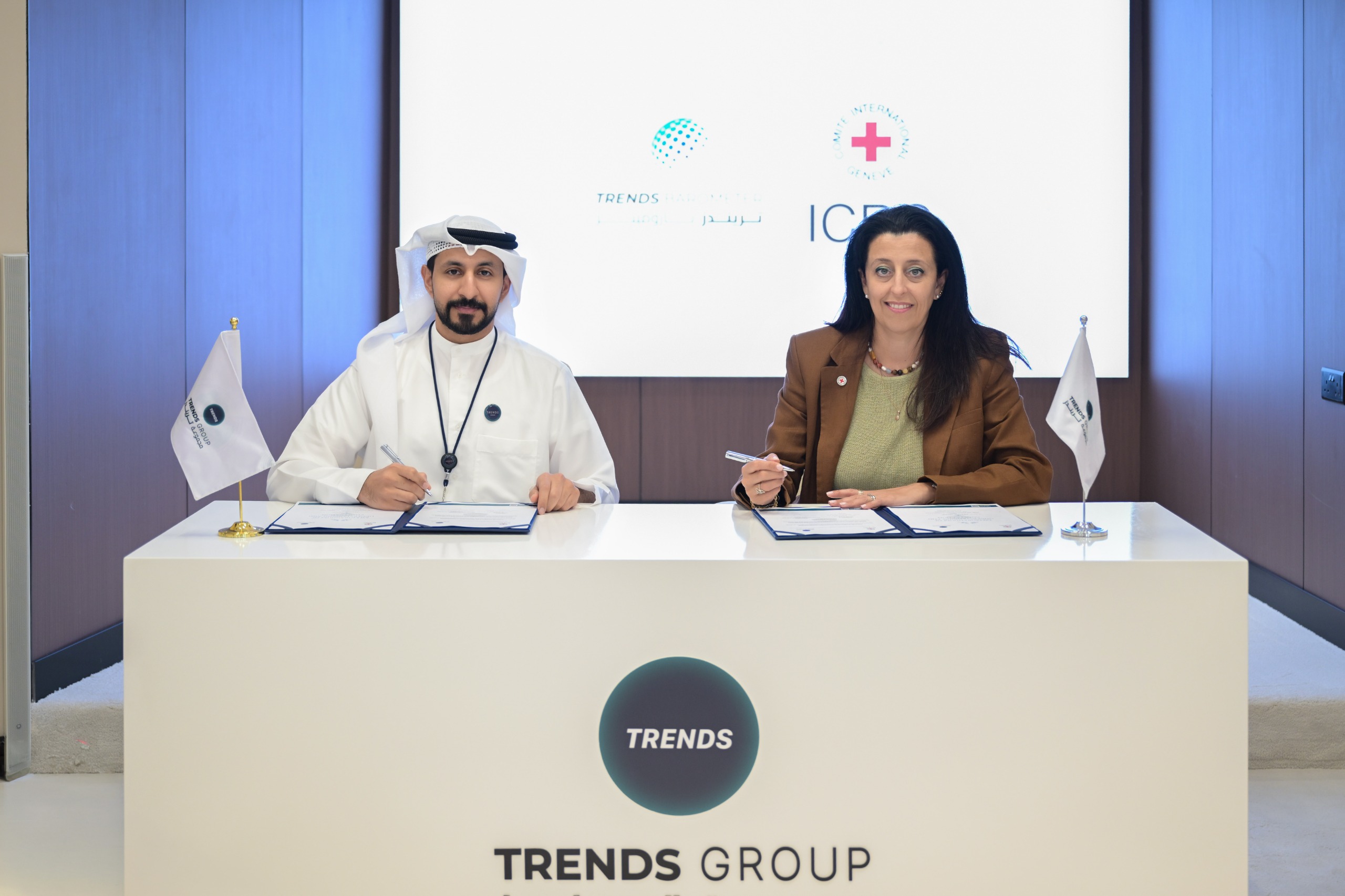
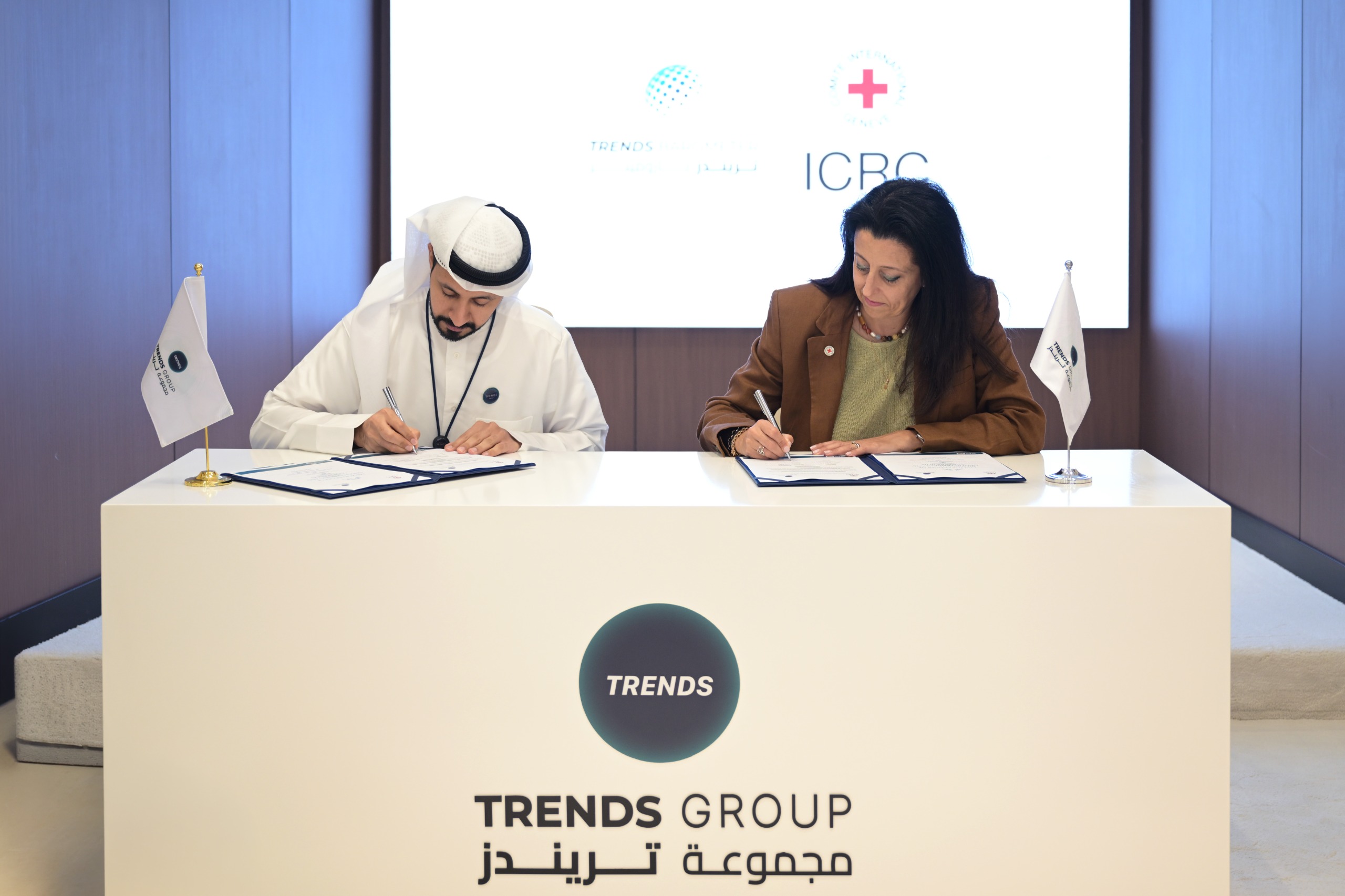
The MoU was signed at TRENDS Dubai by Valentina Bernasconi, Head of the ICRC Delegation in the United Arab Emirates, and Ali Abdullah Al Ali, Director of TRENDS Dubai. Under the MoU, the two sides will jointly design and implement questionnaires and field studies aimed at measuring public opinion trends in communities affected by conflict and disasters, while identifying the actual humanitarian needs of the most vulnerable groups.
Measuring Humanitarian Impact
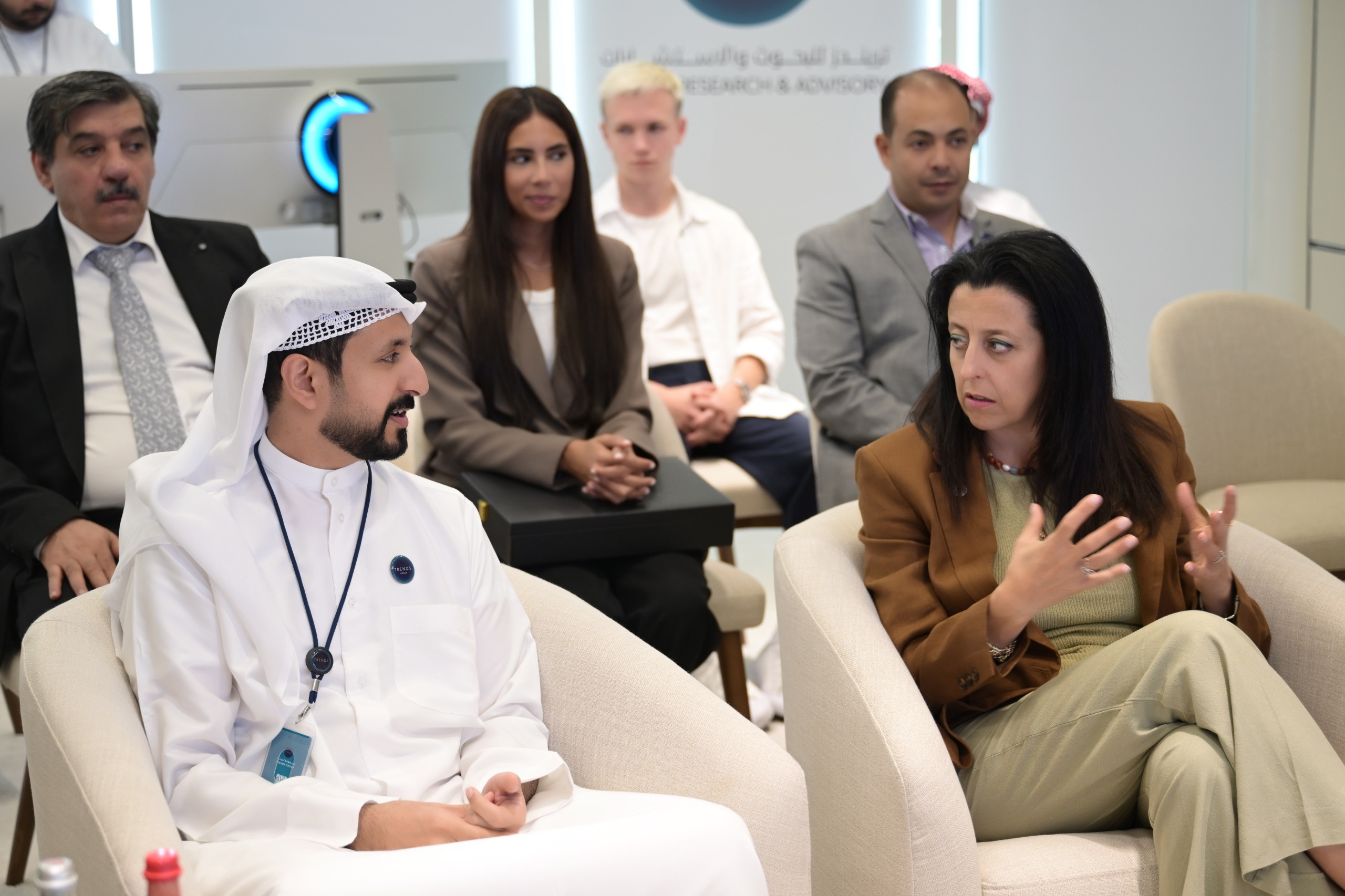
Fahad Al-Mahri, General Manager of TRENDS Barometer, said that signing the MoU with the International Committee of the Red Cross comes at a time when the global humanitarian sector is undergoing fundamental transformations, highlighting the growing need for innovative tools to analyze and anticipate crises and conflicts, particularly in hard-to-reach areas. He explained that this collaboration reflects both parties’ commitment to translating their scientific partnership into applicable knowledge products that support the development of mechanisms for measuring humanitarian impact.
He noted that the partnership between TRENDS Barometer and the ICRC extends beyond field opinion surveys to include joint training programs designed to equip field personnel with survey and polling techniques, while strengthening the capacities of teams operating in crisis-affected areas to enable local communities to identify and monitor their own needs.
Launching an Innovative Index
Fahad Al-Mahri, General Manager of TRENDS Barometer, revealed that the two parties intend to launch an innovative index to measure public awareness of international humanitarian law among civilians in different countries. The index will also assess access to essential services, including healthcare, education, food, and shelter, in conflict zones, as well as track affected and displaced populations worldwide. He explained that the index will be accompanied by in-depth analyses to help humanitarian organizations better direct assistance and allocate relief resources.
Conducting Surveys
Valentina Bernasconi, Head of the ICRC Delegation in the United Arab Emirates, affirmed that research institutions and think tanks have become a compass guiding humanitarian and charitable efforts toward more efficient, impactful, and sustainable approaches. She added that, through its analytical studies and high-quality qualitative surveys, TRENDS Barometer will help maximize the impact of humanitarian and volunteer initiatives while supporting the development of emergency relief response mechanisms through data collection and public opinion measurement.
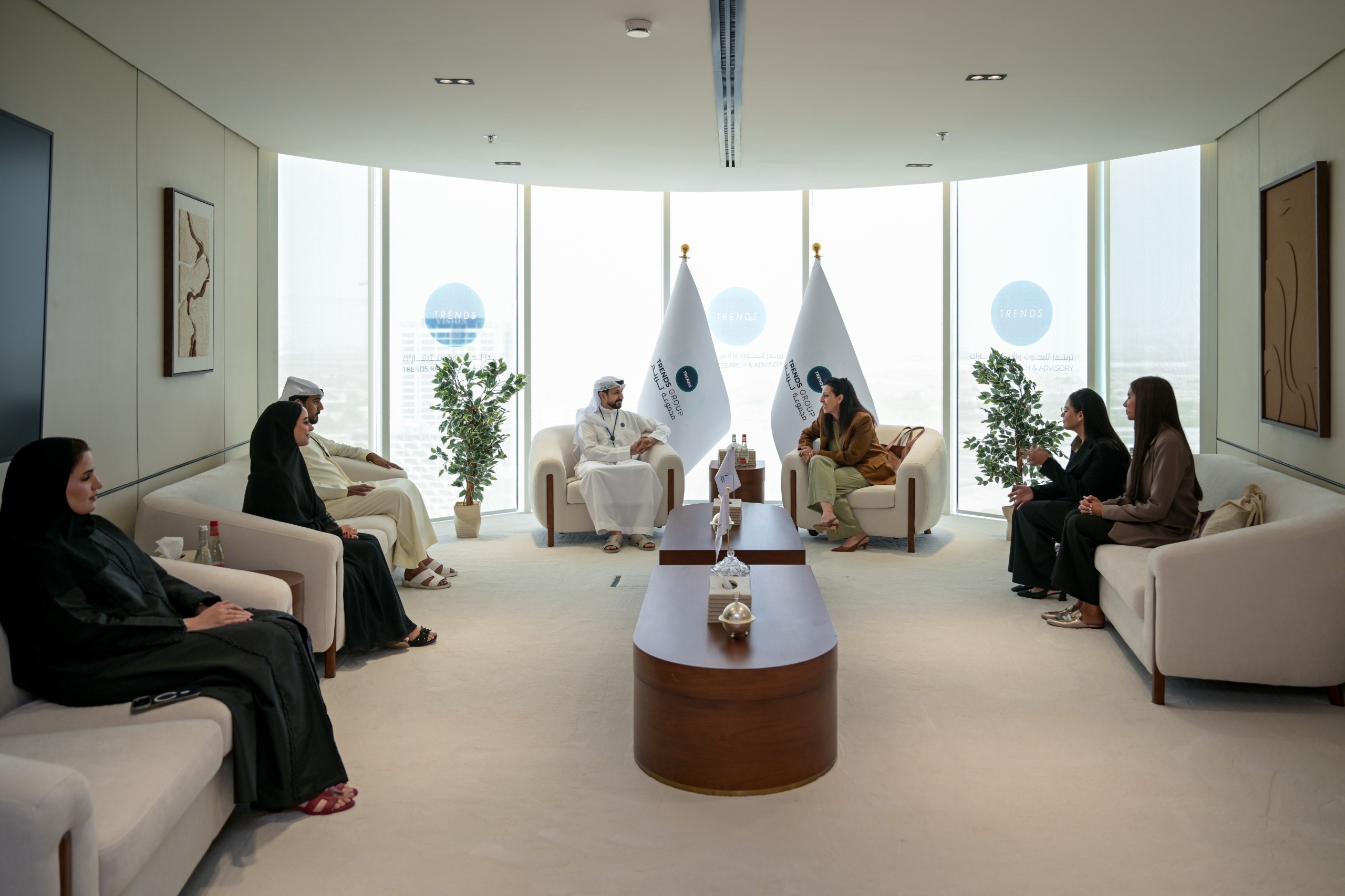
Bernasconi stated that TRENDS Barometer and the International Committee of the Red Cross will conduct a series of surveys that reflect the daily realities of people affected by crises, contributing to the collection of information needed to analyze the challenges faced by populations in conflict areas, including shortages of essential services such as healthcare and education. She noted that the collaboration will also include the development of advanced scientific methodologies for sampling and data analysis, as well as the use of remote survey technologies in areas that are difficult to access.
The Head of the ICRC Delegation added that the areas of cooperation will also include the exchange of expertise in geospatial analysis and the use of artificial intelligence technologies to analyze big data and humanitarian consequences, thereby supporting the Committee’s efforts in conflict-affected areas and helping to alleviate the suffering of communities impacted by wars and disasters.

