
TRENDS Research & Advisory, part of TRENDS Group, launched five new research publications at the Book Signing Corner of the Sharjah International Book Fair. The publications examine a range of contemporary issues, including hybrid warfare, cyberterrorism, the construction of jihadist narratives in the digital sphere, the ideological foundations of extremism and terrorism, and great power competition in a divided world. The new books form part of TRENDS Group’s research contributions as Knowledge Partner of the 45th edition of the fair, reflecting its commitment to supporting knowledge and promoting a culture of rigorous academic research.
The five publications are Hybrid Warfare Post-War: The UAE as a Role Model; Cyberterrorism: The Invisible Enemy and the Reshaping of Global Security; Constructing Activist and Jihadist Narratives in the Digital Sphere: Narrative Closure, Mobilization, and Counterstrategies; Destructive Ideologies: From Fostering Extremism to Breeding Terrorism; and Great Power Rivalries in a Fragmented World: How the Gulf Region Adapts.
Modern Warfare Transformation
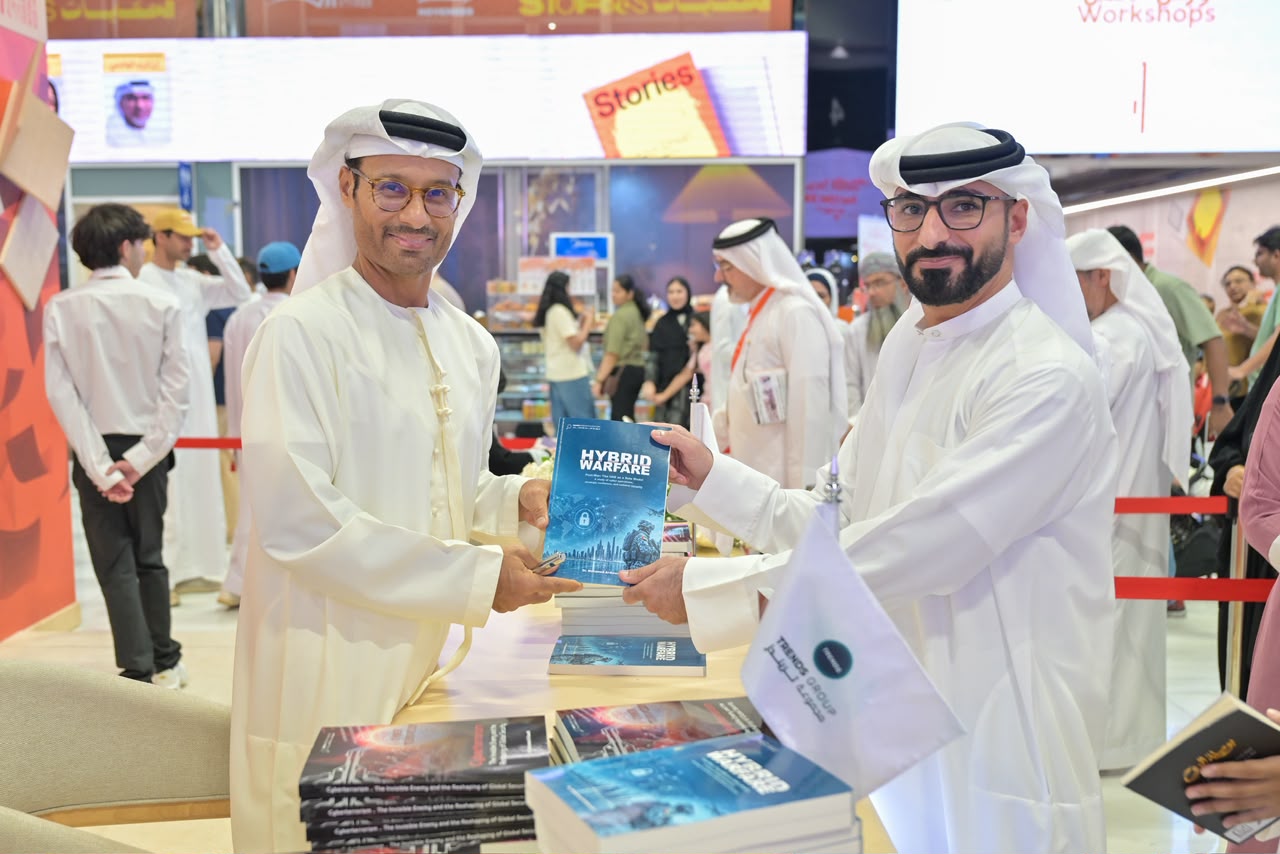
H.E. Dr. Mohamed Al-Kuwaiti, Chairman of the UAE Cyber Security Council, launched his book Hybrid Warfare Post-War: The UAE as a Role Model, published in English by TRENDS. Across five chapters, the book examines the evolution of modern warfare and the convergence of conventional military operations with cyber capabilities, artificial intelligence, information manipulation, and economic pressure, expanding conflict to encompass governments, critical infrastructure, financial systems, and civilians.
In his book, Al-Kuwaiti lays out the theoretical and technological foundations of hybrid warfare, emphasizing that simultaneous hostile activities do not necessarily indicate coordinated hybrid operations. He explains that while artificial intelligence enhances situational awareness, it also introduces risks of accountability gaps and manipulation.
The book further explores emerging threats and a framework for deterrence and resilience that combines prevention, proportionate consequences, strategic ambiguity, partnerships, preparedness, and AI-enabled defense. Al-Kuwaiti emphasizes that national resilience is a strategic and institutional capability, not merely a technological achievement. It requires protecting critical infrastructure, ensuring the continuity of essential services, maintaining public trust, promoting responsible governance, and sustaining cooperation.
Reshaping Global Security
Dr. Al-Kuwaiti also signed the English edition of his book Cyberterrorism: The Invisible Enemy and the Reshaping of Global Security, published by TRENDS. The book highlights how cyberterrorism is reshaping global security by turning cyberspace into a new arena for ideological conflict and technological threats.
The book examines how terrorist organizations exploit artificial intelligence, digital platforms, and emerging technologies to expand their influence. It also explores evolving national security challenges and the need for proactive strategies, stronger cyber defenses, and broader international cooperation.
The book emphasizes that national security is no longer measured solely by military capabilities or the ability to protect land, maritime, and airspace borders. It also depends on technological expertise and the ability to safeguard cyber borders against breaches that can be carried out at the click of a button from another continent. This represents a fundamental shift in the history of terrorism, as traditional radicalism converges with advanced technology and the physical and virtual worlds increasingly intersect, generating far-reaching threats that transcend geographical boundaries and conventional security frameworks.
Narrative Closure and Mobilization
Colonel Dr. Khalid Rashid Sulaiman Al-Zeyoudi, a political science researcher and faculty member at the Police College, launched his book Constructing Activist and Jihadist Narratives in the Digital Sphere: Narrative Closure, Mobilization, and Counterstrategies, published by TRENDS Research & Advisory.
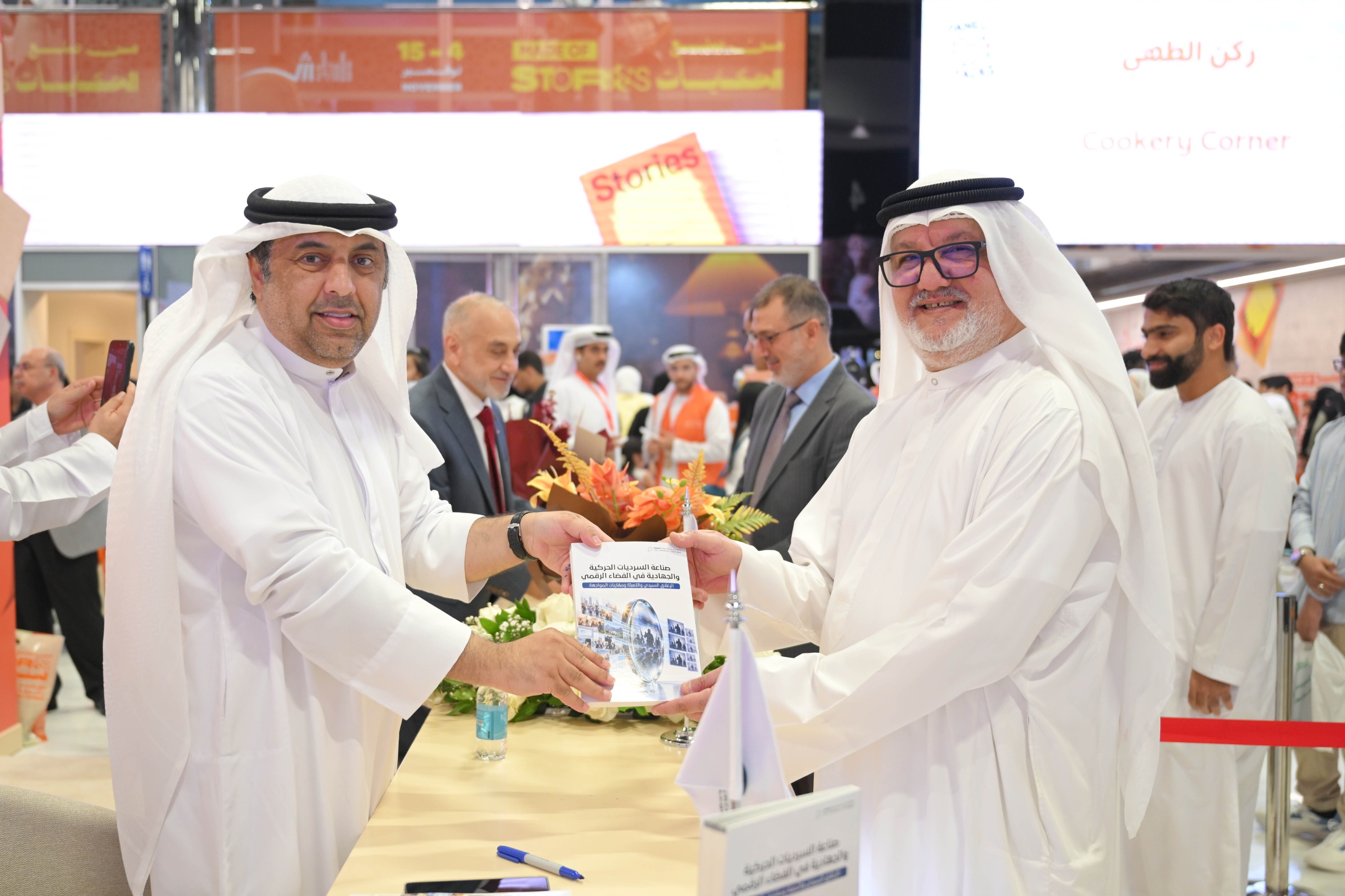
The book highlights the dangers of narrative closure in terrorist organizations’ propaganda and explains how algorithms are used to monopolize the interpretation of reality. It provides a conceptual framework and an assessment matrix for analyzing extremist discourse, along with early-warning indicators and practical intervention points that shift counter-extremism efforts beyond content removal toward dismantling extremist narrative structures and developing monitoring and prevention strategies.
Destructive Ideologies
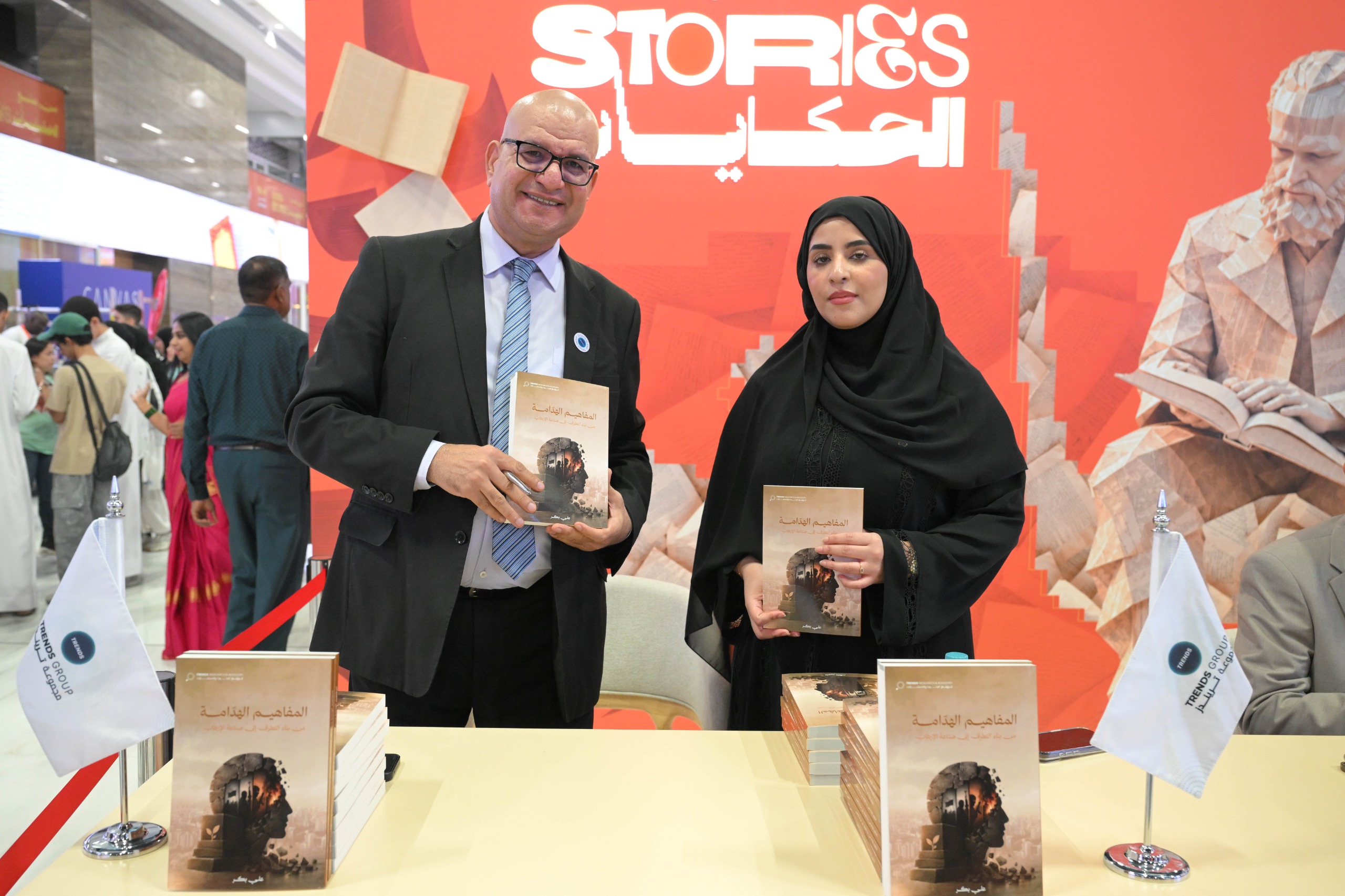
The Book Signing Corner at the Sharjah International Book Fair 2026 also hosted the launch of Destructive Ideologies: From Fostering Extremism to Breeding Terrorism, authored by Ali Bakr, Senior Researcher at TRENDS Research & Advisory. The book examines the ideological foundations of terrorist organizations, explaining how religious texts and concepts such as hakimiyya (divine sovereignty), jihad, and the caliphate are distorted to justify violence and exclude those who hold opposing views. It concludes that countering terrorism requires not only security measures but also a battle of ideas to dismantle extremist ideologies, correct distorted interpretations, and promote moderation, citizenship, and tolerance.
Great Power Rivalries
As part of the Strategic TRENDS series, published periodically by TRENDS Research & Advisory, Abdulla Al-Khaja, a researcher at TRENDS, signed his book Great Power Rivalries in a Fragmented World: How the Gulf Region Adapts. The book highlights how intensifying competition among the United States, China, and Russia is reshaping the strategic landscape of the Gulf Cooperation Council (GCC) countries. It examines how Gulf states are responding to shifting global power dynamics by diversifying their partnerships, strengthening economic resilience, and pursuing greater strategic autonomy.
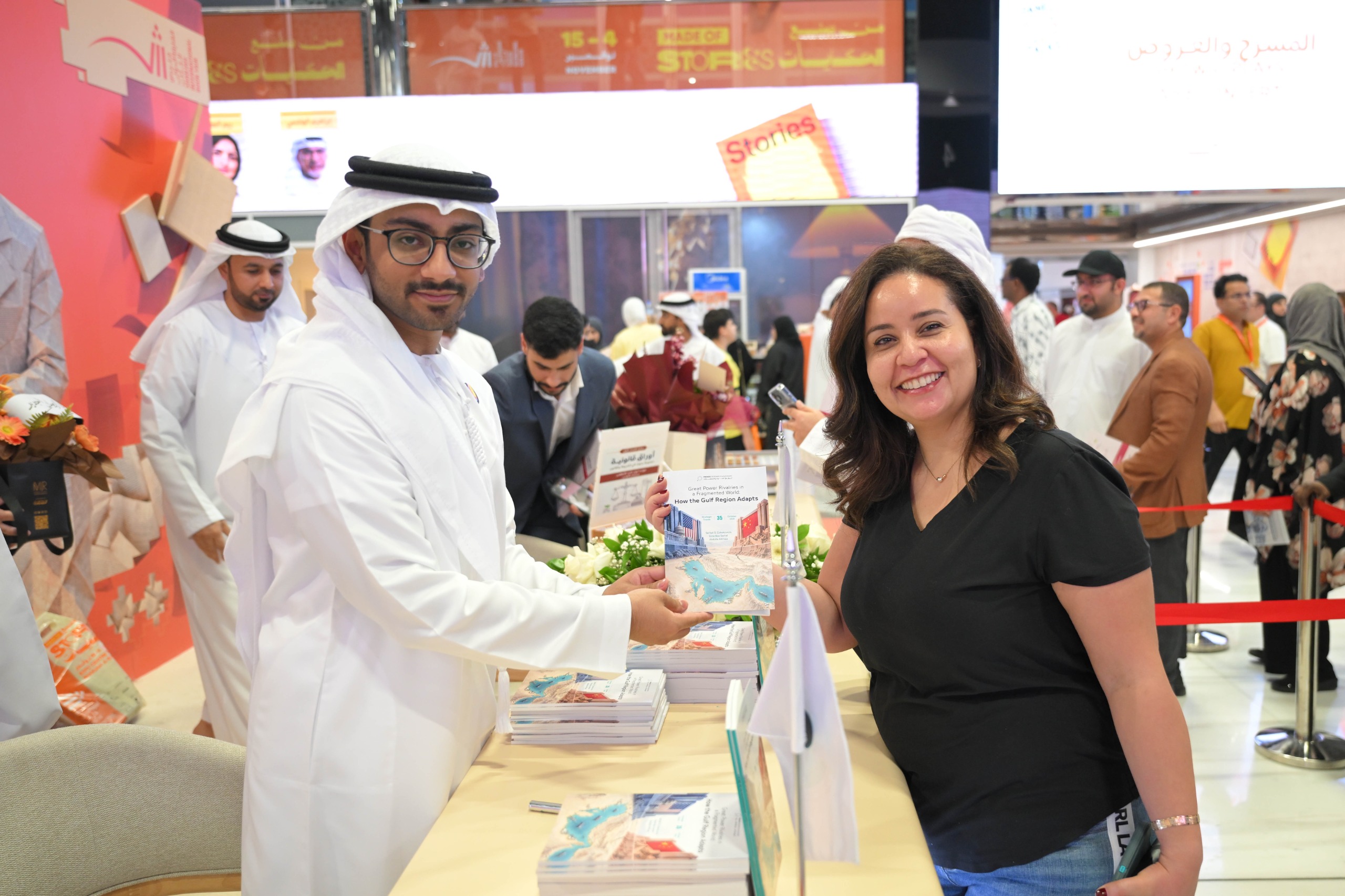
The book also explores the opportunities and challenges involved in balancing relations with competing powers in an increasingly fragmented international order. It recommends that Gulf states maintain a balanced approach to great-power competition, leveraging partnerships with all sides while safeguarding their strategic autonomy.