
Sixth TRENDS Annual Forum on political Islam opens in London; Proceedings to continue at the French Senate on Thursday.
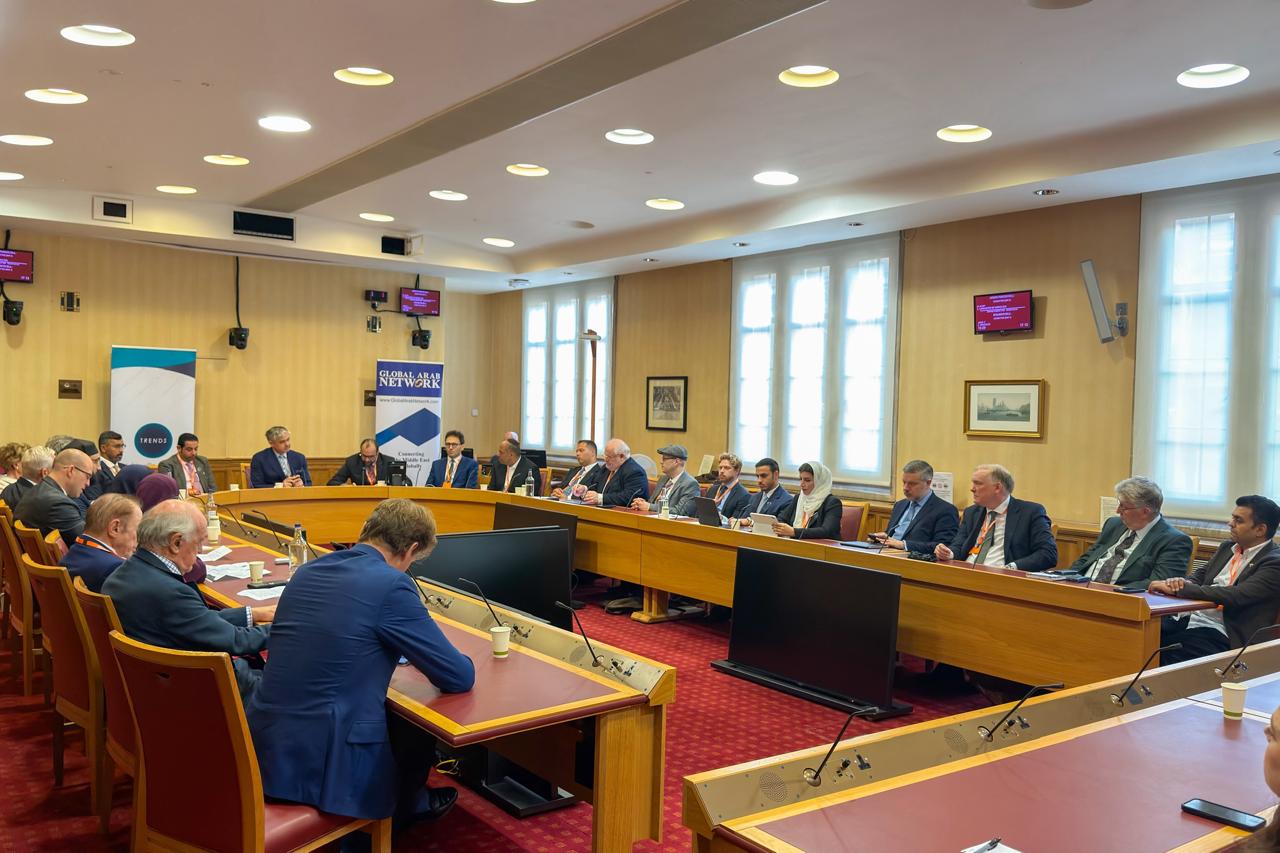
The first part of the sixth TRENDS Annual Forum on Political Islam opened in London with an extensive session held at the British Parliament, at the House of Lords, bringing together a distinguished group of parliamentarians, academics, researchers, and experts.
The forum, organized by TRENDS Global and TRENDS Research & Advisory, is scheduled to continue its proceedings on Thursday, September 10, in Paris, at the French Senate in the Luxembourg Palace, to examine frameworks for countering these challenges, as well as avenues for research and legislative cooperation among European and partner countries.
Participants emphasized that addressing the risks posed by the Muslim Brotherhood requires moving beyond security and procedural responses toward comprehensive preventive and intellectual strategies aimed at dismantling ideological structures and curbing the group’s soft-power tools in education, socialization, and the digital sphere.
Dr. Mohammed Al Ali: Confronting the Challenge Requires an Integrated Strategic Vision
In his opening remarks, Dr. Mohammed Abdullah Al Ali, Chairman of Trends Group, stressed that confronting ideological challenges requires an integrated strategic vision. He noted that the choice of London and Paris reflects the cross-border nature of these challenges and the ability of some movements to exploit openness and democracy to penetrate education, media, the economy and the digital sphere.
He stressed the importance of distinguishing between Islam as a religion and an authentic civilizational and spiritual component, and “Islamism” as an ideological political project that instrumentalizes religion to pursue objectives related to legitimacy, power and influence.
He emphasized that protecting open societies requires safeguarding freedom and democracy while countering parallel loyalties that could undermine equal citizenship or weaken trust in national institutions. He added that the role of research centers extends beyond interpreting events to anticipating future developments and translating knowledge into actionable preventive policies.
Dr. Khalifa Al Dhaheri: Confronting Muslim Brotherhood Ideology Protects Citizenship and Promotes Coexistence
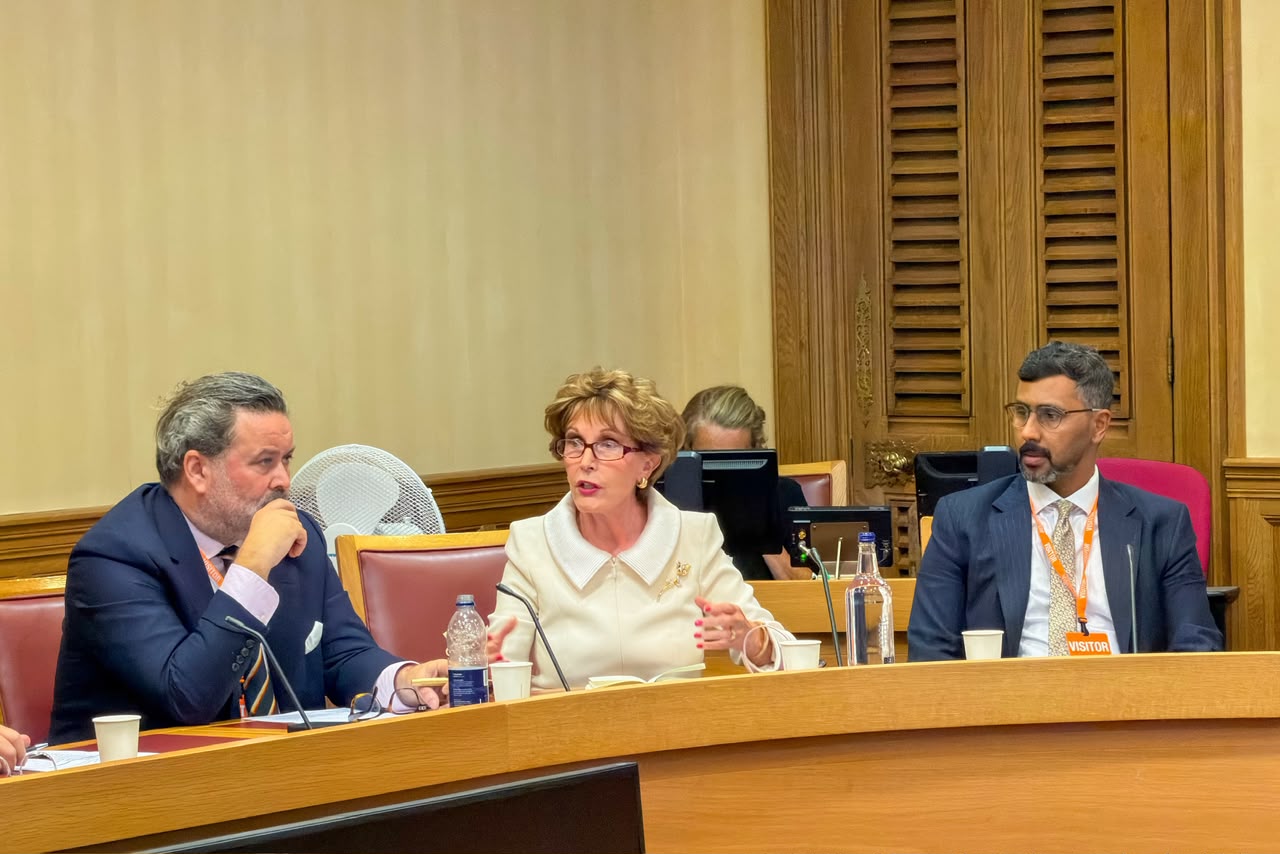
In a keynote address, H.E. Dr. Khalifa Mubarak Al Dhaheri, Director of Mohammed Bin Zayed University for Humanities in the UAE, stressed that confronting Muslim Brotherhood ideology is closely linked to societal security, citizenship values and the future of coexistence. He emphasized the need to distinguish between Islam as a religion and the Brotherhood as an ideological organization that instrumentalizes religion to pursue political objectives.
He noted that Britain has for decades been a center for the activities of individuals, institutions and networks associated with the Muslim Brotherhood and political Islam, calling for continued scrutiny of the group’s activities, ideology and networks.
He pointed out that the Brotherhood employs a multifaceted discourse in the European public sphere, while its Arabic literature reveals different conceptions of the state, society and citizenship. He stressed the importance of examining its literature in both Arabic and English.
He explained that the concepts of governance, the caliphate and the implementation of Sharia constitute key elements of the group’s political thought, and that prioritizing ideological loyalties over citizenship can contribute to the emergence of “societies within societies.”
He stressed that the Muslim Brotherhood does not represent Muslims in Britain or Europe, emphasizing that Muslims are citizens who enjoy full rights and that no ideological organization has the right to claim guardianship over them or speak on their behalf.
First Session: Deconstructing Ideological Dimensions and Counter-Approaches
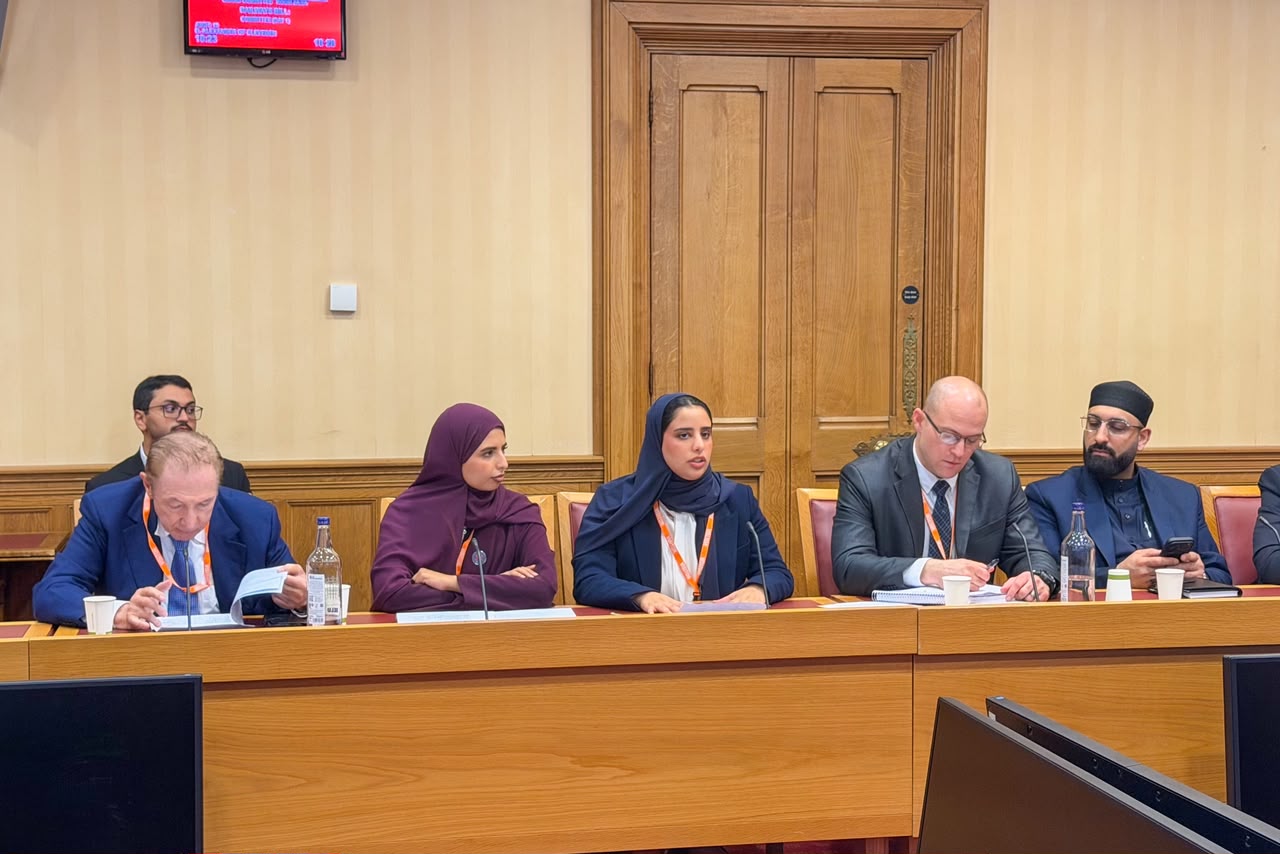
The first session, titled “The Muslim Brotherhood in Europe: Intellectual and Ideological Dimensions,” focused on examining the group’s ideological frameworks and the risks associated with its gradual educational indoctrination, with particular emphasis on education and young people.
The session also examined the model of Gaza Children’s Village (GCV), established in July 2025 by Palestinian-American neurosurgeon Dr. David Hassan in cooperation with IMPACT-se, as an alternative educational approach to counter incitement and extremism.
Second Session: National and Regional Policy Frameworks and Preventive Oversight Tools
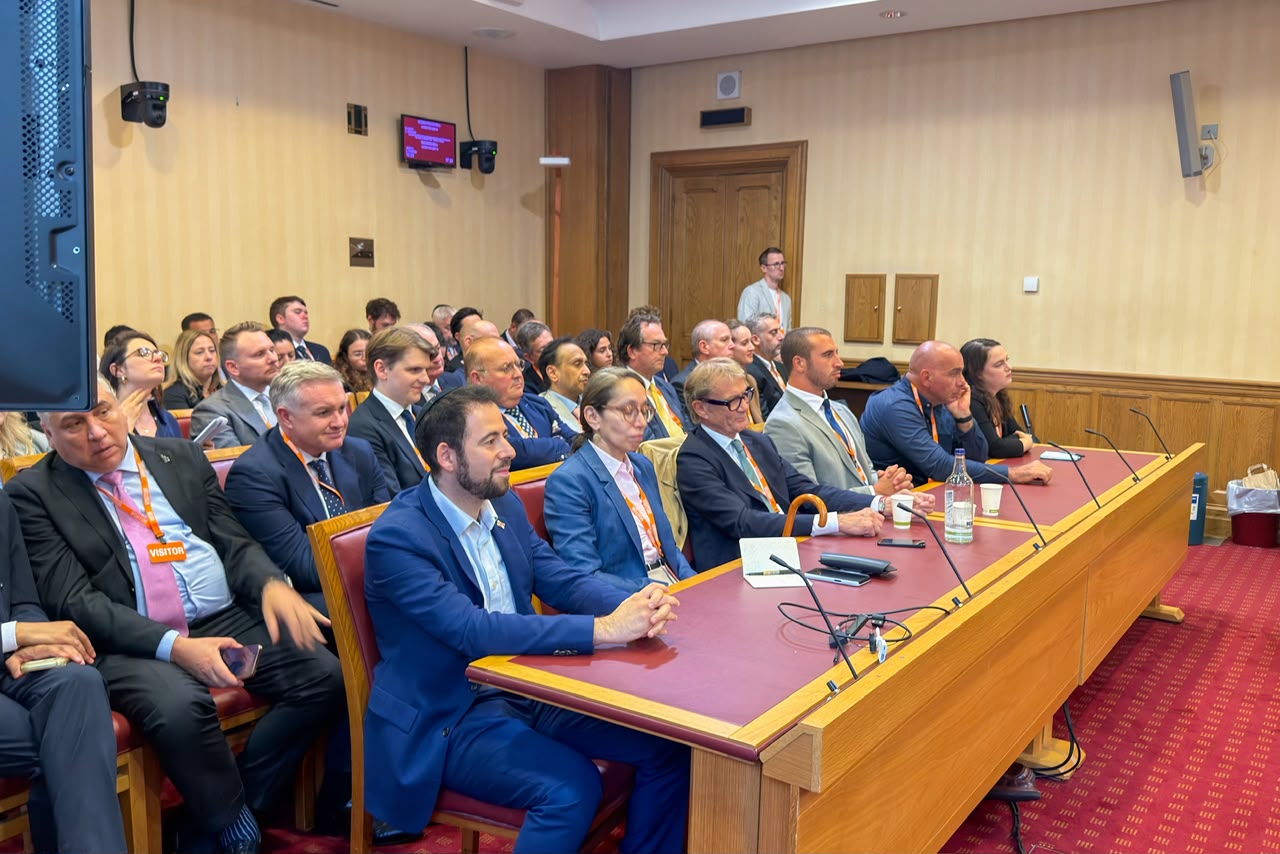
The second session, titled “National and International Policy Frameworks: Responses and Implementation Approaches,” addressed mechanisms for combating extremism and comparatively assessing preventive policies.
Interventions by Parliamentarians, Experts and Researchers
The session was moderated by Lord Walney, a British politician and government adviser on violence and political disorder, who praised Trends’ research efforts. He called for an assessment of existing legal frameworks for confronting extremist organizations and stressed the need to distinguish between traditional terrorist groups and amorphous entities that negatively affect social cohesion.
He highlighted the importance of addressing the “blind spot” exploited by some networks and think tanks, including those linked to the Brotherhood, to penetrate charitable organizations and the education sector. He also called for stronger international partnerships, intelligence sharing and the use of designation lists.
Funding Gaps
Baroness Foster of Oxton, a member of the House of Lords, British politician and former Member of the European Parliament, addressed funding gaps and institutional shortcomings within charitable organizations, calling for tighter financial and ideological oversight and a review of tax concessions and benefits.
Daniel Kawczynski, former Member of the British Parliament, stressed the need for the Home Office to respond to parliamentary calls to ban the group and designate it as a terrorist organization. Lady Olga Maitland, Member of Parliament and Chair of the Defence and Security Forum, warned from a national security perspective of the risks of “soft extremism” and coordinating structures targeting young people, calling for updated legislation.
“A Multi-Headed Beast”
Matthew J. Leavitt of the British Labour Party described the Muslim Brotherhood as a “multi-headed beast,” warning of attempts to exploit regional issues, including the Israeli-Palestinian conflict, to gain influence within institutions. He called for Britain to follow the example of Austria, Germany and France in gathering evidence concerning the group’s activities.
Education… The First Line of Defense
Major Jason Olson, a U.S. Navy officer and former counter-extremism official, focused on the concept of “intellectual security,” emphasizing the importance of protecting students from the early stages of education against the entrenchment of extremist ideologies.
Markus Sheff, CEO of the Institute for Monitoring Peace and Cultural Tolerance in School Education (IMPACT-se), stressed that education represents the first line of defense against digital extremism. He called for critical thinking and digital literacy to be incorporated into curricula, citing the UAE experience in promoting tolerance, coexistence and national identity.
Sir Oliver Dowden, former Deputy Prime Minister of the United Kingdom, a current Member of the British Parliament, and Chair of the UK-UAE Parliamentary Friendship Group, addressed in depth the Muslim Brotherhood and its links to extremism. He stressed that the issue is attracting growing attention from a number of British parliamentarians, amid the need for a better understanding of the potential threats and risks posed by the group to the United Kingdom, thereby enhancing the ability of relevant institutions to assess and address these risks effectively.
Multiple Challenges
Tom Wilson, Chairman of the Counter Extremism Group, and Dr. Alan Mendoza, Co-Founder and Executive Director of the Henry Jackson Society, highlighted the legal and media challenges involved in exposing front organizations. They proposed using parliamentary privilege to bring facts to the public and announced the launch of the “Ban the Brotherhood” campaign to raise political awareness.
Professor Andrew Davies, Professor of Religions in Public Space at the University of Birmingham, addressed the impact of extremist ideologies, including those of the Muslim Brotherhood, on social cohesion and religious pluralism, calling for carefully targeted bans on organizations that threaten the public sphere.
An Existential Threat
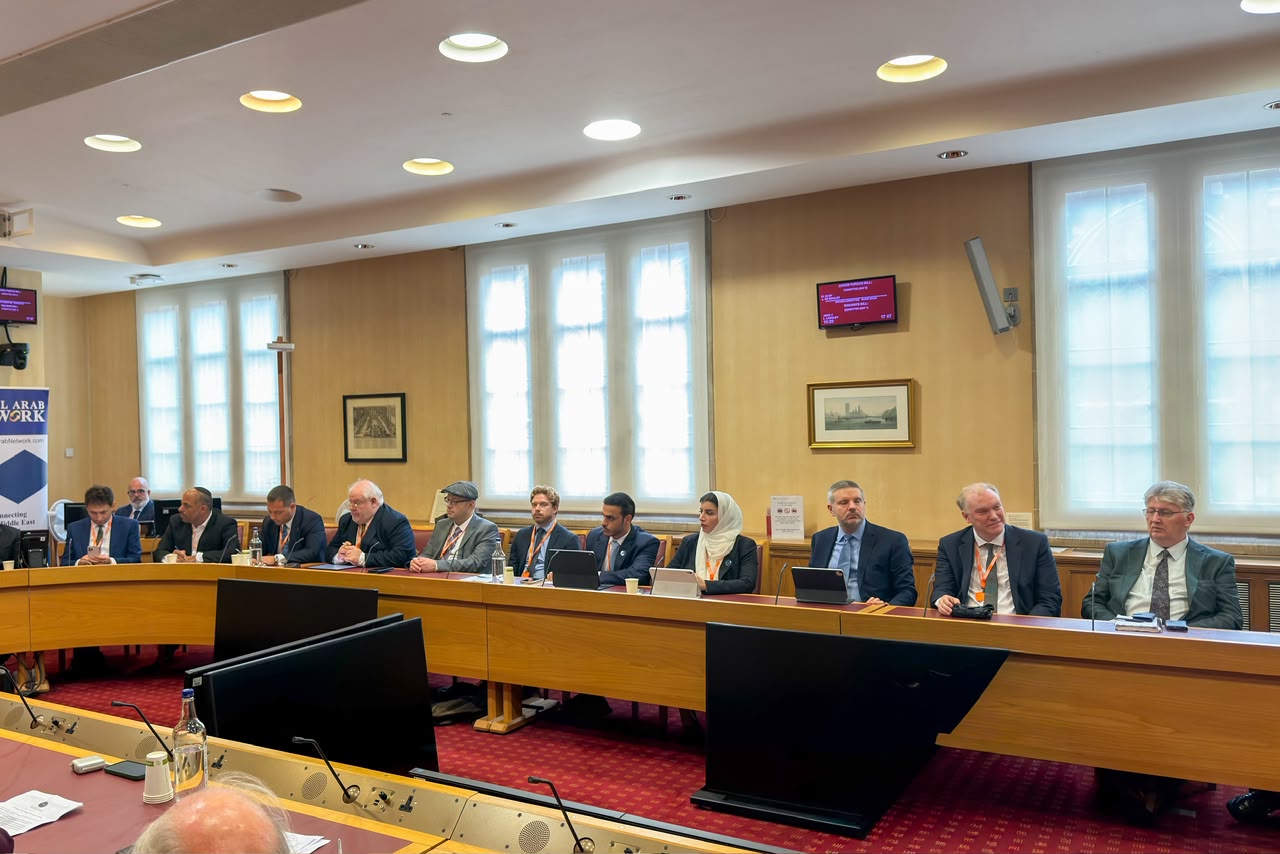
Professor David Abrahams, Senior Adviser at the Arab Global Network and former Deputy Chairman of RUSI, said that Islam represents a “gift from God,” while “political Islam” poses an existential threat. He stressed the need to protect pluralism and freedom of religious practice.
Alessandro Bertoldi, Executive Director of the Milton Friedman Institute of Italy, questioned whether a legal ban would be sufficient without confronting the group’s instruments and called for monitoring the use of artificial intelligence to disseminate its messaging.
Phil Rosenberg, President of the Board of Deputies of British Jews, called for an international alliance to confront extremist ideology, noting that Muslims themselves are among the largest victims of such extremism. He said that banning the Muslim Brotherhood represents a forthcoming step on the political and executive agenda in the United Kingdom.
Imam Mohammed Tawhidi, Adviser on Counter-Extremism and Counter-Terrorism Affairs at Trends Research & Advisory and a member of the Higher Committee of the World Islamic Council of Scholars in Canada, described the Brotherhood as the “parent company” of organizations such as al-Qaeda, ISIS and Hamas. He referred to the multiple fronts through which it operates and stressed that the vast majority of Western Muslims reject this approach.
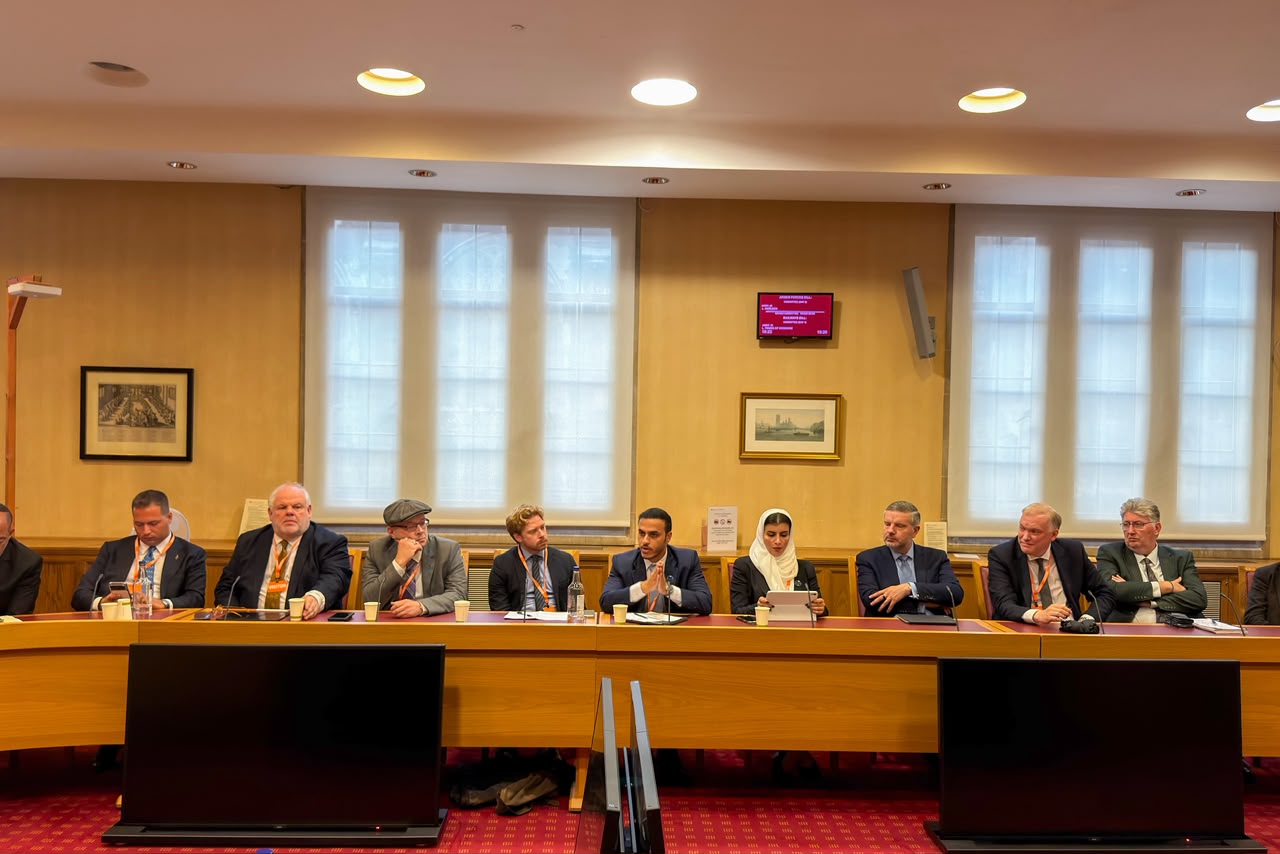
During the session, H.E. Nadhim Zahawi, former Member of Parliament; Roger MacMillan, a specialist in military and security affairs; and David Abrahams, Senior Adviser at the Arab Global Network, emphasized the importance of strengthening national prevention strategies and countering extremist ideology through comprehensive solutions and forward-looking approaches, with a focus on education, tolerance and peaceful coexistence.
Participants also examined legislative and regulatory frameworks concerning the banning of the Muslim Brotherhood and extremist groups, the adequacy of existing measures, and the risks of exploiting modern technologies and artificial intelligence to disseminate extremist ideas.
Hamad Al Hosani, Principal Researcher in the Political Islam Sector at Trends Research & Advisory, said the group’s danger lies in its transformation into flexible networks and community institutions that exploit democratic freedoms, stressing the importance of a balanced approach that protects national security without resorting to collective stigmatization.
Badriya Al Riyami, Principal Researcher in the Political Islam Sector at Trends, presented data from the 2025 Global Brotherhood Power Index, noting that Europe ranked fourth at 17.0%, following the Americas at 24.8%, Asia at 22.5% and Africa at 20.2%. She stressed that Europe remains an important political and media base for the organization.
The session also featured two research contributions by TRENDS researchers Shamsa Al Qubaisi and Shamma Al Qattia, who highlighted TRENDS’ efforts to combat extremism and terrorism, showcasing some of its key research initiatives and tools, including its research encyclopedia, Global Index, and specialized studies, and their role in advancing scientific knowledge and promoting an objective understanding of extremism.
Recommendations
Participants recommended expanding the scope of intellectual counter-strategies and moving from procedural bans toward dismantling networks and addressing ideological dimensions, while incorporating the concepts of “tolerance education” and citizenship as a first preventive safety net.
They also called for educational programs to become a central component of national policies to combat extremism, alongside developing digital capabilities to track the group’s exploitation of artificial intelligence technologies and dismantle its radical content.
Broad Parliamentary, Research, and Media Attendance
The session was attended by prominent figures, including Richard Tice, Member of Parliament and Deputy Leader of the Reform Party; Sir Robert John Blackman, Chairman of the 1922 Committee; Baroness Deech; Baroness Foster of Oxton; Daniel Kawczynski; Lady Olga Maitland; Nadhim Zahawi; Ivan Lewis; and security expert Roger MacMillan.
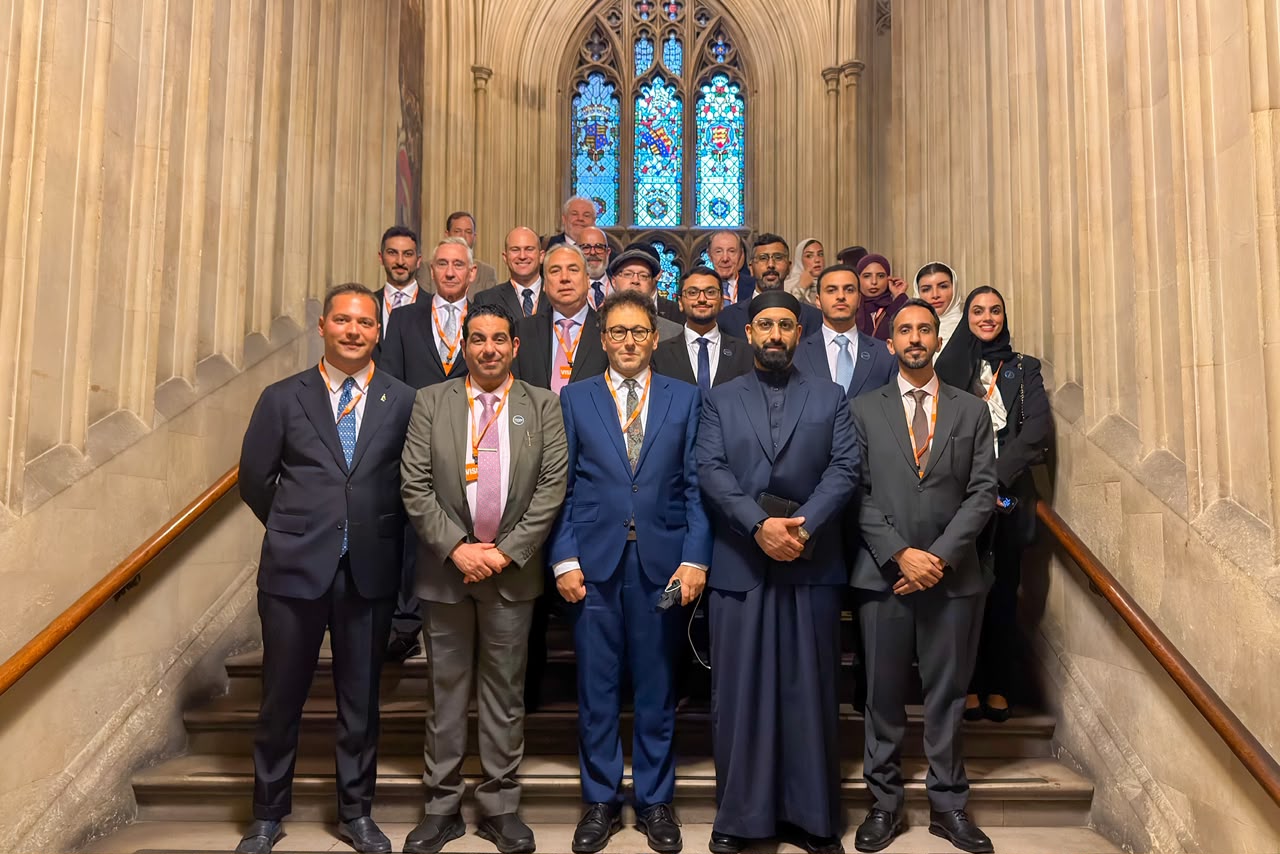
The session also witnessed the attendance of prominent political and research figures, including Lord Howard of Lympne; Lord Austin of Dudley; Lord Eric Pickles; Ambassador Nicholas Hopton; Dr. Stepan Stepanenko; Charlotte Leslie; Keith Rowe; Adam Bailey; Connor Gray; Edwin Shuker; Connie Shu; Celeste Warren; Darren Brown; Benjamin Jones; James Edward Price; Lawrence Julius; Jonathan Turner; Patrick Corath; Daniel Boxall; Simon Moorhead; Matthew Goodwin; Roger Walters; Anna Stanley; Hannah Baldock; Emma Schubart; Lord Pollak; Sir Michael Ellis; Jack Rankin; Sir Oliver Dowden; and Jonathan Brown.
The forum also attracted a distinguished group of journalists and media professionals, including Marcus Donaldson (GB News TV); Camilla Turner (Sunday Telegraph); Michael Powell; David Collier; Natalie Lisbona (Daily Mail); Matti Ruska (Reporter London); and Jonathan Sacerdoti.

