
Two Workshops Conclude its Participation as a Strategic Partner of the Forum
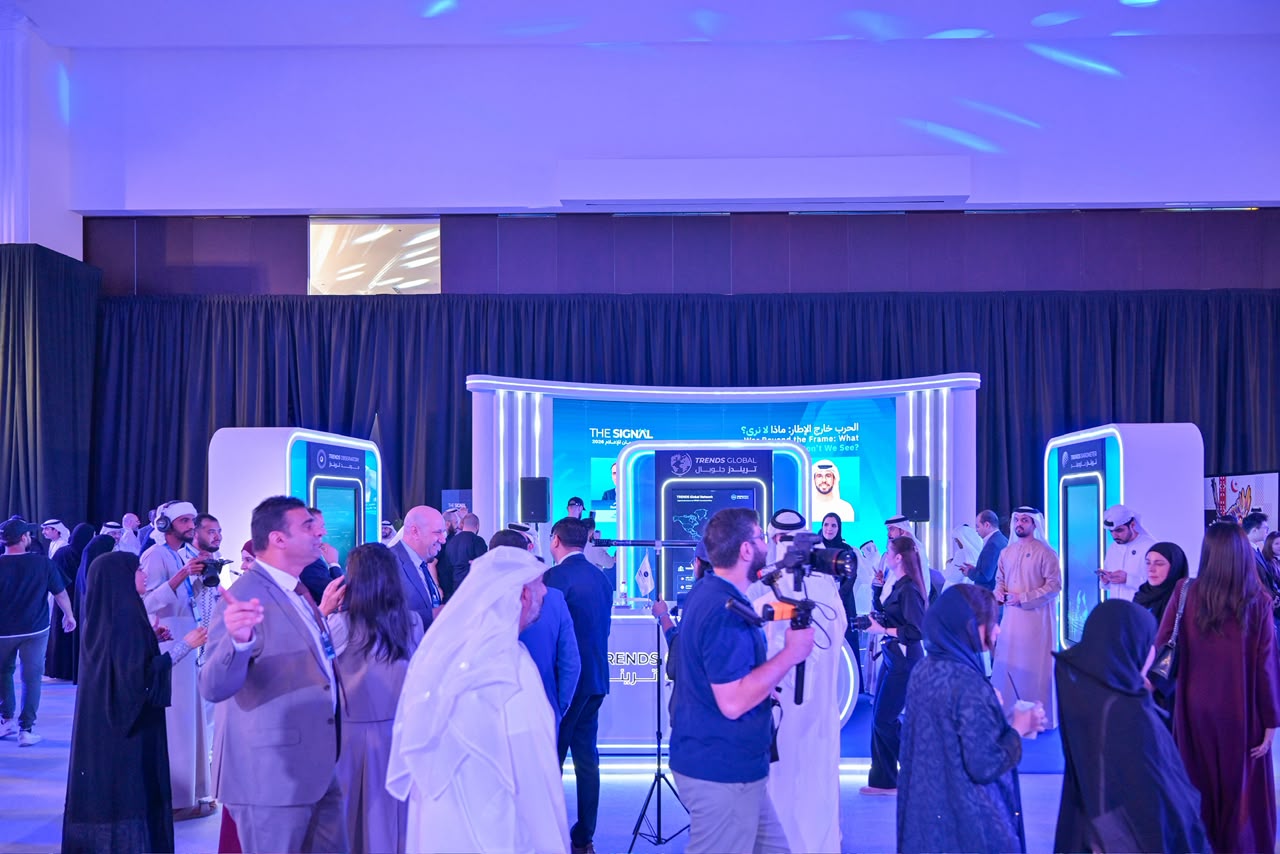
As TRENDS Group concluded its participation through TRENDS Dubai, as a strategic partner of the inaugural Ajman Media Forum, THE SIGNAL, TRENDS Research & Advisory organized a workshop titled Beyond Prompts: Engineering Advanced AI Applications. The TRENDS Youth Council also held an interactive workshop titled Generation of Transformation: From Anticipating the Future to Shaping It, focusing on the role of youth in shaping the future and harnessing research and innovation to turn challenges into opportunities and ideas into impactful initiatives. Both workshops took place at the Group’s pavilion, which hosted numerous media workshops and welcomed a wide range of officials, researchers, and media professionals.
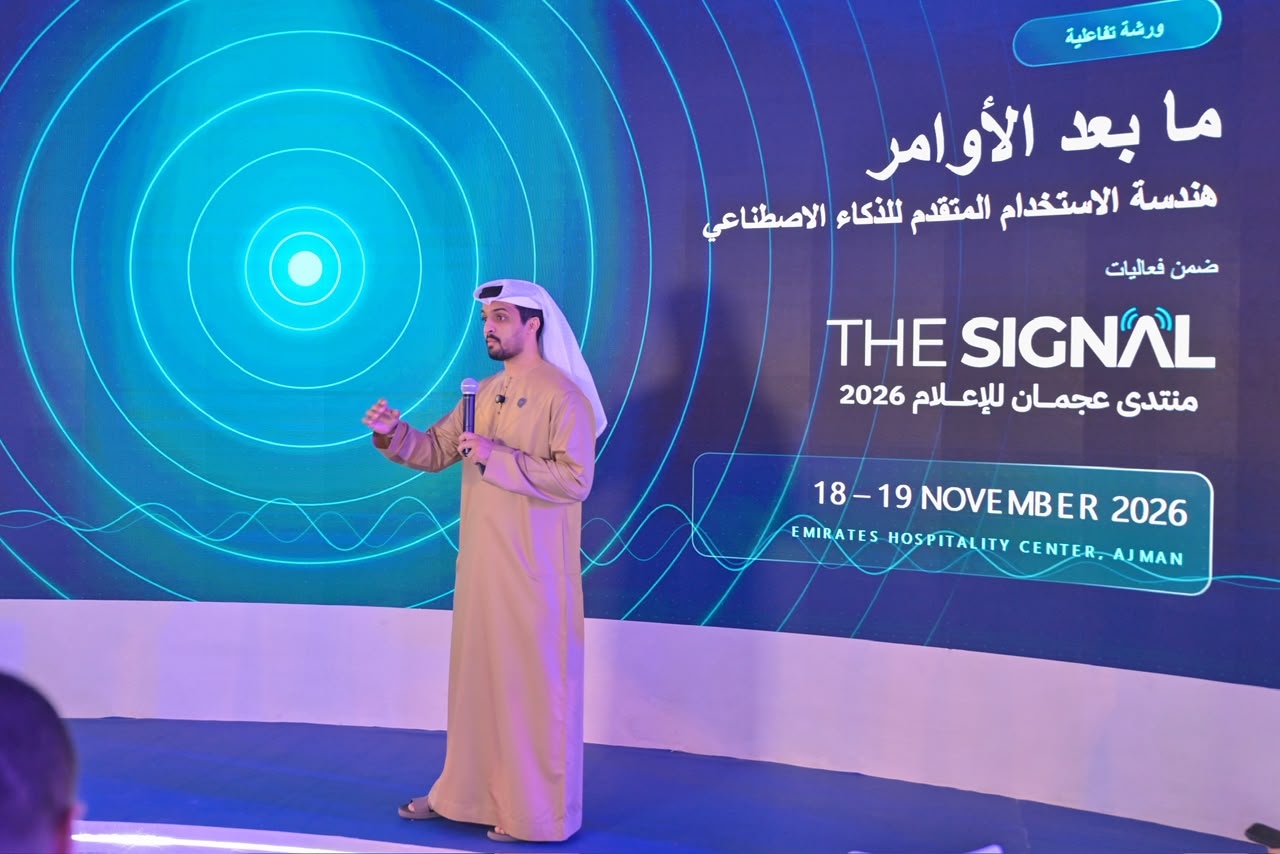
 Eissa Al-Mannaei, a researcher specializing in artificial intelligence at TRENDS Research & Advisory, delivered the workshop Beyond Prompts: Engineering Advanced AI Applications. He emphasized that using artificial intelligence does not necessarily mean fully leveraging its capabilities. The gap between using AI and mastering it persists even among those most accustomed to these tools, as frequent interaction with the technology does not necessarily lead to a deeper understanding of its potential or the discovery of its more advanced capabilities.
He noted that although the UAE leads the world in AI adoption rates, significant opportunities remain to explore the technology’s capabilities and apply them more extensively, particularly in personal and professional contexts. Quantitative indicators of AI usage do not necessarily reflect the depth of engagement or the effectiveness of its application, highlighting the need for a fundamental shift in how individuals interact with these tools.
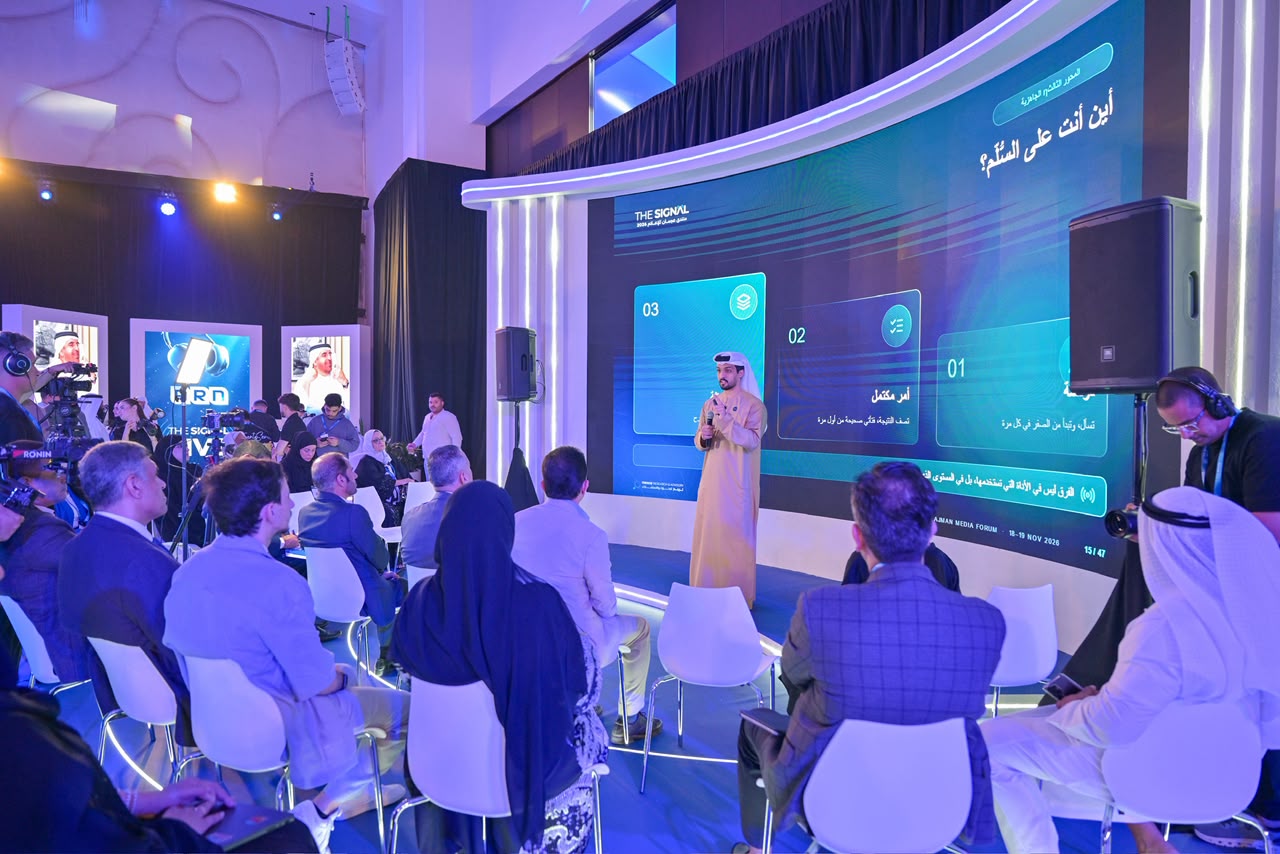
Al-Mannaei highlighted capabilities that go beyond simply asking questions and writing prompts, presenting practical examples that individuals can adopt to increase productivity, develop their skills, and expand their capabilities. He also explored how AI can serve as a partner in thinking, planning, and analysis rather than merely a tool for providing instant answers, opening broader opportunities for continuous learning and completing complex tasks more efficiently.
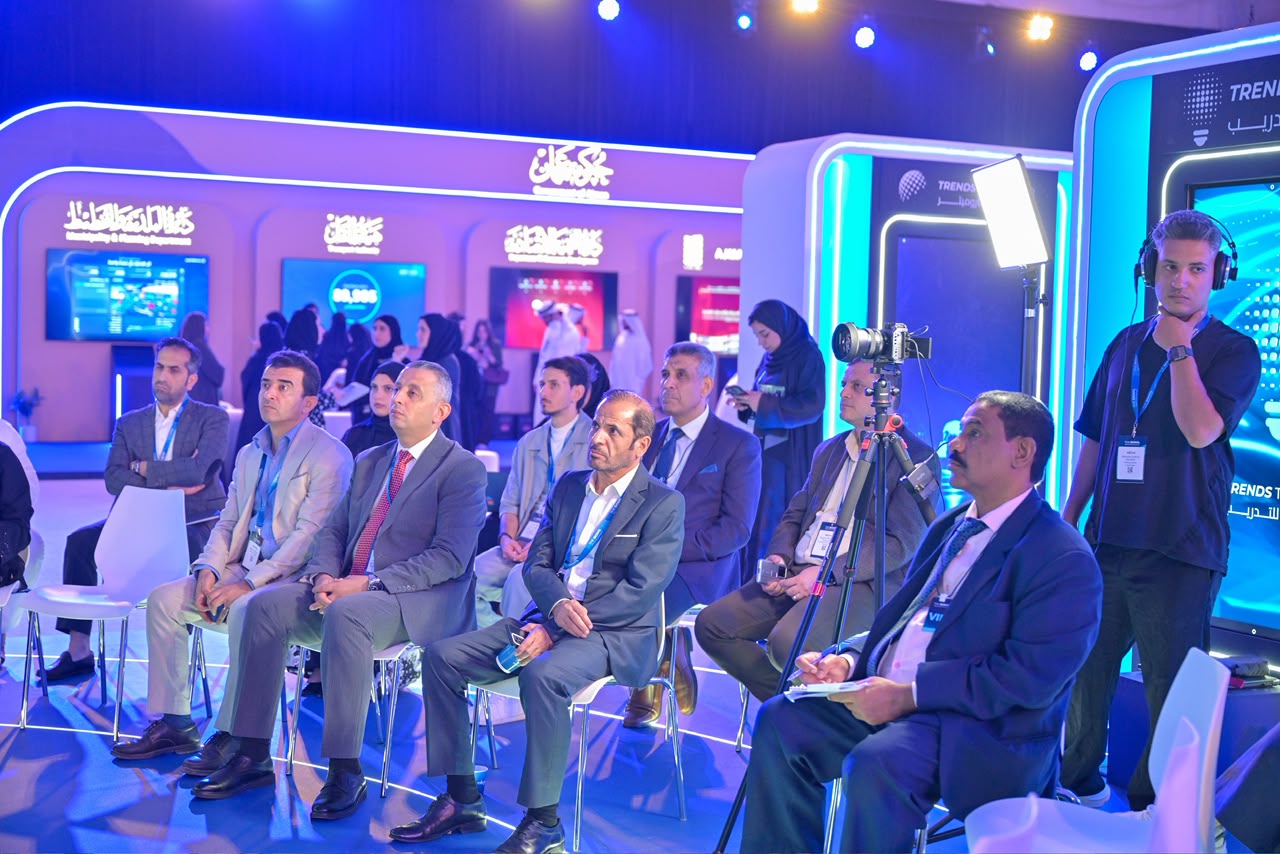
He addressed the limitations of AI and the importance of recognizing that it is a technology directed by humans, who remain responsible for how it is used and continue to play a role in thinking, verification, and decision-making. These limitations are less shortcomings of the technology than a reminder of the need for critical awareness in every interaction, ensuring users do not accept AI-generated outputs without scrutiny. The workshop aimed to help participants move beyond simply using AI toward mastering it, thereby strengthening their capabilities and enhancing their readiness and adaptability in a changing labor market. Mastery means consciously directing the technology, selecting appropriate tools, evaluating outputs objectively, and integrating these capabilities into professional and everyday contexts.
Adaptability, Flexibility, and Learning
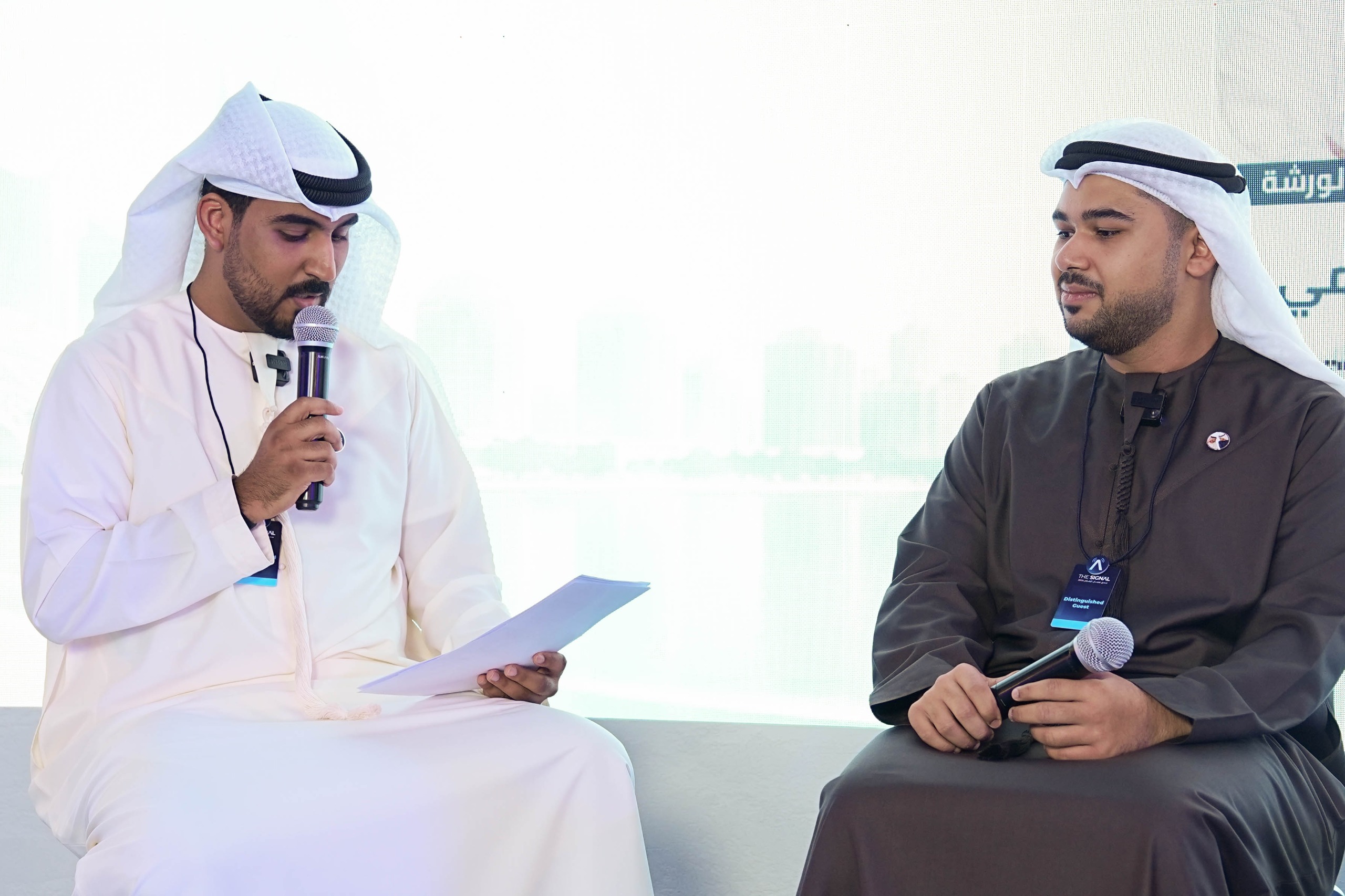
In a related session, Rawdha Al Marzouqi, a member of the TRENDS Youth Council, said during the workshop Generation of Transformation: From Anticipating the Future to Shaping It, moderated by Saif Al-Nuaimi, also a member of the TRENDS Youth Council, that the most important skills young people need to develop today are flexibility, adaptability, and continuous learning, particularly amid the rapid transformations taking place worldwide. An academic degree alone is no longer the primary measure of success or excellence in the labor market. Practical skills, experience, and the ability to develop professionally have become equally important as academic qualifications.
She emphasized the importance of education and encouraged young people to pursue further studies and additional academic degrees and qualifications. More importantly, however, this knowledge must be translated into practical skills through work, hands-on experience, and exposure to diverse opportunities. A person’s career path does not necessarily have to align with their academic specialization, as individuals may discover their passion and abilities in an entirely different field and achieve success and distinction in it. Al-Marzouqi noted that the TRENDS Youth Council is committed to encouraging young people to diversify their experiences, develop their skills, and participate in initiatives and projects that offer opportunities to learn and gain experience. She concluded that while an academic degree may open doors, skills, experience, and a willingness to keep learning make the real difference. The future requires not only young people who possess knowledge but also those who can apply it, adapt to change, and help shape what lies ahead.
Three Pillars for Creating Impact
Nasser Khalid Al-Harmoozi, a member of the Ajman Youth Council, said he believes that young people today lack neither ideas nor ambition. Instead, the real challenge lies in turning those ideas into tangible realities. He added that transforming youth councils from platforms for discussion into platforms for creating impact depends on three pillars: listening to young people’s needs, building effective partnerships, and measuring initiative outcomes.
He explained that the Ajman Youth Council launched the “Youth Voice” initiative to listen to young people’s aspirations and challenges and use its findings to design initiatives that respond to their actual needs. Regarding partnerships, he believes that youth debates help broaden the reach of initiatives and make them accessible to different segments of the youth population. He also stressed that measuring impact should not be limited to participant numbers but must include the extent to which objectives are achieved and results are sustained. Al-Harmoozi emphasized that the success of youth councils should not be measured by the number of initiatives they launch, but by their impact on society and their role in transforming young people from individuals with ideas into partners in shaping the future.
Creating Solutions and Shaping the Future
Warda Al-Menhali, a member of the TRENDS Youth Council, explained that moving from anticipating the future and predicting challenges to developing solutions and actively shaping what lies ahead requires young people to stop waiting for the future and start participating in creating it. Young people today have ambitious ideas and aspirations. Still, they sometimes wait for the right opportunity or complete support before taking action, when the starting point may be a simple idea or a small initiative. Addressing young people, she said: “Don’t wait until you’re an expert to get started. Get started so you can become an expert.” She added that the future is shaped not only by those who predict what will happen, but by those who dare to be part of what happens.
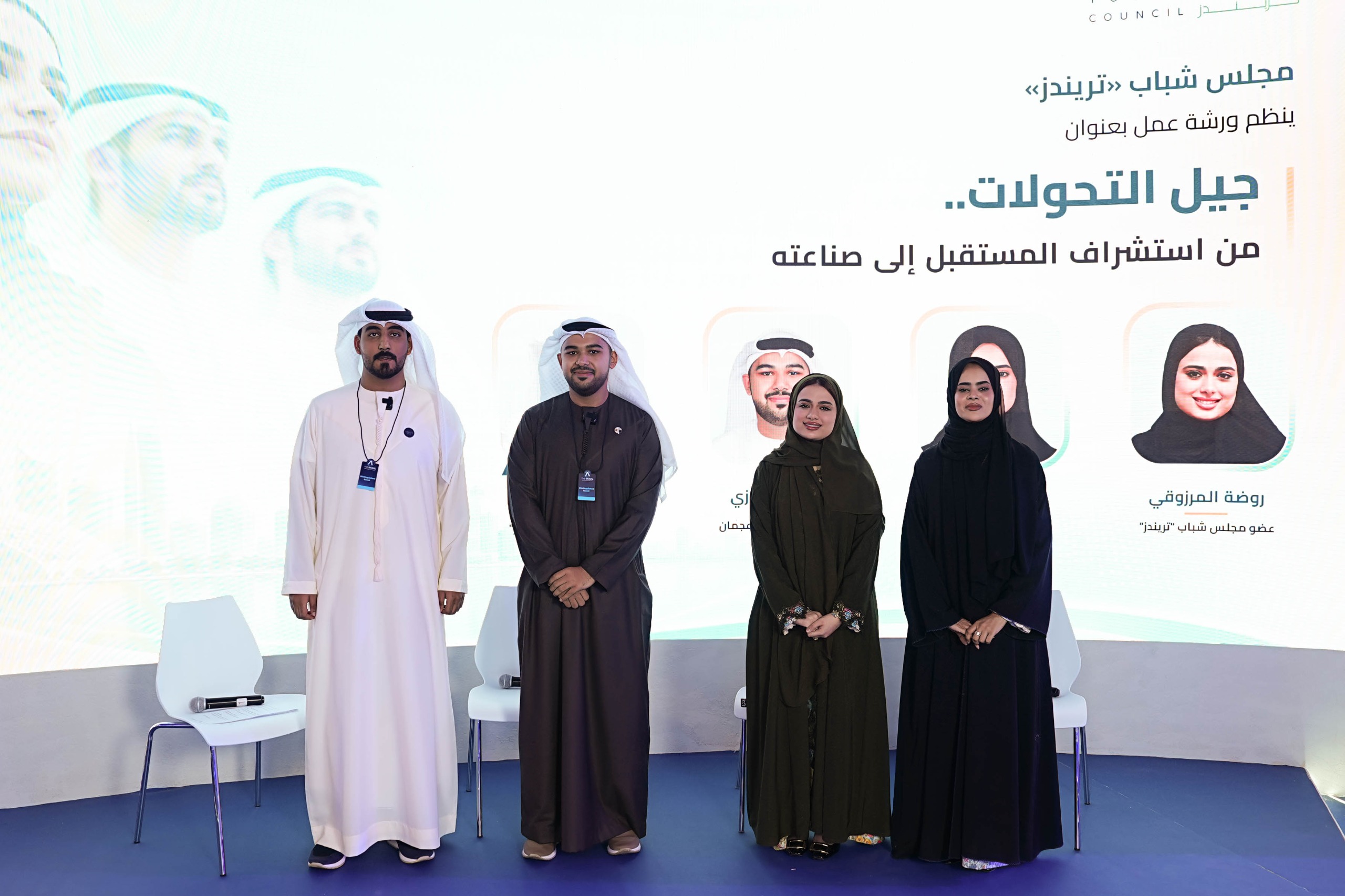
Al-Menhali said that if she had the opportunity to launch one initiative, she would introduce a program titled From Idea to Impact, aimed at empowering young people to transform their ideas into practical projects and solutions using artificial intelligence, scientific research, and innovation. The concept is to give young people opportunities, not just knowledge, by providing training, connecting them with experts and supporting organizations, and creating spaces where they can experiment with their ideas and put them into practice. She noted that young people today need more than people who prepare them for the future; they need those who give them the confidence, tools, and opportunities to shape it themselves.

