- Dr. Mohammed Al Ali: The consequences of war require a reassessment of deterrence concepts
- Mike Waltz: The Abraham Accords lay the foundations for a new regional order based on peace, sovereignty, and trade
- Dr. Ali Al Nuaimi: Sustainable security requires shared political will and a new regional order
- Admiral Brad Cooper: Building strong security systems requires effective partnerships and continuous coordination.
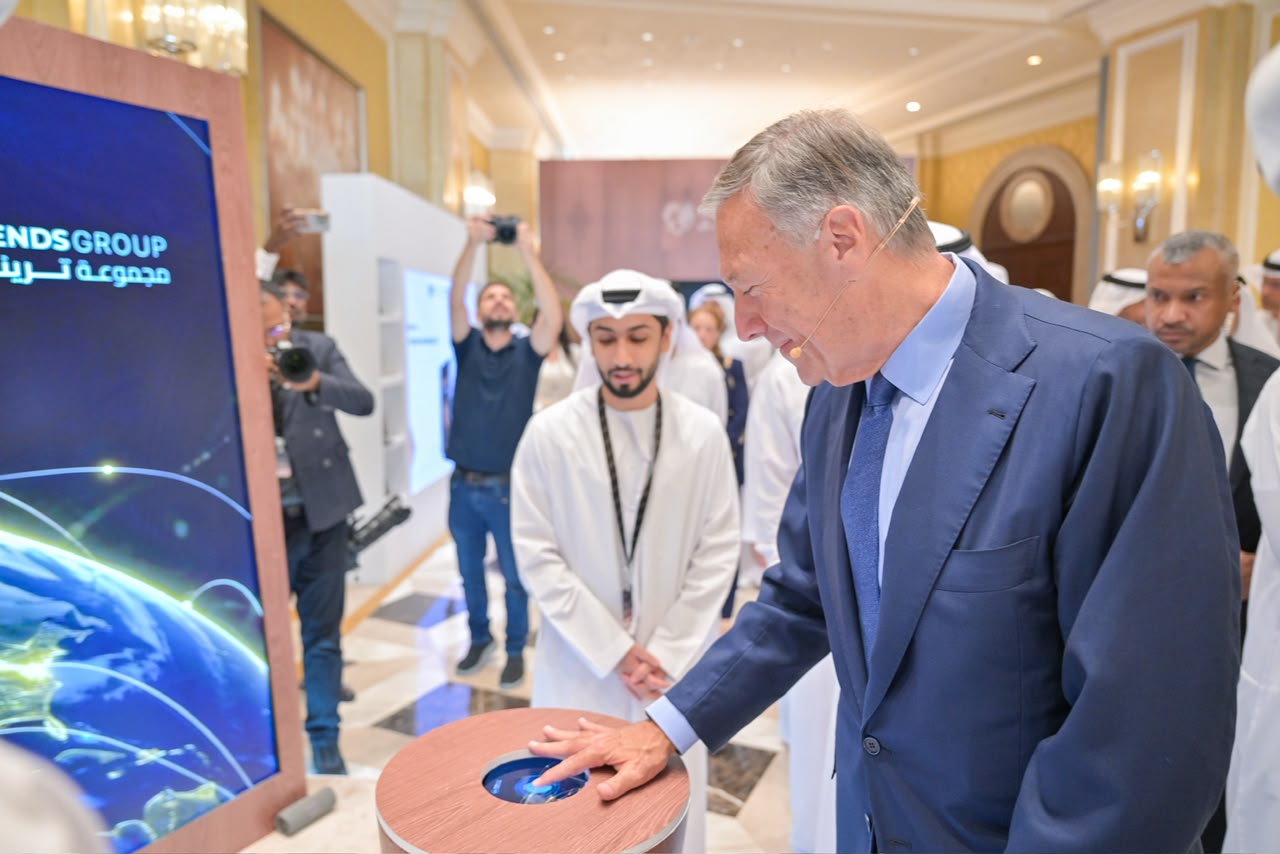
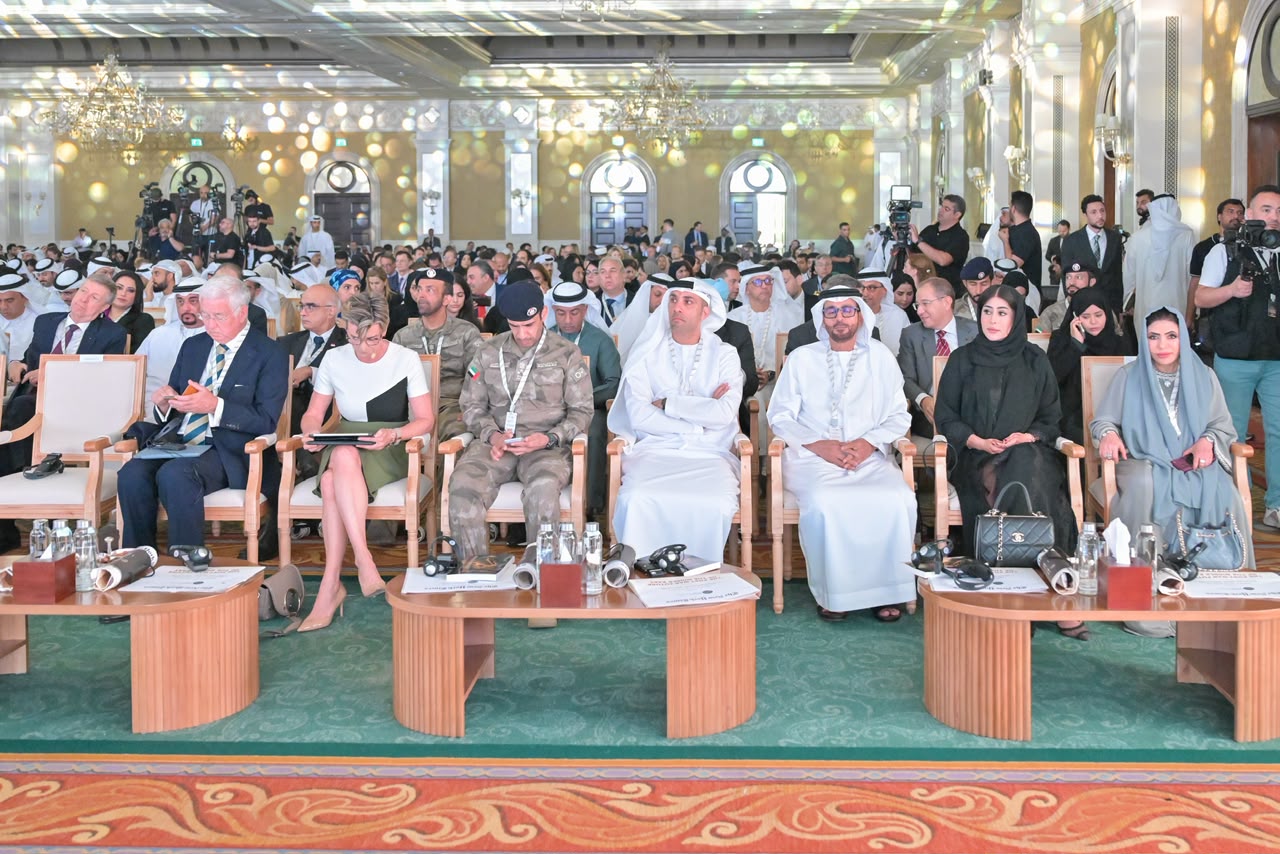
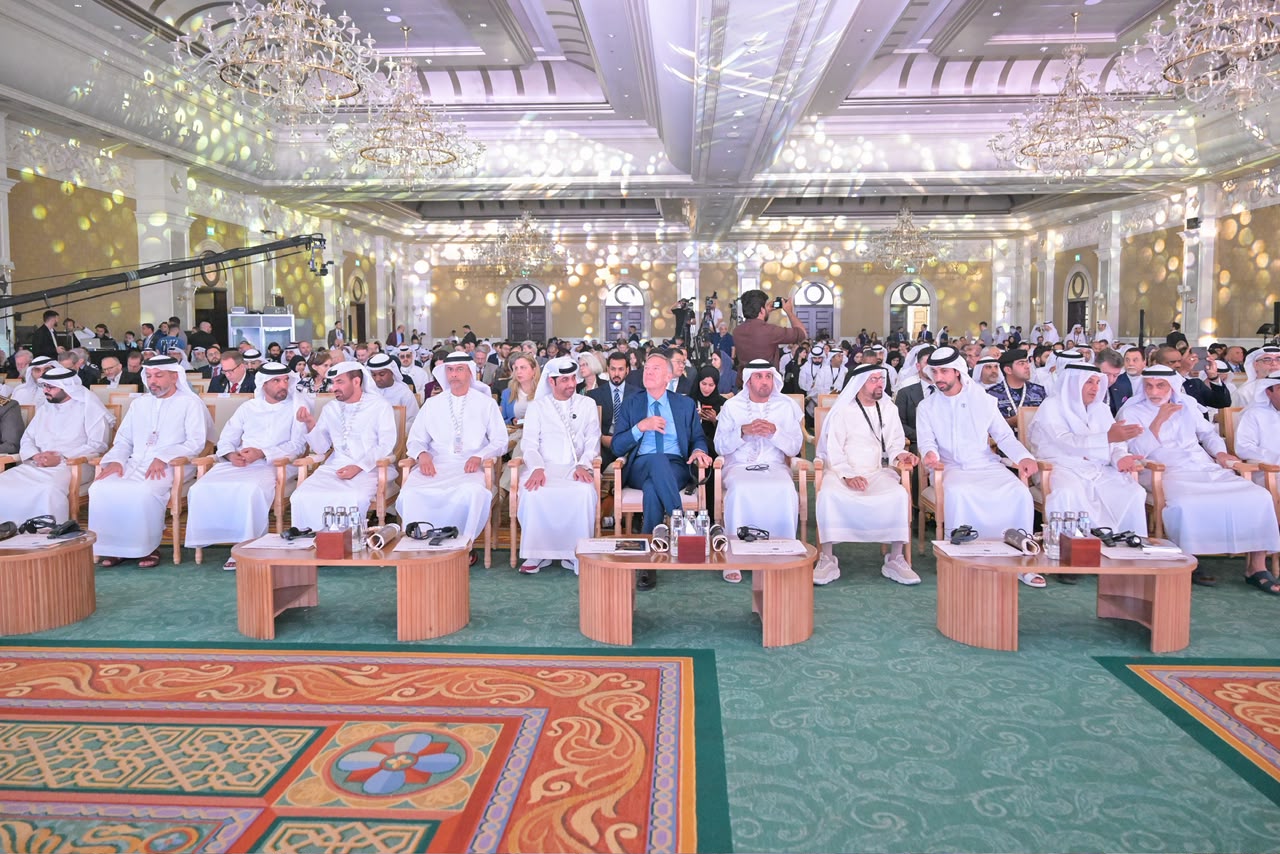
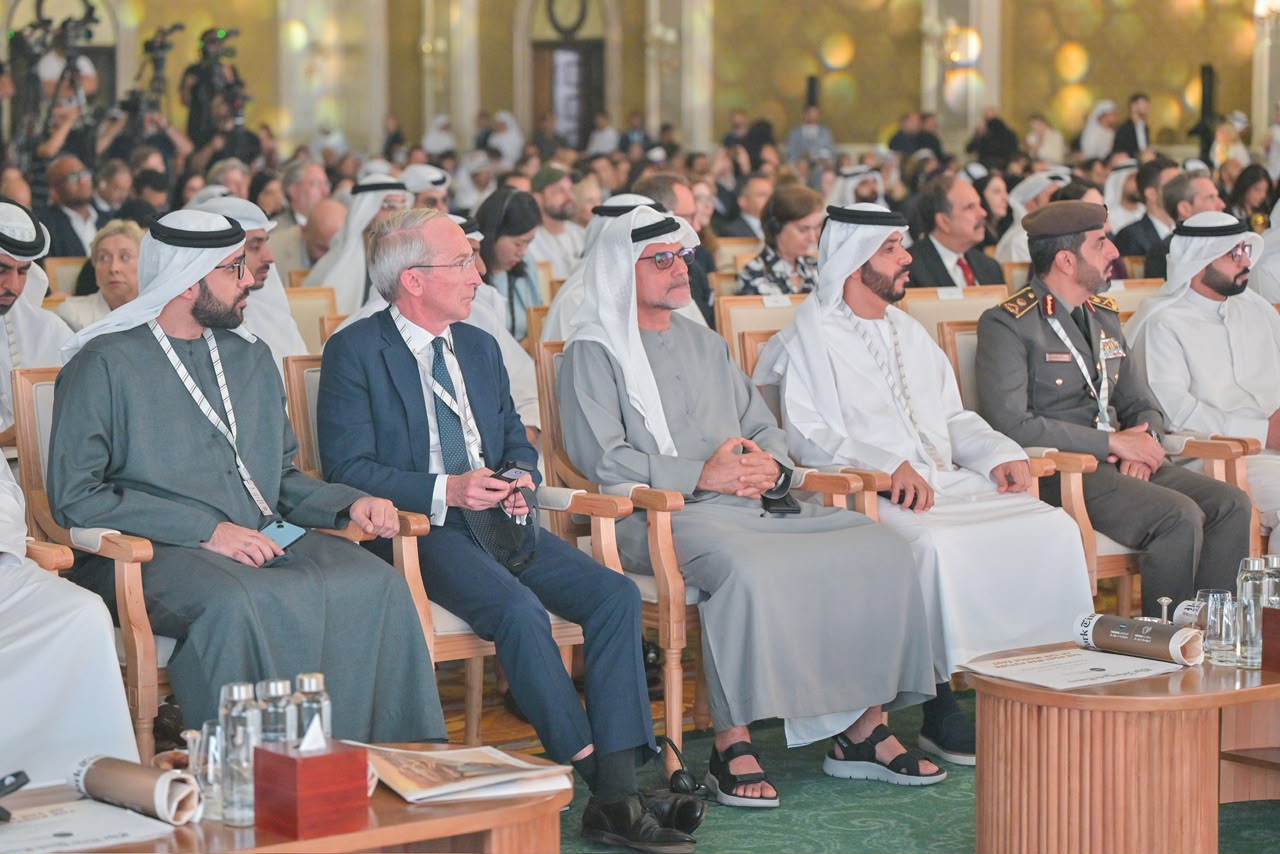
Organized by TRENDS Global, part of TRENDS Group, in coordination with its offices in 26 countries, the Sixth TRENDS Annual Conference 2026 opened on Monday (October 12) at the Ritz-Carlton, Abu Dhabi. Held under the theme Sustainable Security: The Future of the Middle East Beyond the War, the conference brought together senior officials, diplomats, academics, experts, and researchers from the region and worldwide.
The conference addressed regional transformations and the future of regional security and stability. Participants also examined how conflicts affect deterrence frameworks and strategic alliances, and the role of international partnerships and defense, economic, and technological cooperation in building a more stable and sustainable regional environment.
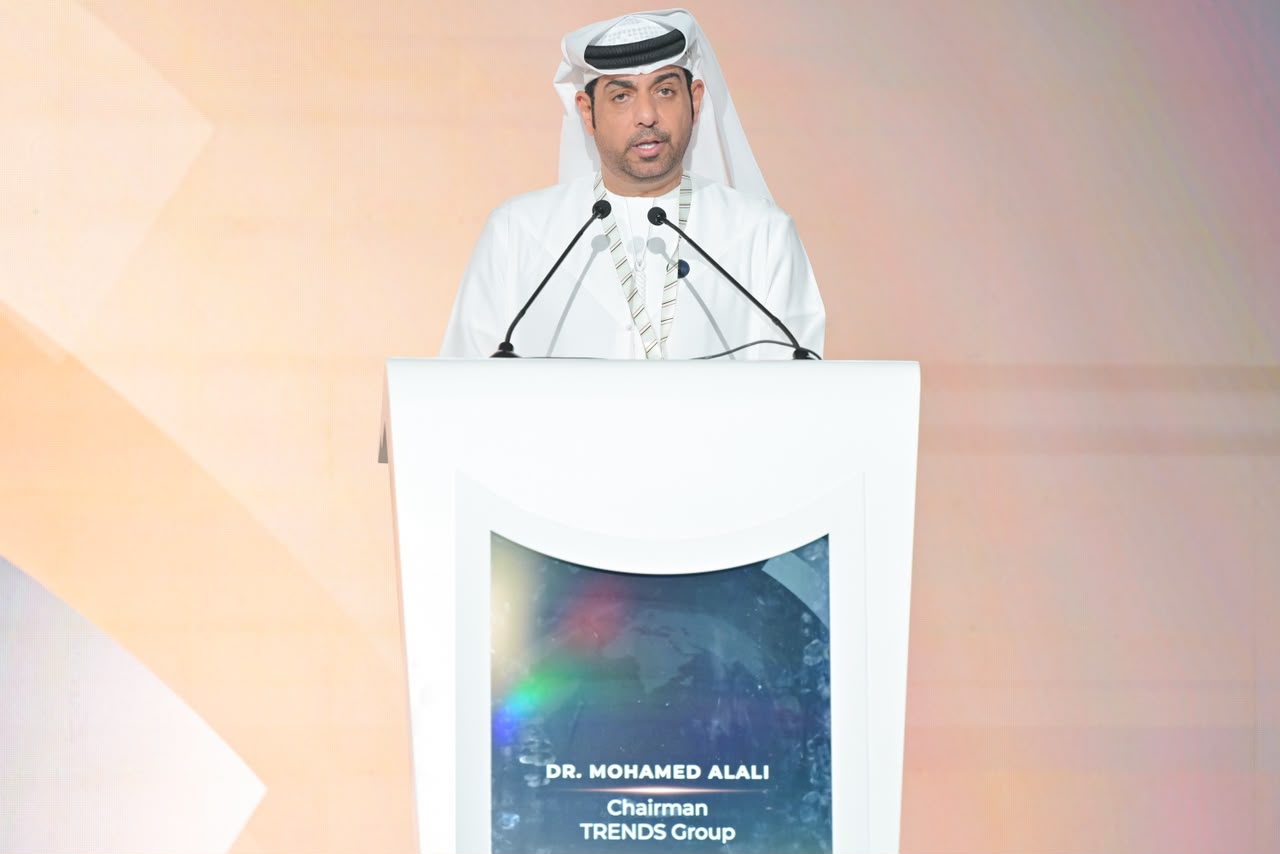
Dr. Mohammed Al Ali: The Importance of Research and Analysis
In his opening remarks, Dr. Mohammed Abdullah Al Ali, Chairman of TRENDS Group, stressed that the consequences of the United States-Israeli war on Iran necessitate reassessing the concepts of deterrence and regional security. He also called for new security arrangements and stronger strategic cooperation to support lasting stability in the Middle East.
Dr. Al Ali welcomed the participants, noting that transformations across the region had raised fundamental questions about the future of the regional security architecture, the direction of strategic partnerships and alliances, and countries’ ability to build a more resilient, effective system for responding to crises.
He highlighted the importance of strengthening energy security, trade, and supply chains, while balancing economic efficiency with strategic autonomy. He also underscored the need to address challenges in the information domain, including competition to shape public opinion and influence international perceptions during crises.
He explained that the region faces strategic choices between further fragmentation and prioritizing short-term interests versus developing new forms of cooperation that can establish sustainable stability. He emphasized the importance of dialogue and scientific analysis in understanding these transformations, anticipating their implications and developing more effective approaches to future challenges.
Dr. Al Ali reaffirmed TRENDS Group’s commitment to continuing constructive dialogue and advancing knowledge-based, analytical discussions to support development, prosperity, and peace in the region and around the world. He invited participants to attend the inaugural conference of the TRENDS Observatory for the Study of Social Phenomena and Changes, part of TRENDS Group, scheduled for November 12 in Abu Dhabi, and themed The Family at the Heart of Social Transformations.
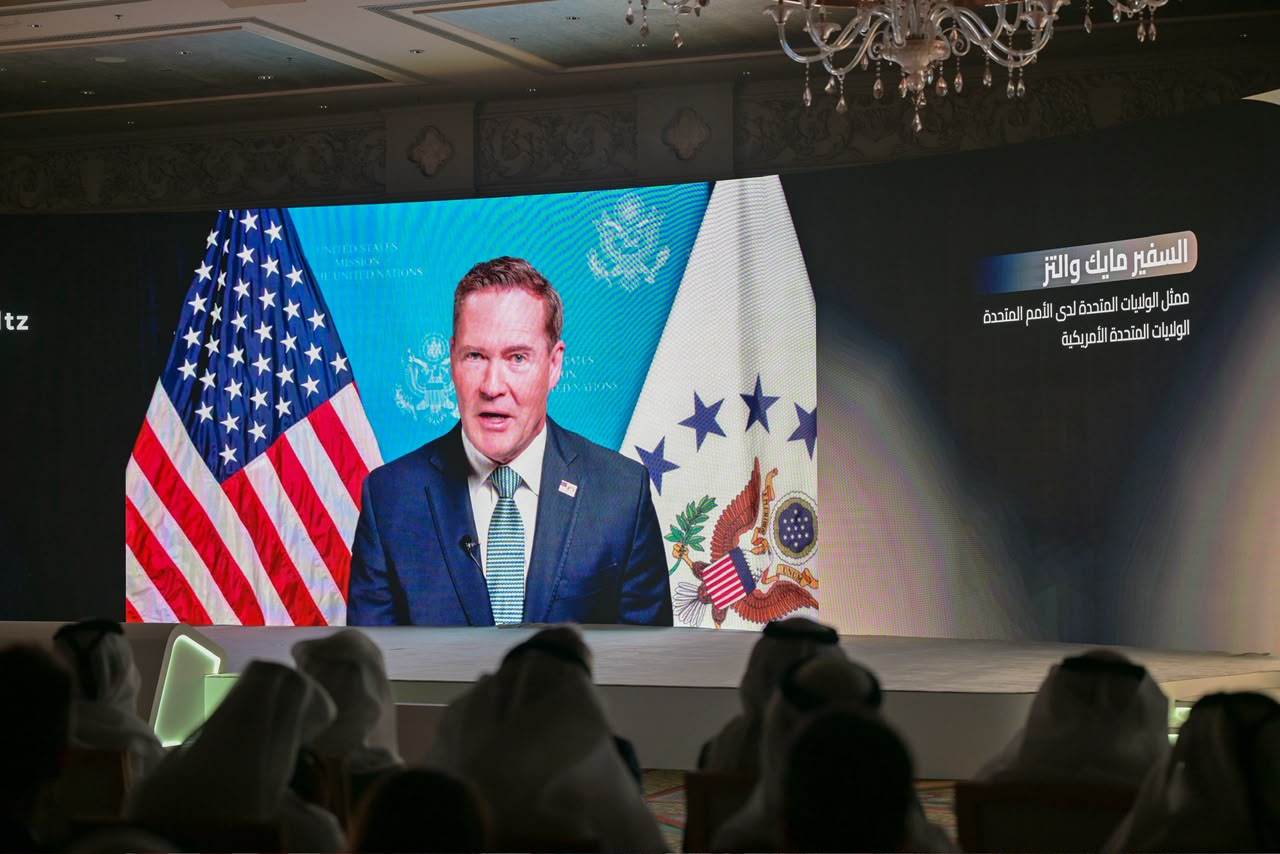
Mike Waltz: The Abraham Accords and a New Regional Order
Ambassador Mike Waltz, the U.S. Representative to the United Nations, affirmed that the Abraham Accords provide a foundation for a new regional order in the Middle East based on strength, sovereignty, trade, and peace. He noted that developments in the region during recent years have not undermined the Accords. Instead, they have reinforced the need for them and highlighted their importance in building a more stable future.
He explained that the Accords had shown resilience amid regional challenges, despite questions over their durability. He said the United Arab Emirates, Bahrain, Morocco, and Israel had shown that peace could be achieved and regional cooperation could expand even amid ongoing crises and conflicts.
According to Amb. Waltz, the transformations unfolding across the region reflect a decline in Iran’s influence and that of its proxy network, alongside a growing determination among several countries to restore national sovereignty, strengthen international relations, and expand economic and security partnerships. He cited developments in Syria, Lebanon, and Iraq, including efforts to rebuild relations with the U.S. and Arab states, strengthen state institutions, and broaden trade and investment cooperation.
He also highlighted international support for efforts to counter Iranian attacks, referring to the adoption by the United Nations Security Council of Resolution 2817, which condemned Iranian attacks against countries in the region and called for them to cease. He also pointed toward growing international support for positions that reject attacks on civilian maritime navigation. In his assessment, these developments reflect shifts in regional relations and strengthen opportunities for cooperation among regional countries in addressing shared threats.
Amb. Waltz stressed that the next phase requires building on the Abraham Accords’ achievements and expanding the number of countries that join them. He also referred to the United States’ efforts to consolidate the ceasefire in Gaza, advance the peace process, and support governance, security and reconstruction arrangements within the framework of United Nations Security Council Resolution 2803. He emphasized that expanding regional cooperation could deliver tangible benefits to countries and their peoples, underscoring the importance of continuing efforts to consolidate peace and stability.
The U.S. ambassador congratulated TRENDS Group on its 12th anniversary. He praised the Group’s role in bringing together expertise and ideas to address the region’s major challenges, emphasizing the importance of sustaining research and intellectual dialogue on the future of the Middle East.
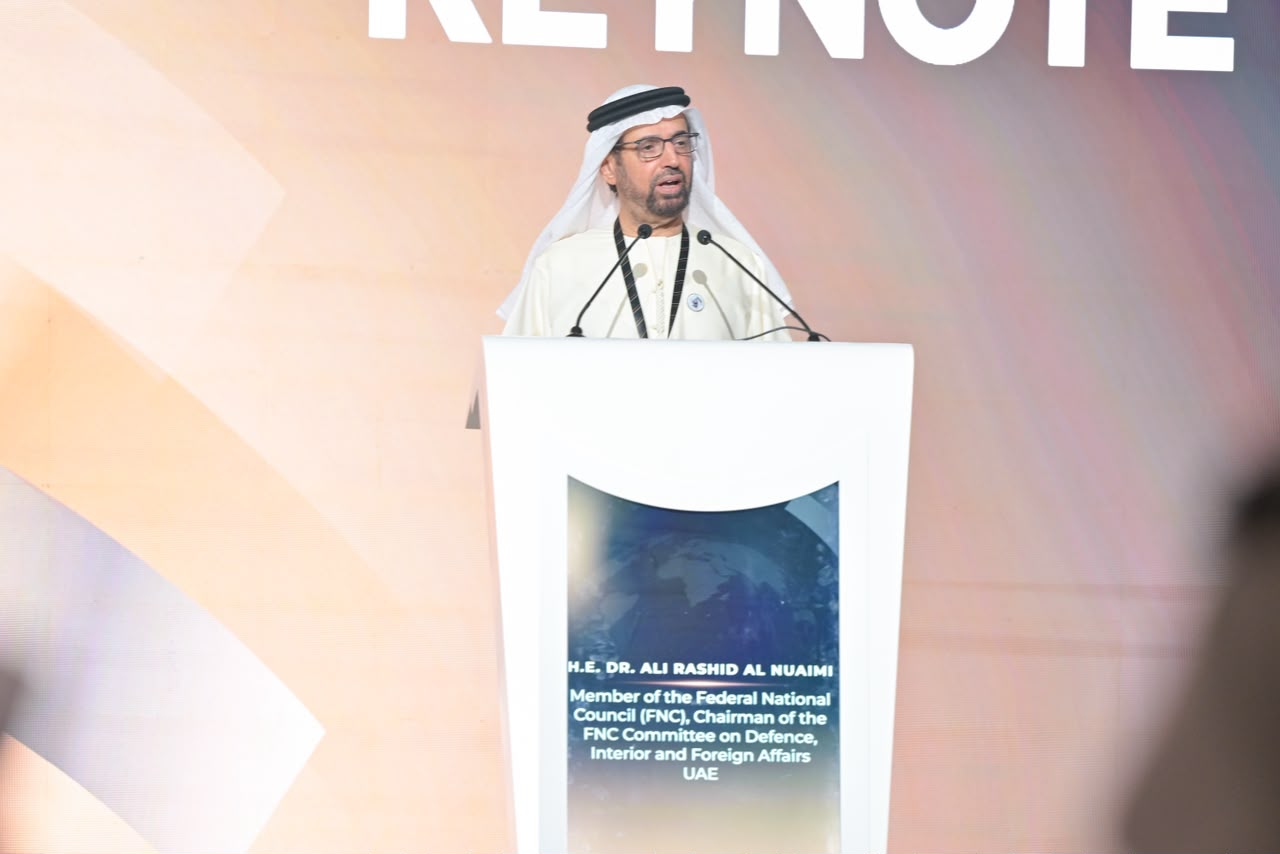
Dr. Ali Al Nuaimi: Sustainable Security Requires Shared Political Will and a New Regional Order
In his keynote address, H.E. Dr. Ali Rashid Al Nuaimi, Member of the Federal National Council and Chairman of its Defense, Interior and Foreign Affairs Committee, stressed that achieving sustainable security in the Middle East requires shared political will, addressing the root causes of crises, and building a new regional order capable of making peace and consolidating stability.
Dr. Al Nuaimi explained that understanding today’s security challenges requires examining the roots of the crises that have undermined the region’s security and weakened its foundations for stability. He noted the succession of conflicts and crises, observing that one war often begins before another has fully ended. He said this makes it essential to address the underlying causes of crises rather than merely managing their consequences.
He emphasized the need for political leaders who believe in coexistence and recognize that security and stability require the participation of all parties without exclusion or marginalization. He observed that political discourse often emphasizes peace, partnerships, and enhanced security, but translating these principles into action requires a genuine commitment to building a region where all can enjoy security, stability, and prosperity.
On social media, Dr. Al Nuaimi explained that these platforms can help build bridges and strengthen communication among peoples, but can also inflame disagreements and deepen divisions. He stressed the need for transparency in addressing regional challenges and for tackling the root causes of problems rather than merely their outward manifestations. He said the region’s countries and peoples share a common destiny and future, and their security and stability are interconnected and inseparable.
Dr. Al Nuaimi also discussed the UAE’s experience in responding to regional conflicts and divisions. He noted that UAE leadership decisions opened new avenues for dialogue and helped establish common ground for peace, serving Palestinians, Israelis, and all the peoples of the region.
Overcoming the deadlock and insularity that obstruct political settlements, he explained, requires genuine political will and the courage to make decisions. He said security, stability, and prosperity are interconnected, and achieving them requires a comprehensive approach that includes all regional parties. He also cautioned against relying solely on external will to achieve stability or overlooking the region’s realities, challenges, and risks, warning that such approaches could prolong and exacerbate crises.
Dr. Al Nuaimi emphasized the need for a new regional security order based on respect for state sovereignty and independent decision-making, rejection of dependency, prioritization of vital national interests, and stronger cooperation and shared responsibility. He stressed that genuine peace cannot be achieved through declared positions alone; it requires serious political will, practical commitment, and a comprehensive regional partnership that safeguards security and stability and protects the future of the region’s peoples.
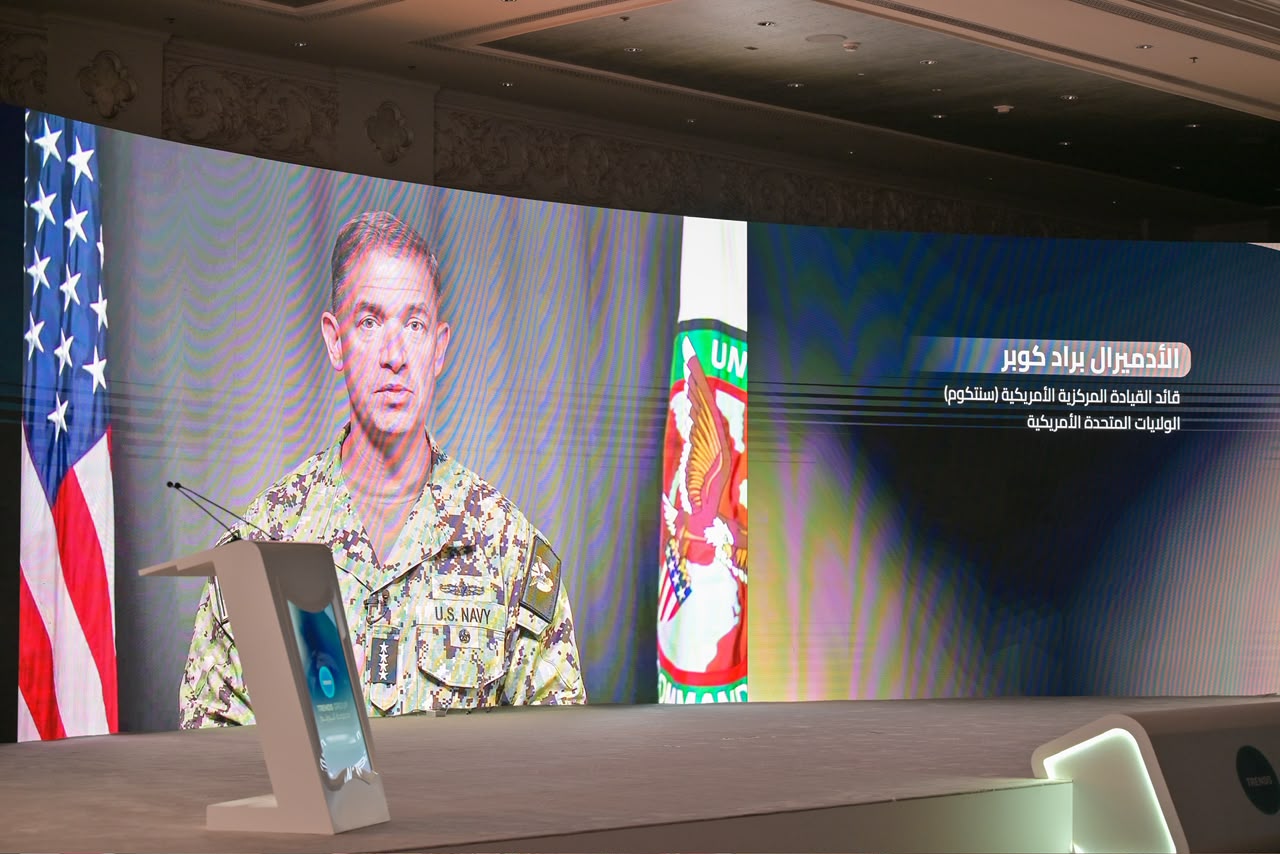
Admiral Brad Cooper: Partnerships and Coordination Strengthen Security
In a recorded keynote address, Admiral Brad Cooper, Commander of the U.S. Central Command (CENTCOM), stressed that sustainable security requires robust security systems, stronger regional and international partnerships, and more effective mechanisms for joint action. He explained that security is measured not only by countries’ ability to respond to crises, but also by their readiness to build an integrated system that ensures long-term stability.
Admiral Cooper noted that innovation, research, and effective partnerships are fundamental pillars of change and enhanced security. He emphasized that sustainable security goes beyond holding conferences; it requires building strong institutions, strengthening cooperation, and developing shared leadership to address security challenges.
He added that the U.S. Central Command focuses on strengthening regional partnerships, enhancing security connectivity and cooperation, and ensuring continuity in coordination and joint action. He said these efforts improve the ability to address threats before they escalate and support peace and innovation across the Middle East.
Admiral Cooper stressed that working alongside regional partners and cooperating closely with them are fundamental to strengthening shared security capabilities. Countries are stronger when they combine their efforts, he said, and sustainable security requires long-term commitment and continuous coordination that goes beyond responding to emergencies.
He also noted that joint efforts have moved security cooperation beyond discussing concepts and principles toward practical implementation, including exercises, operations, and the development of initiatives. He said these efforts support a more stable and effective regional and international security architecture.
He further emphasized that genuine partnership extends beyond training and operations to include shared leadership, unified efforts, and complementary roles, all essential to ensuring the success of security initiatives and achieving their objectives.
Admiral Cooper concluded by underscoring the importance of continued cooperation among countries and regional and international partners. He expressed hope of strengthening existing partnerships and expanding joint action to help build a safer, more stable future for the region and the world.
The conference’s four sessions commenced following the keynote addresses.