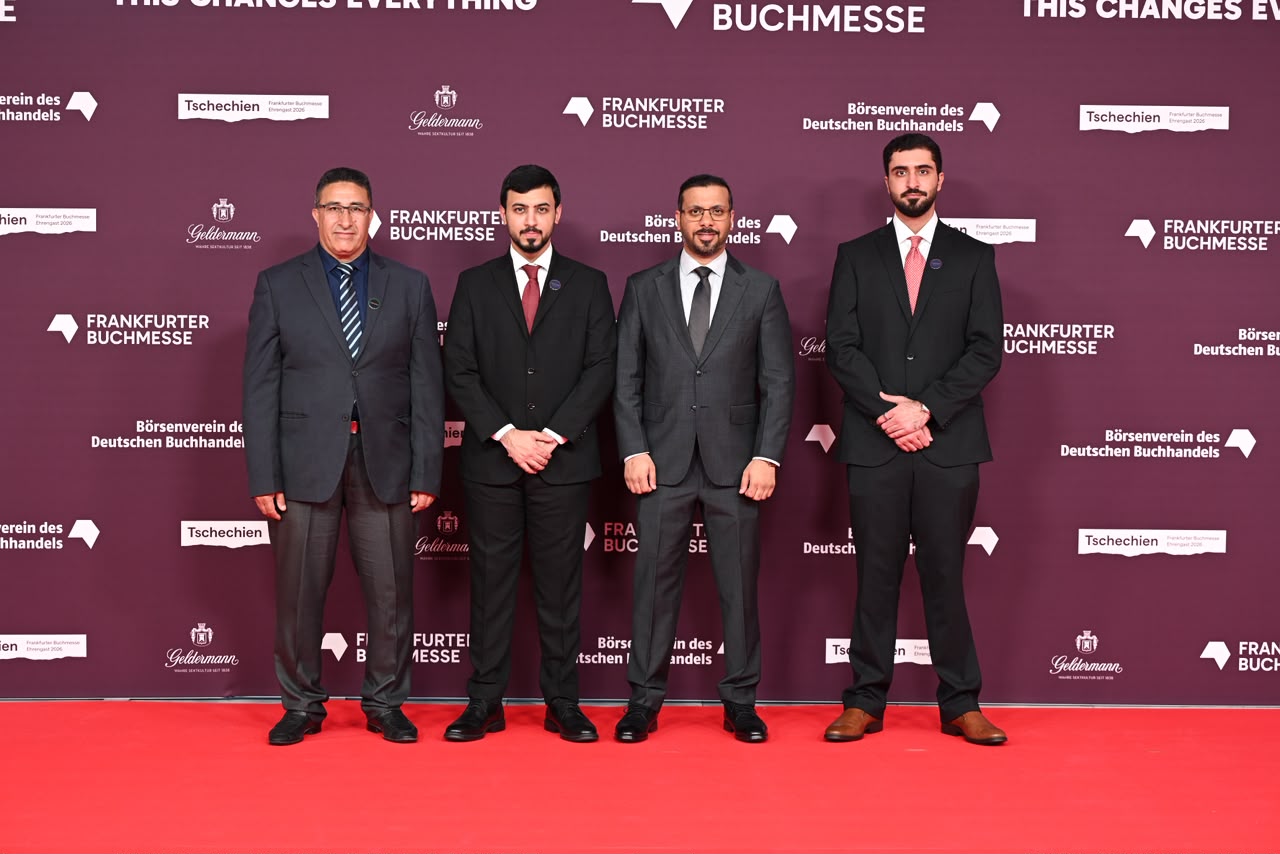
TRENDS marked its participation in Frankfurt Book Fair 2026 with a seminar discussing the book Political Islam: A Hybrid Threat to Europe – The Muslim Brotherhood’s Civilization Jihad.
TRENDS Research & Advisory, a TRENDS Group company, marked its sixth participation in Frankfurt Book Fair 2026 with a seminar discussing the book Political Islam: A Hybrid Threat to Europe – The Muslim Brotherhood’s Civilization Jihad. Organized through TRENDS virtual office in Germany, the event also featured the launch of the German edition of the Muslim Brotherhood International Power Index, in collaboration with the European Institute for Counter Terrorism and Conflict Prevention (EICTP).
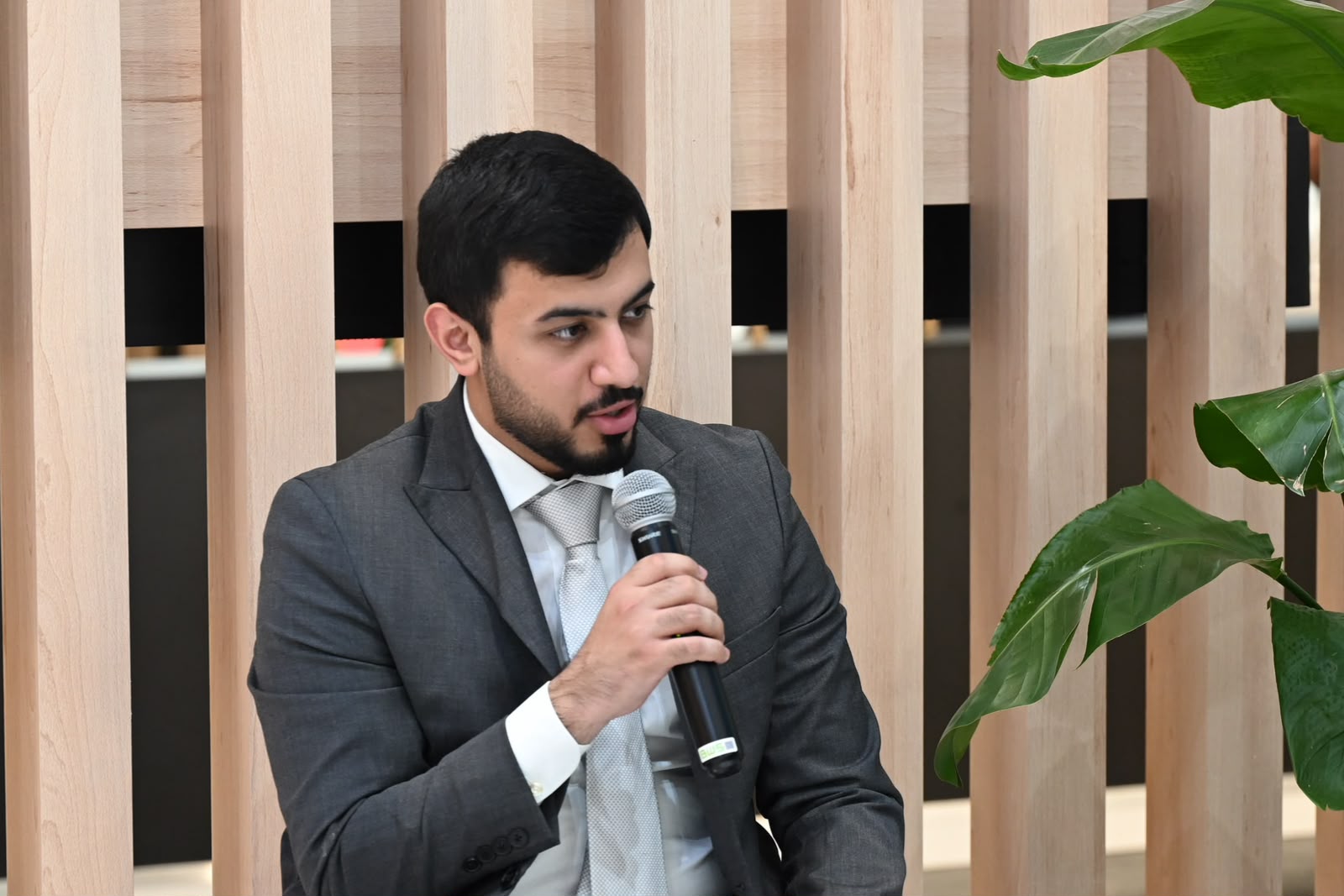
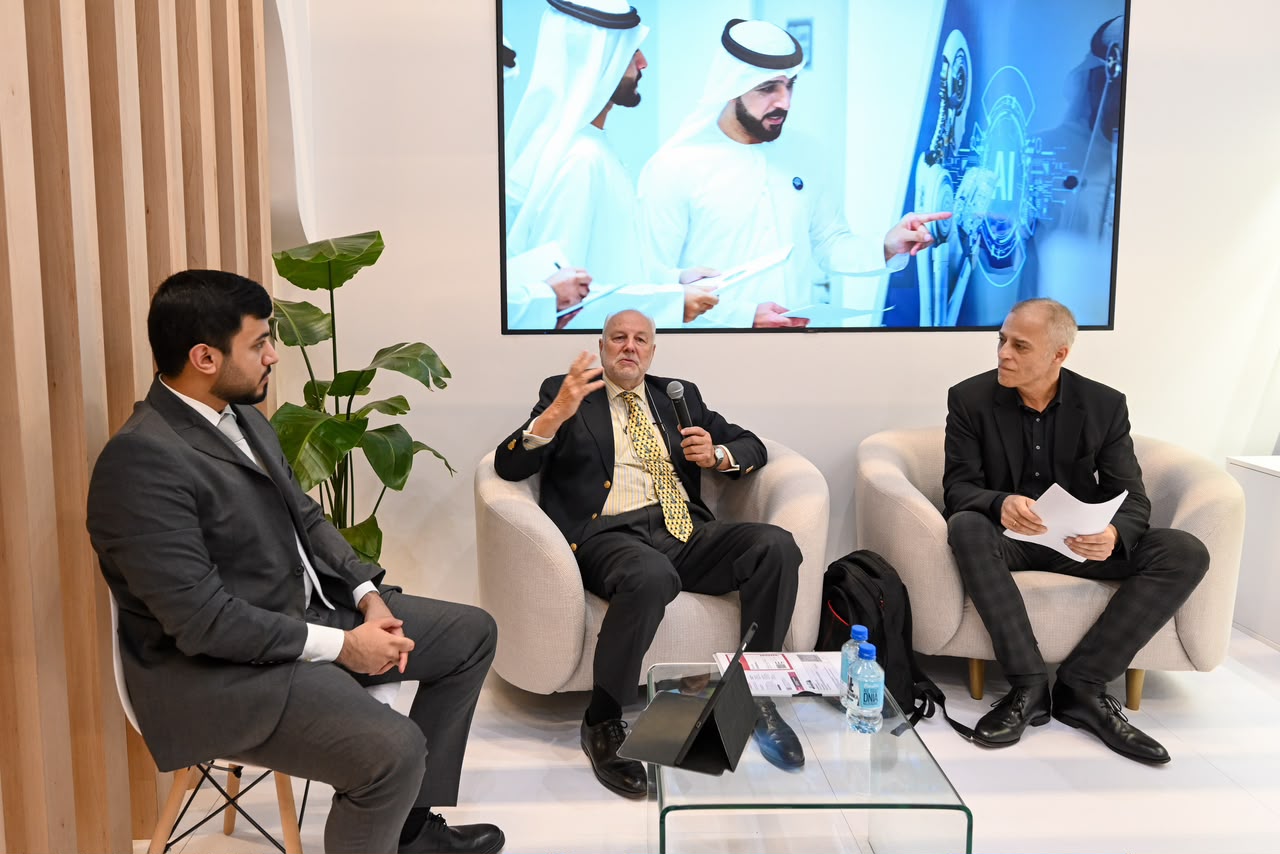
The seminar was held at the TRENDS pavilion at Messe Frankfurt, Germany, and moderated by Obaid Al-Kaabi, Researcher at TRENDS Research & Advisory. Speakers included Heiko Heinisch, an expert and co-author of the book, and retired Brigadier General Gustav Gustenau, Secretary-General of the EICTP.
A Long-Term Strategy
Heiko Heinisch, an expert and co-author of the book, said that the publication draws a comparison between the Muslim Brotherhood’s strategy over nearly a century of activity and the concept of hybrid warfare, which has traditionally been used to analyze state strategies involving tools and methods that transcend conventional boundaries between war and peace and between state and non-state actors.
He explained that the book focuses on the Muslim Brotherhood because it is one of the oldest and most widespread international organizations associated with political Islam and has maintained long-term objectives, an identity and a strategy since its establishment. He noted that the analysis draws on writings and documents produced by the group’s leaders, including internal strategic documents, publications and statements by some of its most prominent ideologues.
Civilization Jihad
Heinisch explained that the book focuses on what its authors describe as “civilization jihad,” a process of gradually building influence within societies by operating across a broad range of fields rather than relying on conventional military means. The book identifies 11 areas of activity, including culture, ideology, organization, the Muslim community and society as a whole, education, government institutions, communication and media, the economy, alliances, and confronting opponents of political Islam. It also examines the tools the group uses to achieve its objectives.
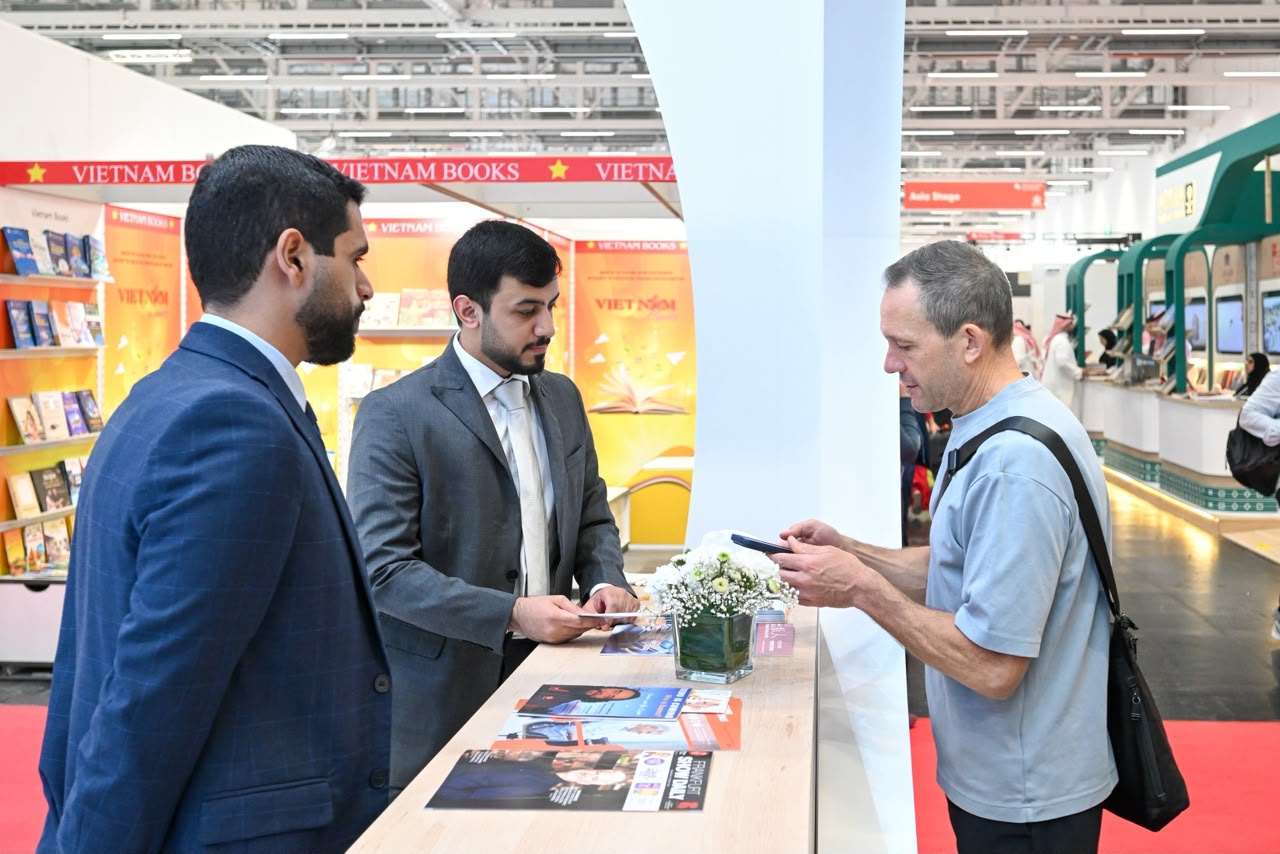
Heinisch also outlined the book’s proposed stages of what it characterizes as a hybrid strategy, beginning with stabilization and the establishment of organizational structures in Europe, followed by preparation and influence-building, and then destabilization. The final two stages, open confrontation and transformation, are presented as hypothetical future scenarios.
Hybrid Threats
Retired Brigadier General Gustav Gustenau, Secretary-General of the EICTP, emphasized that hybrid threats involve operating in grey areas where the boundaries between political, social, and security domains are difficult to distinguish. This can make it harder to identify the nature of a threat and the actors responsible.
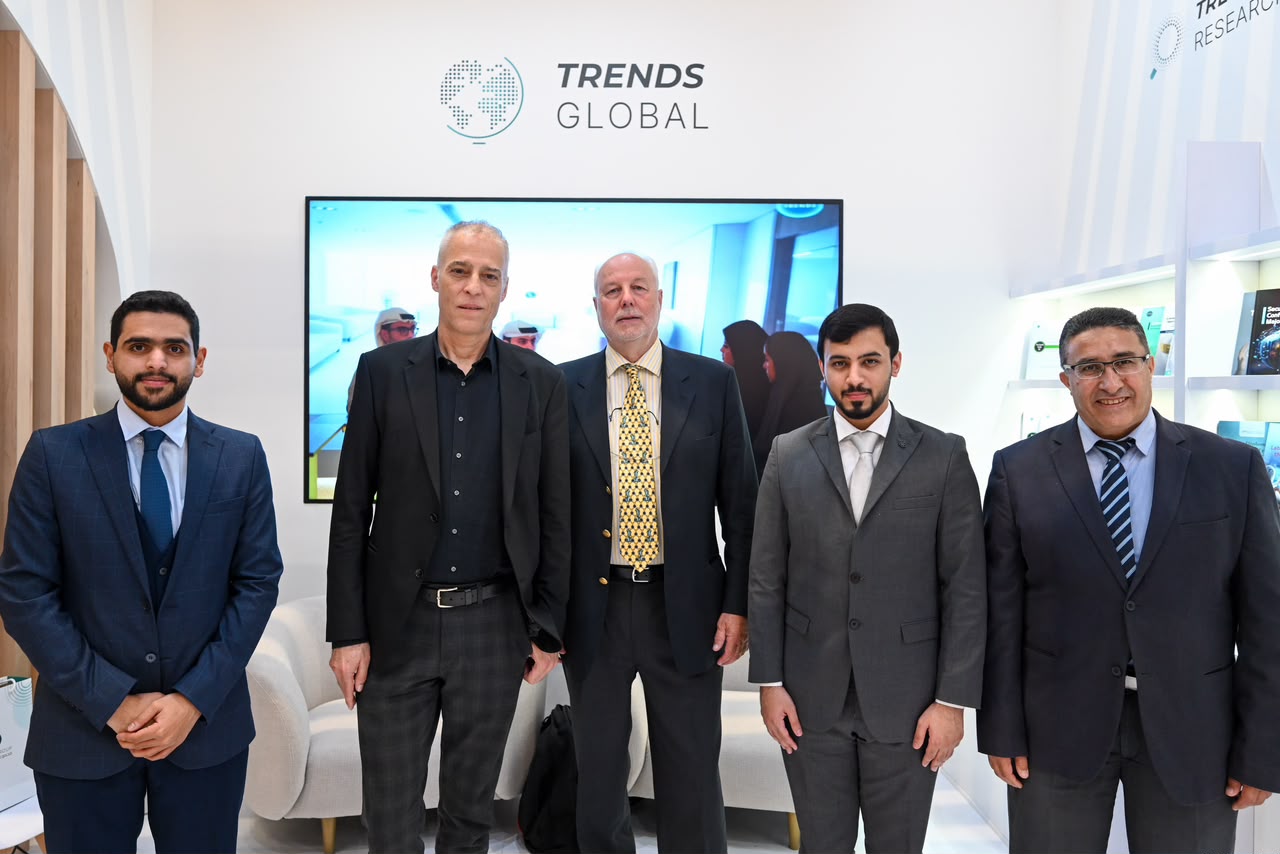
He discussed the challenges European countries face in dealing with political actors operating within legal and institutional frameworks. He noted that state instruments and security mechanisms are more clearly defined when confronting violent organizations, whereas dealing with non-violent actors or those operating legally presents greater institutional and political complexities.
The discussion also addressed the implications for European societies and the importance of developing research and security approaches that can understand long-term patterns while distinguishing legitimate political activity from practices that may conflict with the principles of democratic governance.
The book presents a systematic analysis of the Muslim Brotherhood in Europe from a security policy perspective. It examines the dimensions and methods of what the authors characterize as the group’s long-term strategy, pursued under the cover of civil society activities and described as “civilization jihad,” aimed at gradually influencing and reshaping pluralistic democracies.
A Flexible Network Model
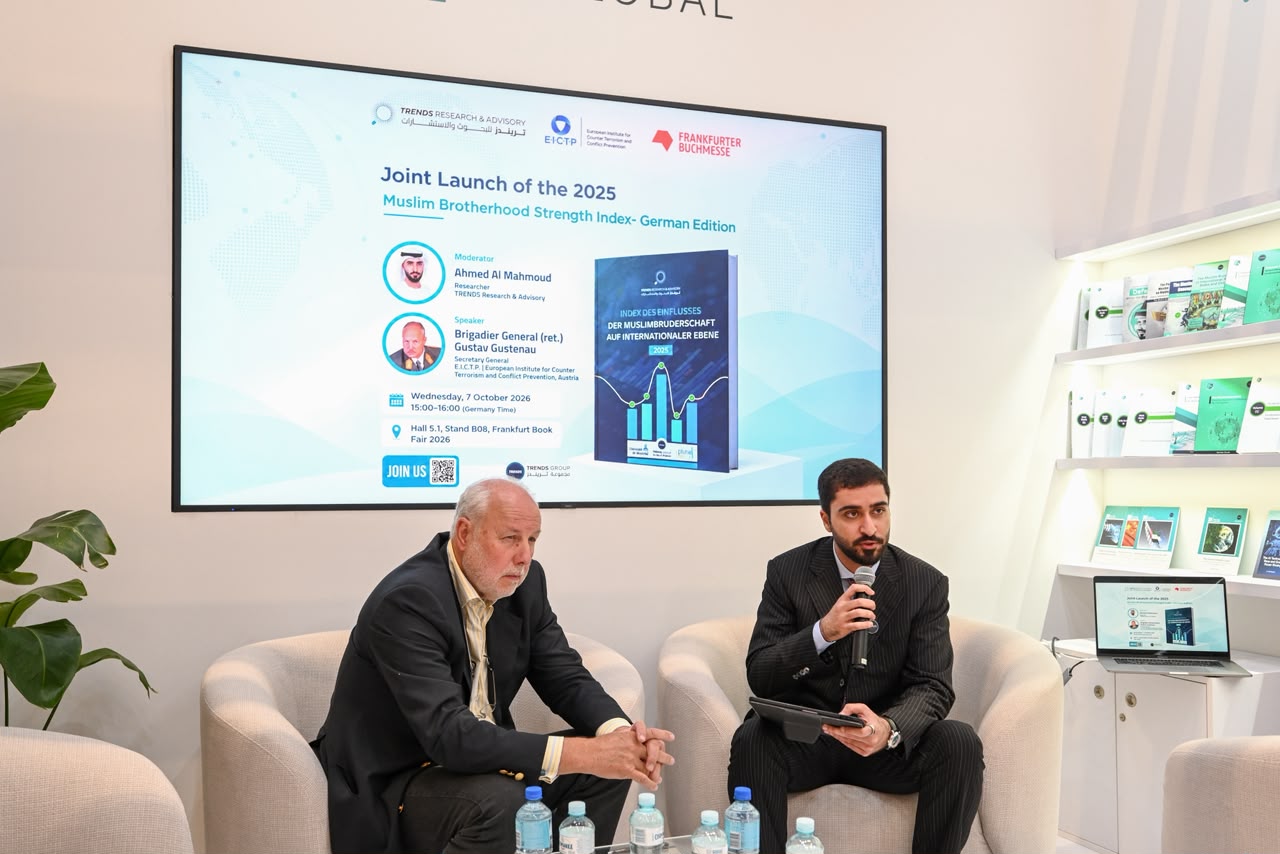
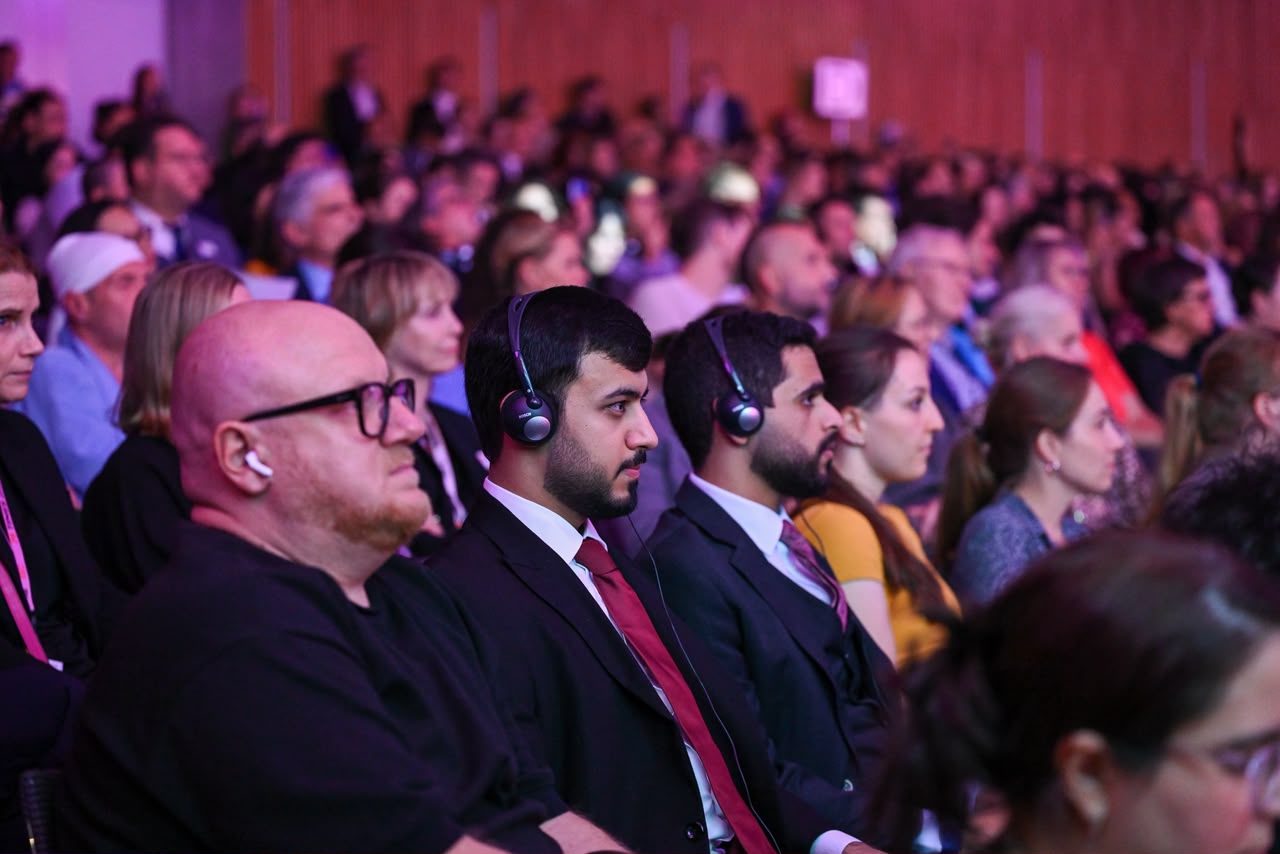
In a related event, TRENDS Research & Advisory, in collaboration with the EICTP, organized a panel discussion after launching the German edition of the Muslim Brotherhood International Power Index. Ahmed Al-Mahmoud, a Researcher at TRENDS Research & Advisory, moderated the session, which featured retired Brigadier General Gustav Gustenau, Secretary-General of the EICTP.
The index aims to provide objective and reliable assessments of the Muslim Brotherhood’s ability to achieve its objectives, exert influence, and shape its future trajectory. It also seeks to identify early indicators of current and future developments in the group’s international power. According to the index, the findings indicate a decline in the Muslim Brotherhood’s power and a shift from a traditional political organization toward a more flexible network model that relies on social, media, and symbolic influence. The index attributes this decline to internal divisions, leadership struggles, mounting legal and security pressures, and the erosion of the group’s media credibility.
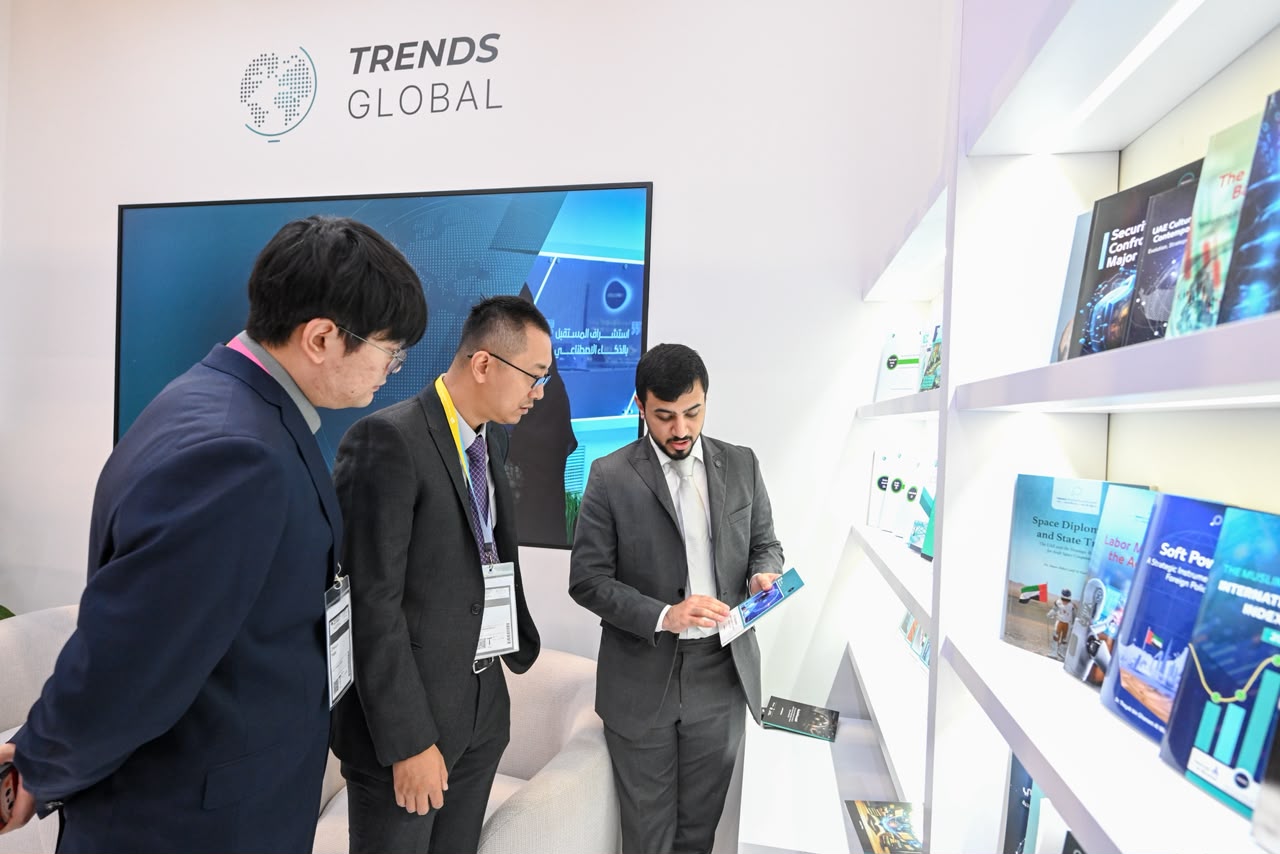
The launch of the German edition of the Index aims to make its findings and methodology accessible to a wider audience of researchers, academic institutions, and research centers in Germany and across Europe, while fostering scholarly debate on political Islam and its associated organizations and movements, drawing on research tools and indicators that enable analysis and comparisons across different countries and arenas.