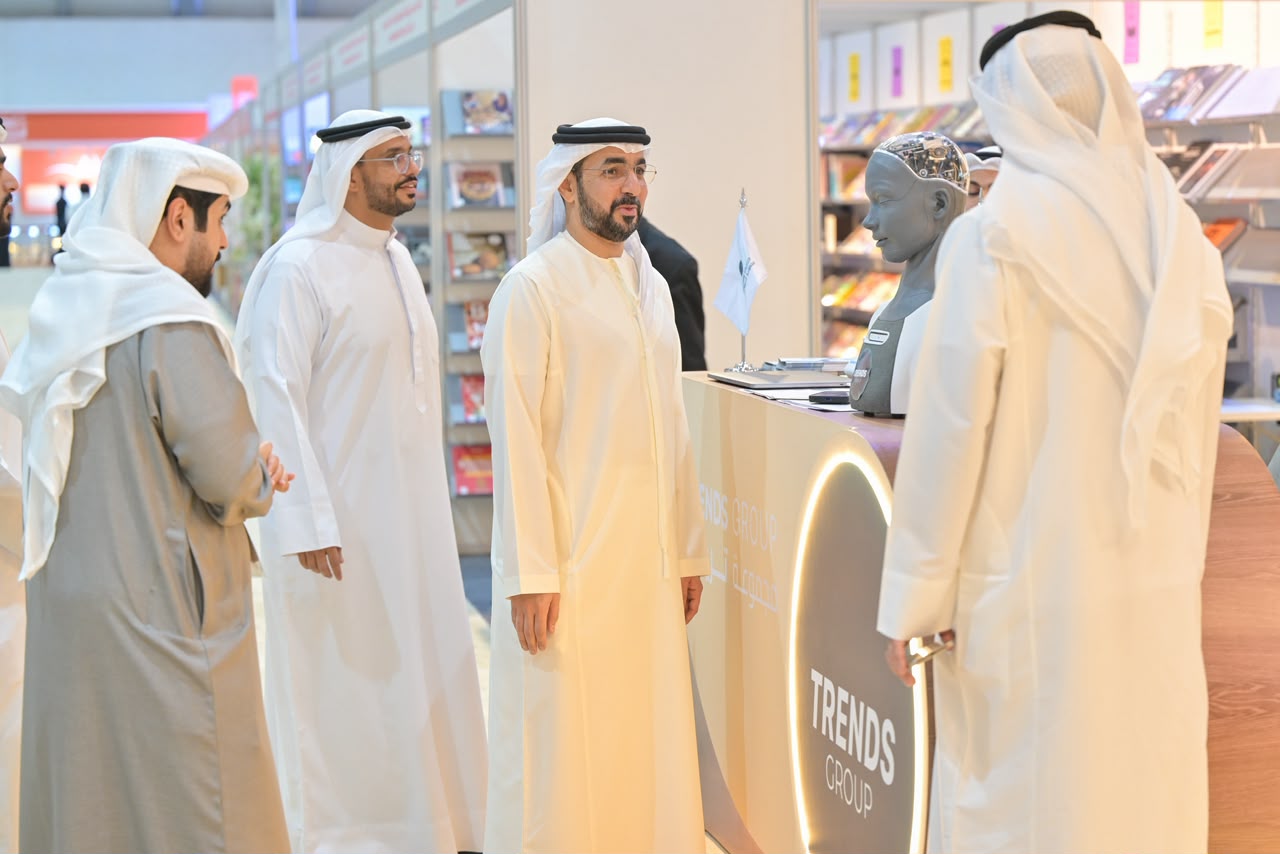
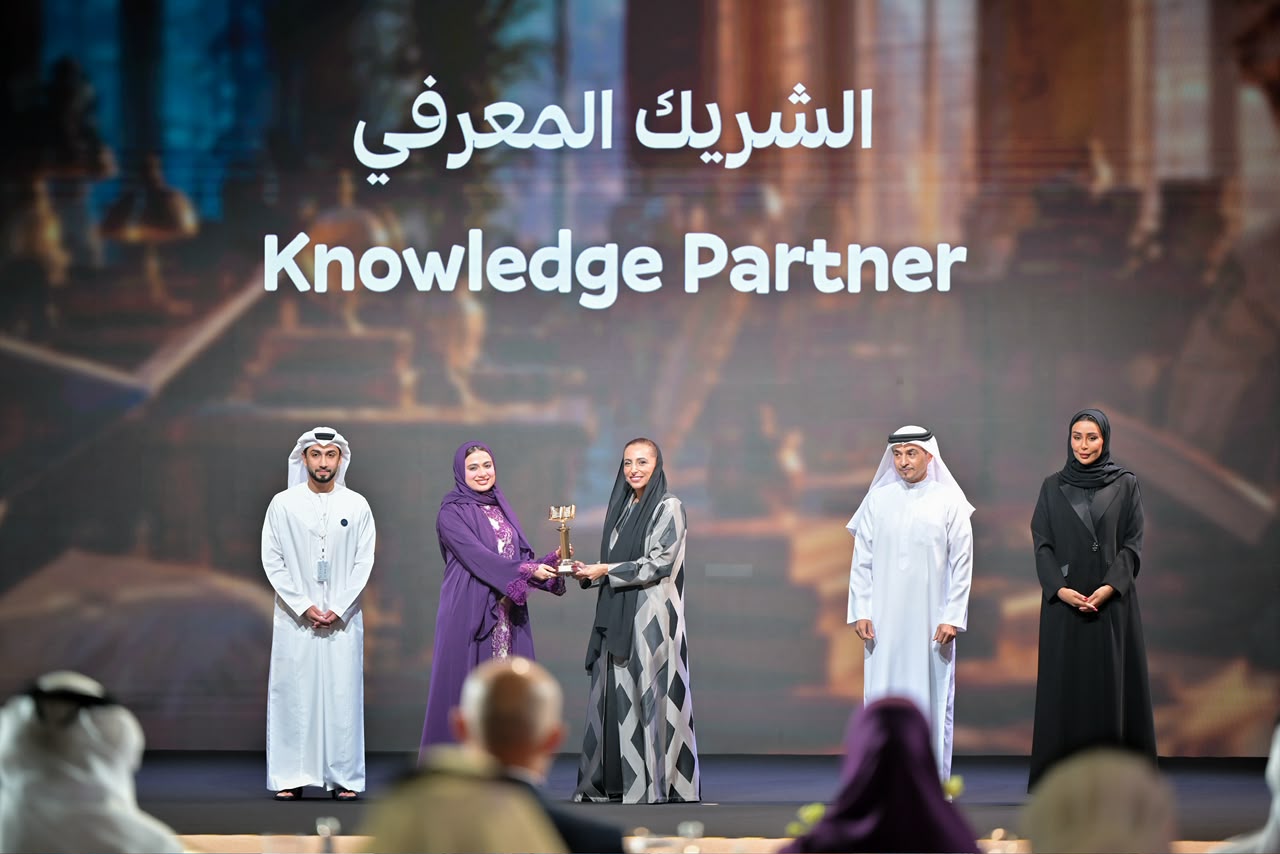
TRENDS Group kicked off its participation in the 2026 Sharjah International Book Fair as the Knowledge Partner of its 45th edition, held under the theme “Made of Stories” and running until November 15 at Expo Center Sharjah. The Group’s stand welcomed a diverse range of visitors, who admired its wide selection of publications and its research, knowledge, advisory, and training services. H.H. Sheikha Bodour bint Sultan Al Qasimi, Chairperson of the Sharjah Book Authority, also honored TRENDS Group for its role as the Knowledge Partner of the Sharjah International Book Fair.
At the book-signing area, TRENDS Research & Advisory, part of TRENDS Group, launched seven new research publications: National Strategic Planning for Developing a Deterrence Strategy, Soft Power: A Strategic Instrument of UAE Foreign Policy, The Strategic Independence of the United Arab Emirates: Redefining Autonomy in an Era of Great-Power Rivalry, Beyond Fundamentalism and Secularism: The Search for a Third Way, Engineering National Power in the Era of Multi-Domain Competition, The Post-War Future of The Middle East: The US – Israel – Iran War 2026, and Strengthening Air Defenses and Protecting Infrastructure in the Gulf and the Arab Region.
Developing a Deterrence Strategy
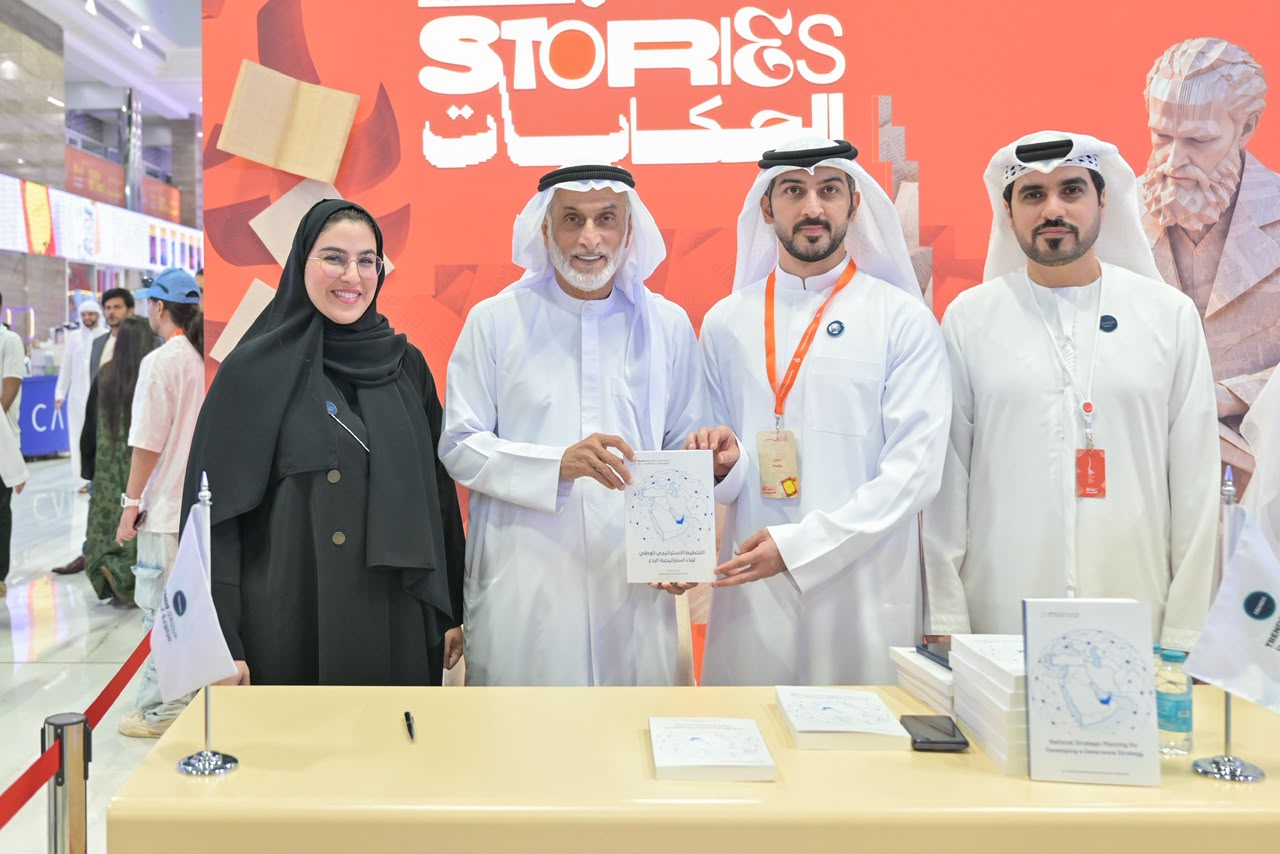
Major General (Ret.) Pilot Dr. Khalid Abdullah Al Buainain Al Mazrouei, former Commander of the UAE Air Force and Air Defense, launched the English translation of National Strategic Planning for Developing a Deterrence Strategy. Drawing on the UAE’s experience, the book examines comprehensive national deterrence, highlighting the integration of military capabilities, advanced technologies, strategic resilience, and preventive diplomacy. It explores how coordinated national efforts, technological innovation, and institutional readiness can strengthen defense capabilities, safeguard critical infrastructure, and support security and stability.
The book explains that Iran’s treacherous, premeditated, and brutal attack on the UAE, the Gulf Cooperation Council (GCC) countries, and Jordan in February 2026 fundamentally changed the nature of the confrontation with the aggressor and altered the rules of the game in the Gulf region. After years of containment and caution in dealing with the Iranian adversary and its sleeper cells, as well as proxy confrontations with Tehran-backed militias whose consequences the region had endured for years, this brutal attack crossed traditional deterrence thresholds. It compelled the leadership of the UAE and Gulf states to reassess their strategic calculations and approaches to protecting national security in light of their geographical proximity to Iran, while underscoring the need to develop their national strategies to address current and future Iranian strategic challenges and threats.
Soft Power Diplomacy
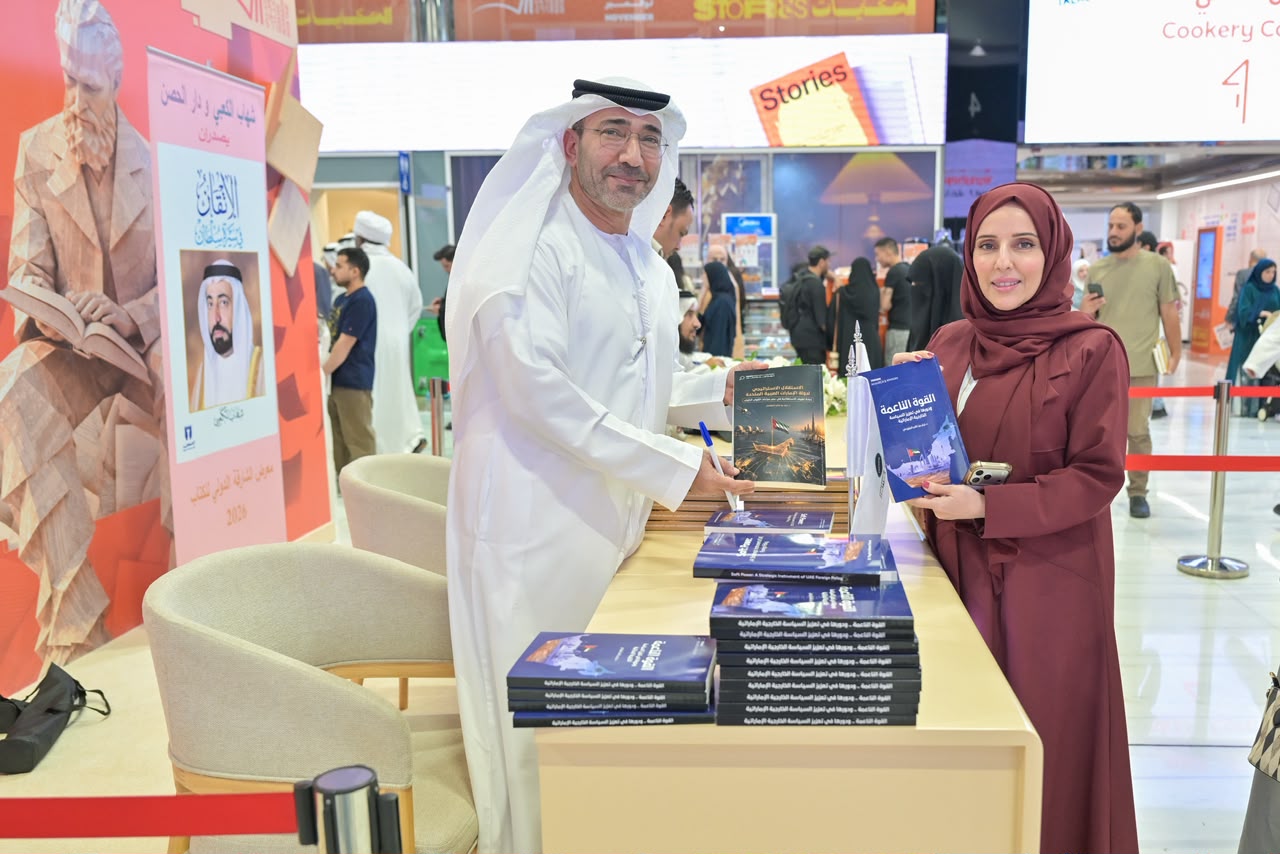
Emirati author Dr. Theyab bin Ghanem Al Mazrouei signed copies of the English translation of Soft Power: A Strategic Instrument of UAE Foreign Policy, published by TRENDS Research & Advisory. The book explores how the UAE uses cultural diplomacy, humanitarian assistance, economic partnerships, and technological innovation to strengthen its global standing. It examines how the UAE integrates national development with international engagement and offers insights into the evolving role of soft power in contemporary foreign policy.
UAE foreign policy has firmly established the principles of peaceful dialogue, rejection of conflict, and openness to the world in all its cultural and civilizational diversity. Over the years, these principles have evolved into an integrated, innovative strategy, positioning the UAE among the region’s and the world’s leading countries in leveraging soft power to achieve its objectives.
Redefining Autonomy
Emirati author Dr. Theyab bin Ghanem Al Mazrouei also launched the English translation of The Strategic Independence of the United Arab Emirates: Redefining Autonomy in an Era of Great-Power Rivalry, published by TRENDS Research & Advisory.
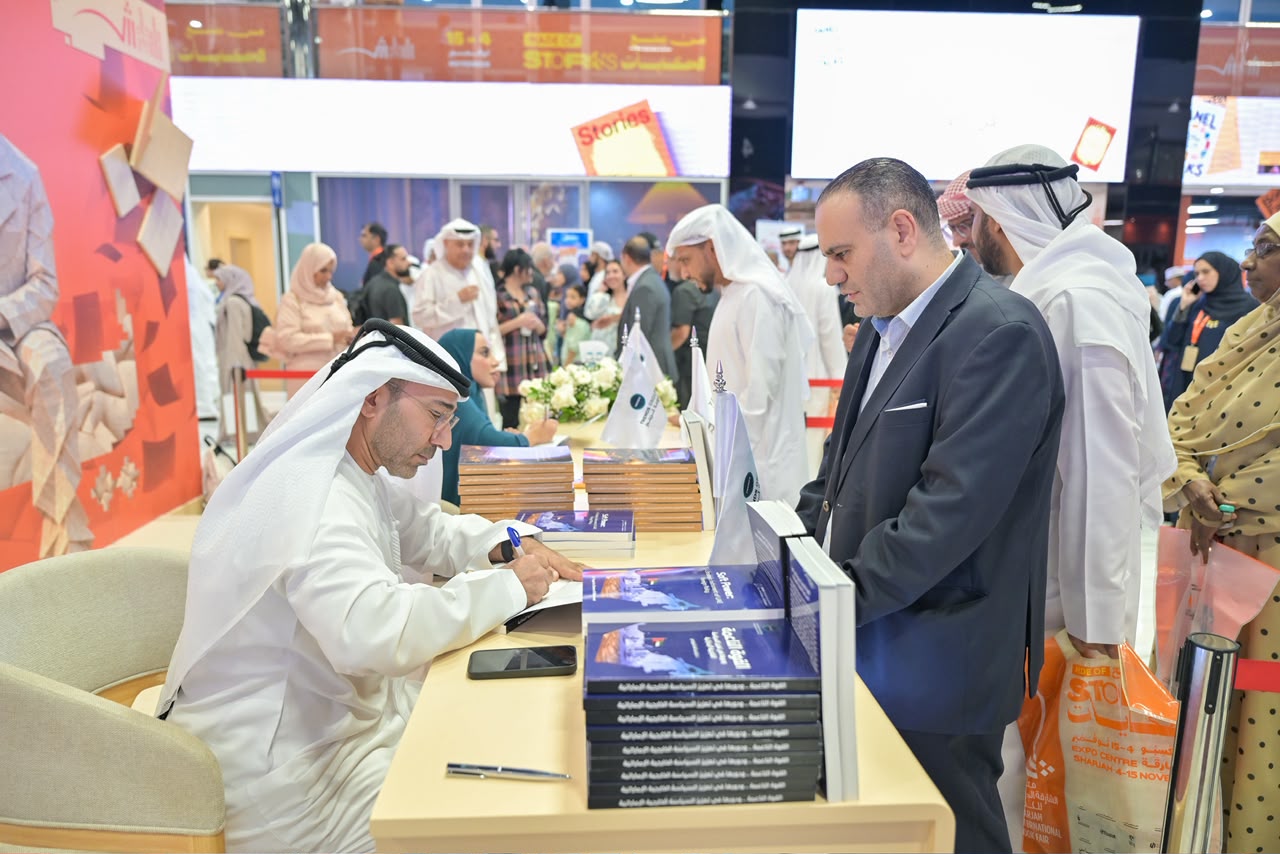
The book argues that the international system has evolved from the bipolar order dominated by the United States and the Soviet Union to a US-led unipolar order after the Soviet Union collapsed, before beginning to shift toward multipolarity at the start of the 21st century.
This transformation has been driven by the rise of China and Russia as competing powers, growing demands from Global South countries for a more equitable role, and declining cohesion within the Western bloc due to Brexit, the rise of nationalist movements, and the diminishing US role in international institutions. The book explains that the international system is no longer unipolar but is moving toward a multipolar structure characterized by greater competition and a redistribution of power.
Deconstructing Exclusionary Concepts
Professor Dr. Mohamed Othman Elkhosht, a member of the Supreme Scientific Council of Mohamed Bin Zayed University for Humanities, signed copies of Beyond Fundamentalism and Secularism: The Search for a Third Way, published by TRENDS Research & Advisory.
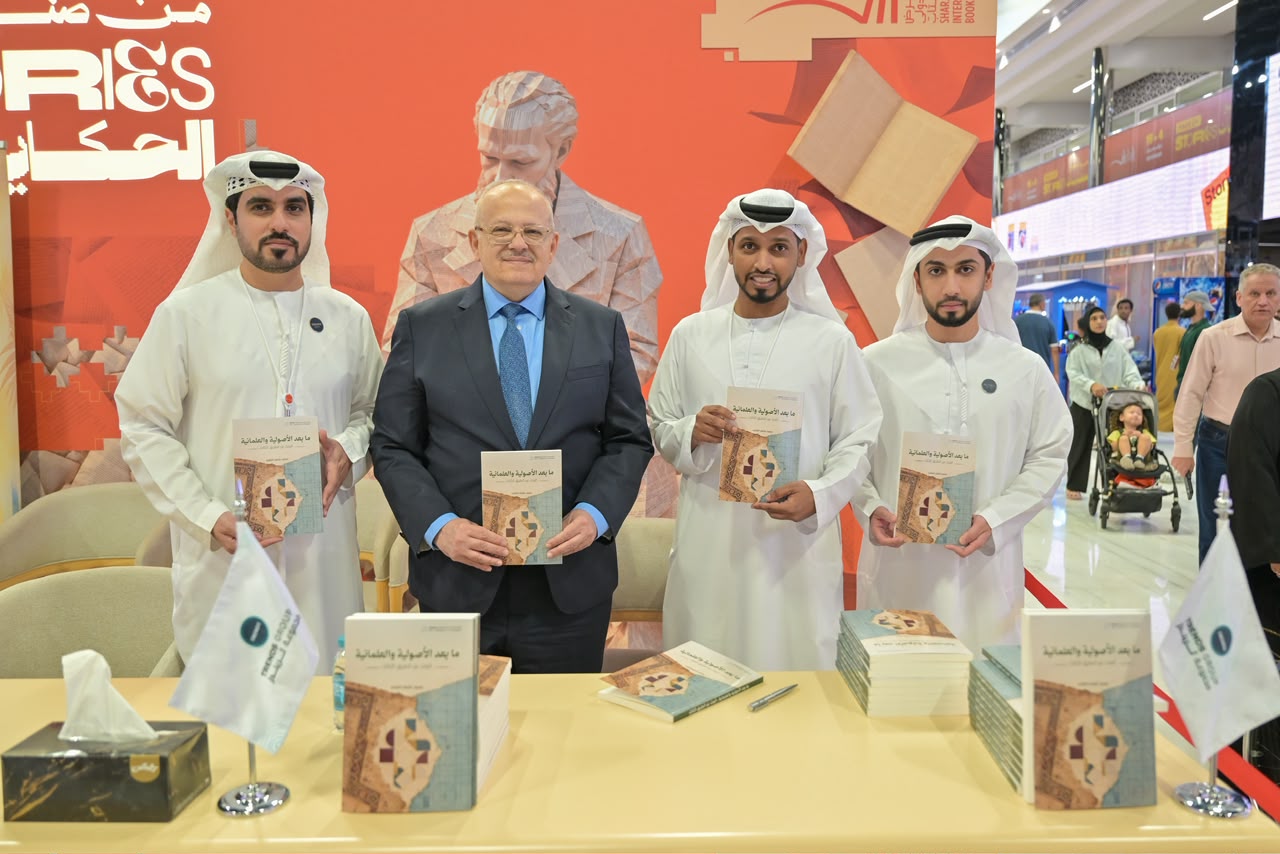
The book advocates establishing a “third way” that transcends polarization between fundamentalism and secularism to build a state founded on justice and fairness. By deconstructing exclusionary concepts and reformulating the theory of the higher objectives of Islamic law (Maqasid), the book presents a vision for intellectual and institutional reform that lays the foundations for a “state of shared and differing human values,” based on citizenship and a distinction between the divine sacred and the historically conditioned human sphere.
Engineering National Power
Colonel (Ret.) Jassim Mohammed Ali Al Tunaiji, a lecturer and researcher specializing in future leadership development and crisis and disaster management, signed copies of Engineering National Power in the Era of Multi-Domain Competition, published by TRENDS Research & Advisory.
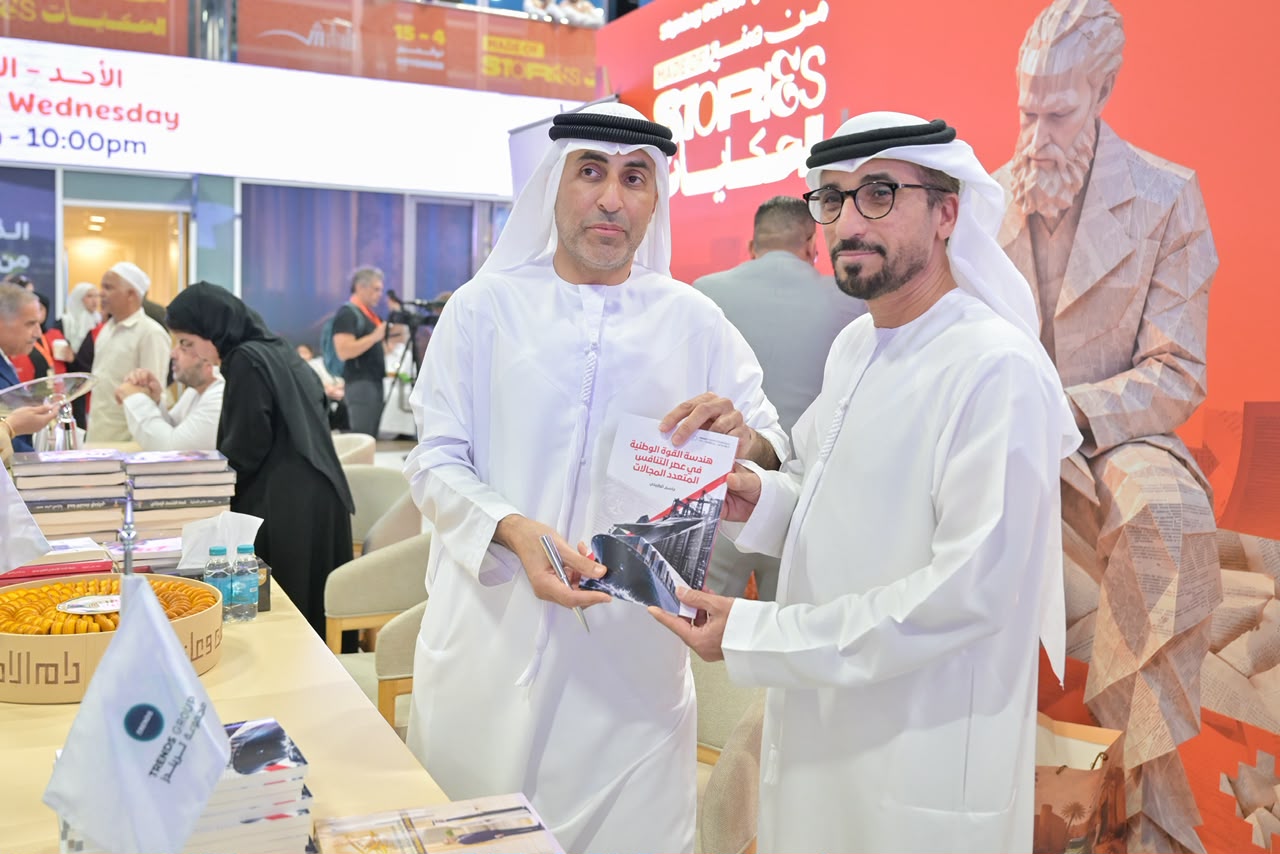
The book examines the evolving concept of national power and the shift beyond traditional models, drawing on the 2026 US-Israeli-Iranian War to illustrate the interconnected roles of technology, energy security, and logistics networks. It also introduces a new framework titled Engineering National Power, built around five integrated layers, emphasizing that genuine power lies in a state’s ability to mobilize, integrate, and transform its resources into sustainable strategic impact.
Repercussions of the War
The Post-War Future of the Middle East: The US–Israel–Iran War 2026, signed by Alia Al Nuaimi, Senior Researcher at TRENDS Research & Advisory, examines the transformations across the Middle East following the US-Israeli war against Iran from February to August 2026.
The book explores the conflict’s political, economic, and military repercussions, highlighting major powers’ inability to impose absolute hegemony, the militarization of politics in Iran, shifts in energy security, and the transformation of modern warfare strategies through artificial intelligence. It concludes that the region is moving toward an increasingly dynamic and complex environment in which immediate and overlapping interests shape alliances.
Protecting Infrastructure
Strengthening Air Defenses and Protecting Infrastructure in the Gulf and the Arab Region, which is part of the Policy Papers series and authored by Fatima Musbah Al Rumaithi, Senior Researcher at TRENDS, examines the evolution of aerial attack capabilities, including drones and missiles, and warns of the threats they pose to Gulf infrastructure.
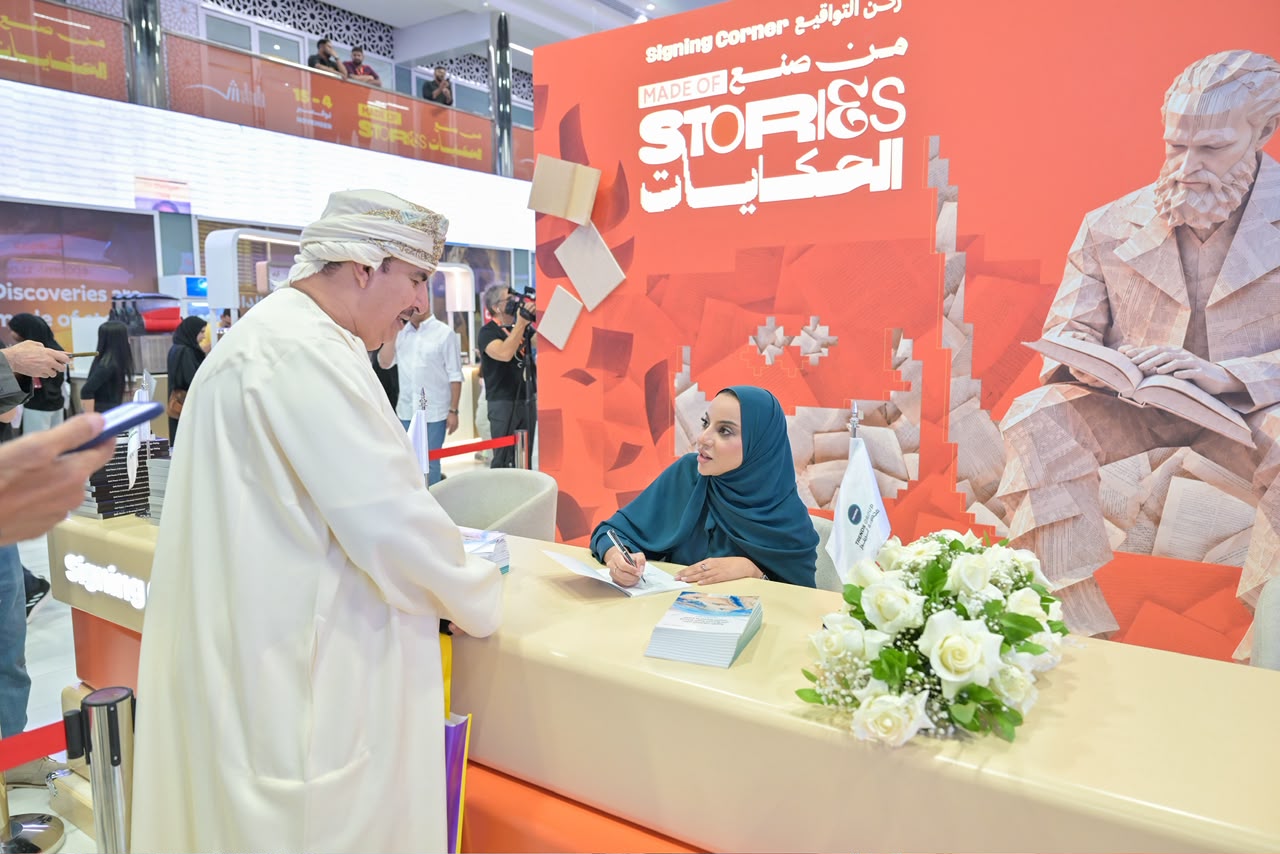
The book emphasizes that effective air defense increasingly depends on building an integrated, networked system that combines artificial intelligence and electronic warfare with human training and institutional resilience to ensure early detection and maintain the continuity of the state’s vital functions.