
Researchers participating in the session call dialogue a strategic necessity for addressing global challenges.
During the Warsaw International Book Fair 2026, TRENDS Global, in collaboration with the TRENDS Youth Council, organized a youth panel discussion — Shaping Tomorrow: Youth Voices and Global Impact — in the main hall of the TRENDS pavilion (Booth 6D3). A distinguished group of young leaders and researchers from Poland and TRENDS participated in the session.
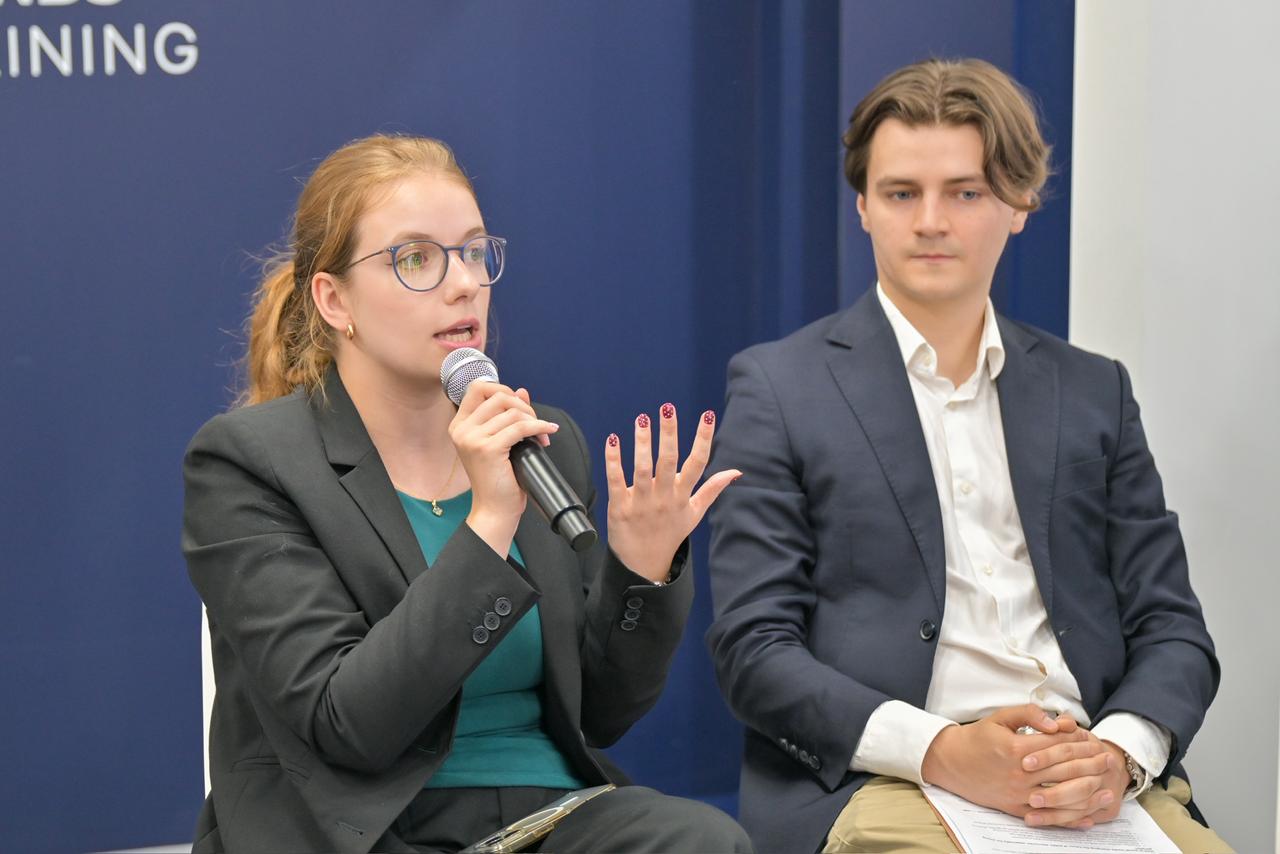
The session provided a rich platform for exchanging ideas and perspectives on public discourse, intercultural dialogue, and the role of youth in leading global transformations and shaping the future. Participants discussed a range of topics, including artificial intelligence, the impact of social media, digital polarization, and rapidly evolving international developments and their implications for younger generations.
The discussion brought together a distinguished group of young leaders and researchers from Poland and TRENDS. The Polish side was represented by Kamil Tomkowicz, President of the Our Future Foundation; Anna Lieptys, Co-Founder and Board Member of Young Think; and Magdalena Pleskocz, Co-Founder of the Middle Bridge Foundation. Representing TRENDS were researchers Fatima Al Rumaithi, Latifa Al Junaibi, Moza Al Mehairi, Hazza Al Hammadi, Rashed Al Shamsi, and Obaid Al Kaabi.
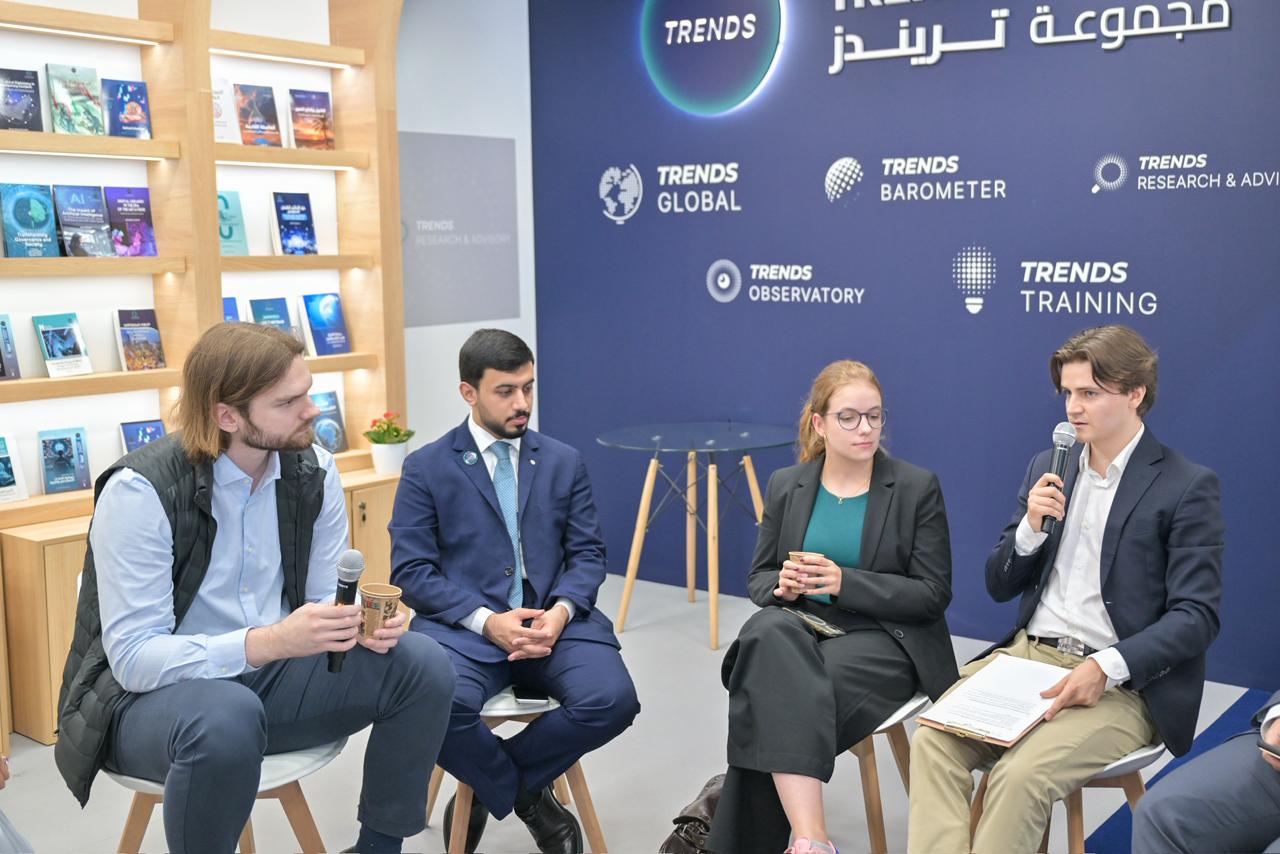
The discussions revealed remarkable convergence in the perspectives of young participants from both sides on many global challenges, despite their differing cultural and geographical contexts. There was a clear consensus on the importance of engaging thoughtfully with digital transformations and artificial intelligence (AI), recognizing them as among the most influential issues shaping the present and future of young people.
The impact of social media on public discourse occupied a significant portion of the discussion. Participants emphasized that digital polarization has become one of the most pressing challenges facing youth worldwide, noting that the responsible use of these platforms and the ability to move beyond information bubbles require critical thinking and advanced cognitive skills.
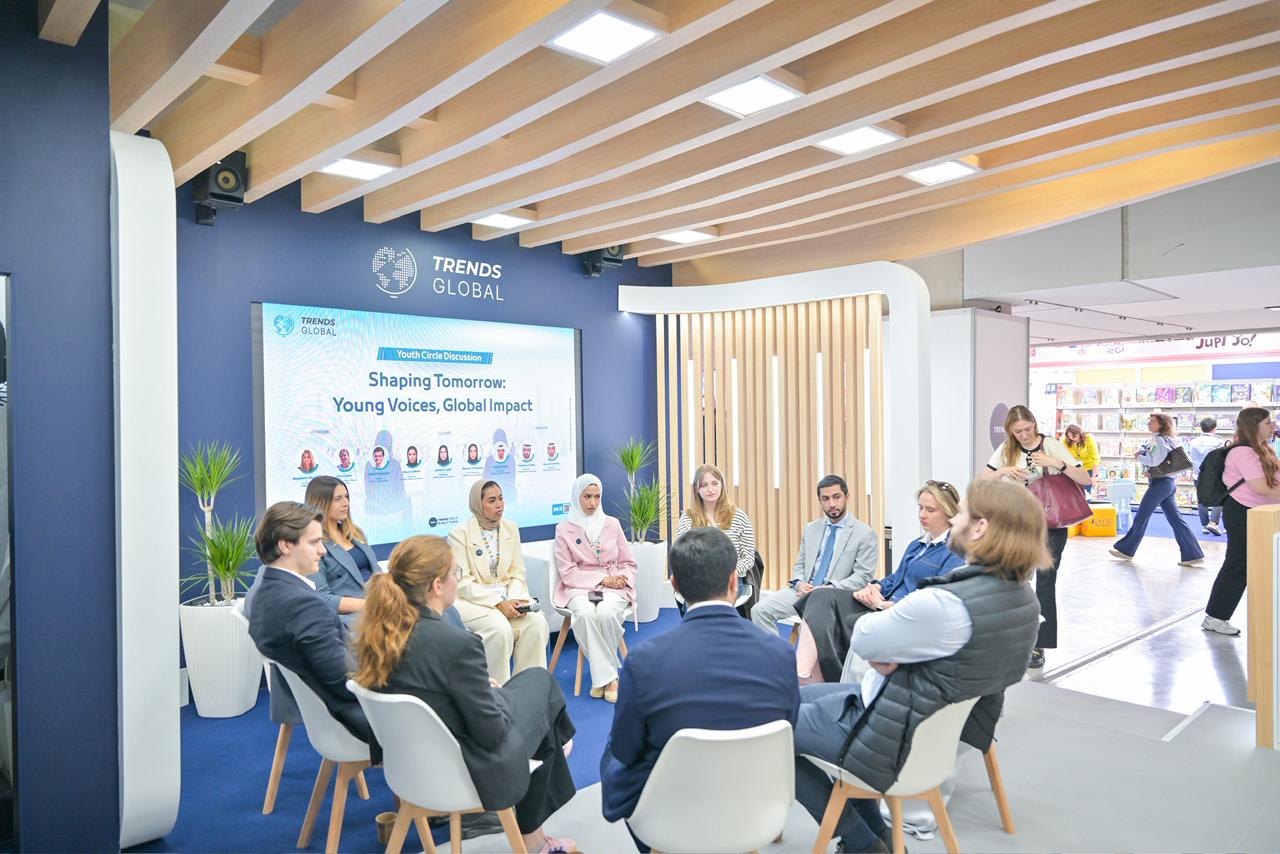
AI also emerged as a central theme of the dialogue. Opinions varied between those who viewed AI as a tool for fostering creativity and expanding youth influence in society, and those who cautioned against its potential effects on the labor market and cultural identity. Participants concluded that maximizing the benefits of this technology requires comprehensive intellectual and ethical preparation that keeps pace with rapid developments and ensures its responsible use.
The speakers stressed that intercultural dialogue is no longer a mere intellectual luxury but rather a strategic necessity in a world where challenges are increasingly interconnected, and interests overlap. They emphasized that such encounters help correct stereotypes, deepen mutual understanding, and build bridges of communication between people, particularly among youth.
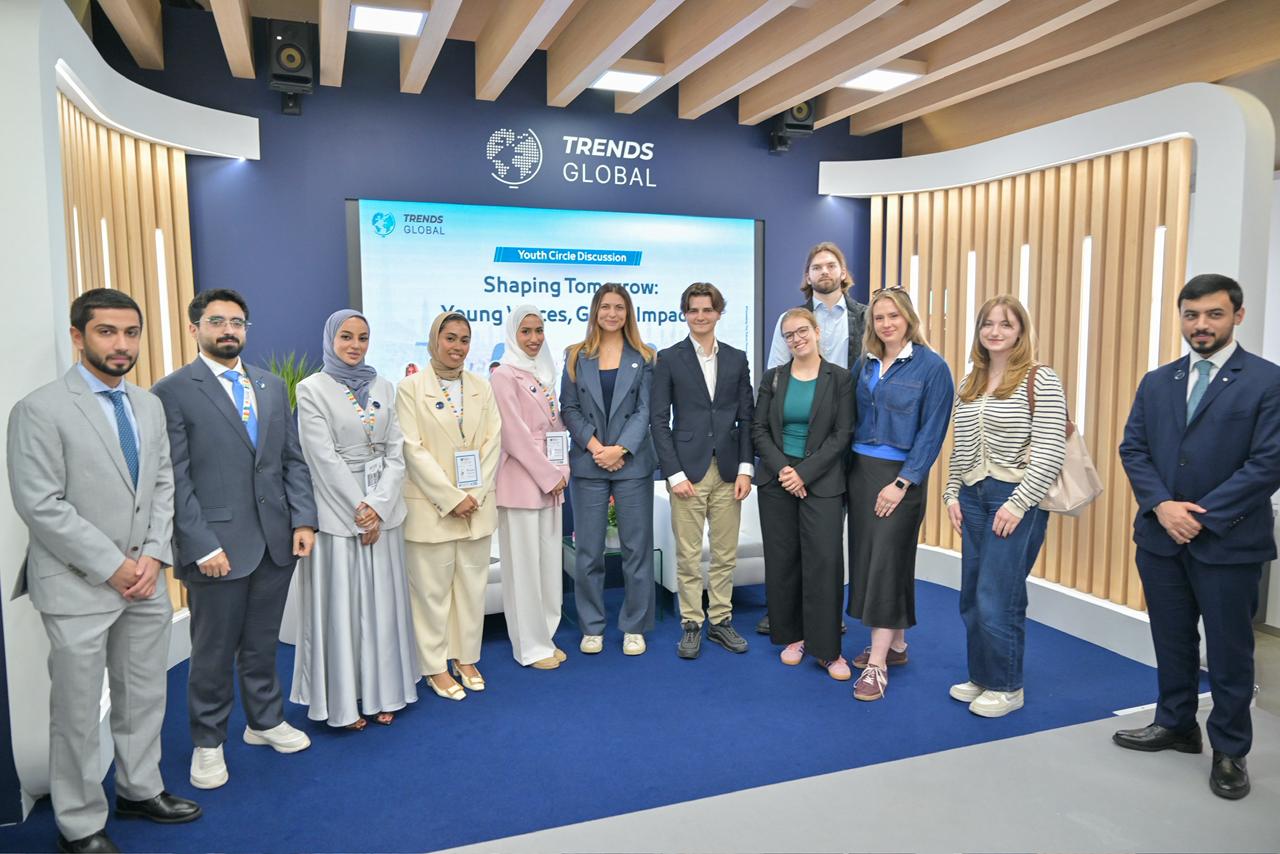
Participants also agreed on the need to move beyond the traditional perception of youth as merely “leaders of the future” and instead recognize them as active contributors in the present, capable of shaping policies and developing solutions to current challenges. This was reflected in the practical experiences and examples shared by participants from research, entrepreneurial, and community institutions in both countries.
At the conclusion of the session, participants expressed their aspiration to transform such meetings from occasional events into sustainable frameworks for cooperation between research centers and youth organizations across different countries. Representatives of TRENDS reaffirmed the Group’s commitment to building sustainable platforms for dialogue and knowledge exchange that strengthen international research cooperation and help prepare a more aware, influential, and globally engaged generation of young people.
