
In the presence of H.H. Sheikh Ammar bin Humaid Al Nuaimi, Crown Prince of Ajman and Chairman of the Executive Council, H.E. Dr. Anwar Gargash, Diplomatic Adviser to the UAE President; H.E. Dr. Ali Rashid Al Nuaimi, Chairman of the Defence, Interior and Foreign Affairs Committee of the Federal National Council; and H.E. Abdullah bin Mohammed bin Butti Al Hamed, Chairman of the National Media Authority, TRENDS Group participated through TRENDS Dubai in the second main session of the inaugural Ajman Media Forum THE SIGNAL, titled Government in the Age of Algorithms: Who Leads the Message?
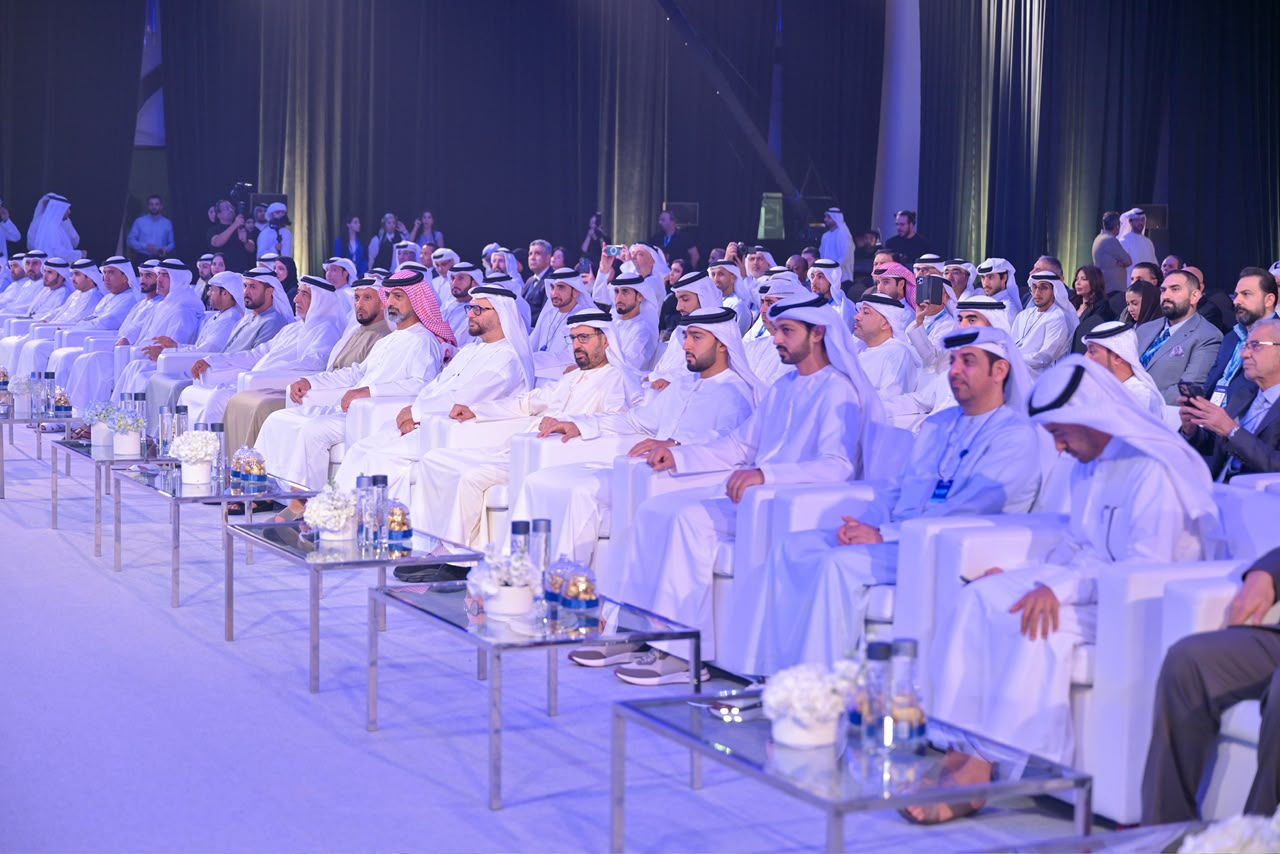
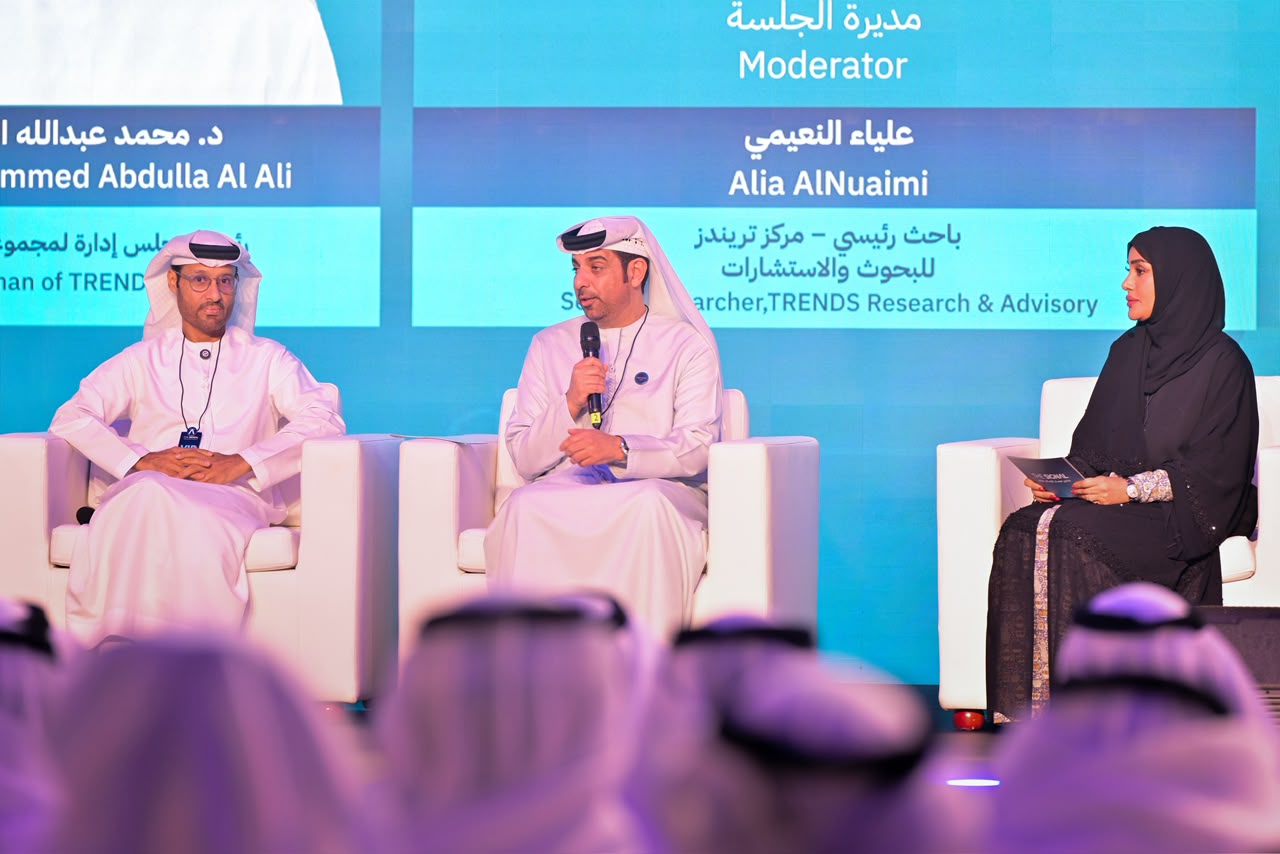
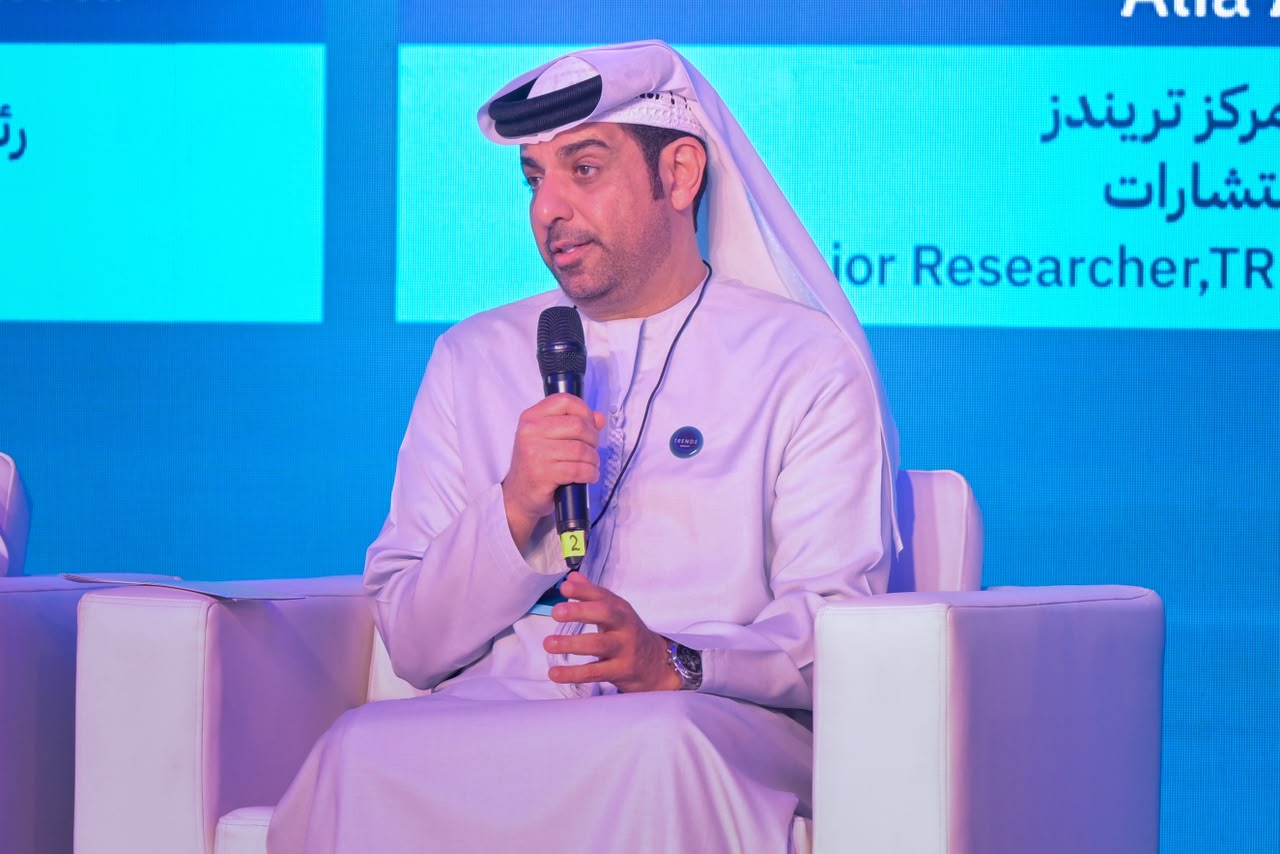
Held on the main stage at the Emirates Hospitality Center in Ajman, the session featured H.E. Dr. Mohamed Al Kuwaiti, Head of the UAE Cybersecurity Council, and Dr. Mohammed Abdullah Al Ali, Chairman of TRENDS Group. Alia Al Nuaimi, Senior Researcher at TRENDS Research & Advisory, moderated the discussion.
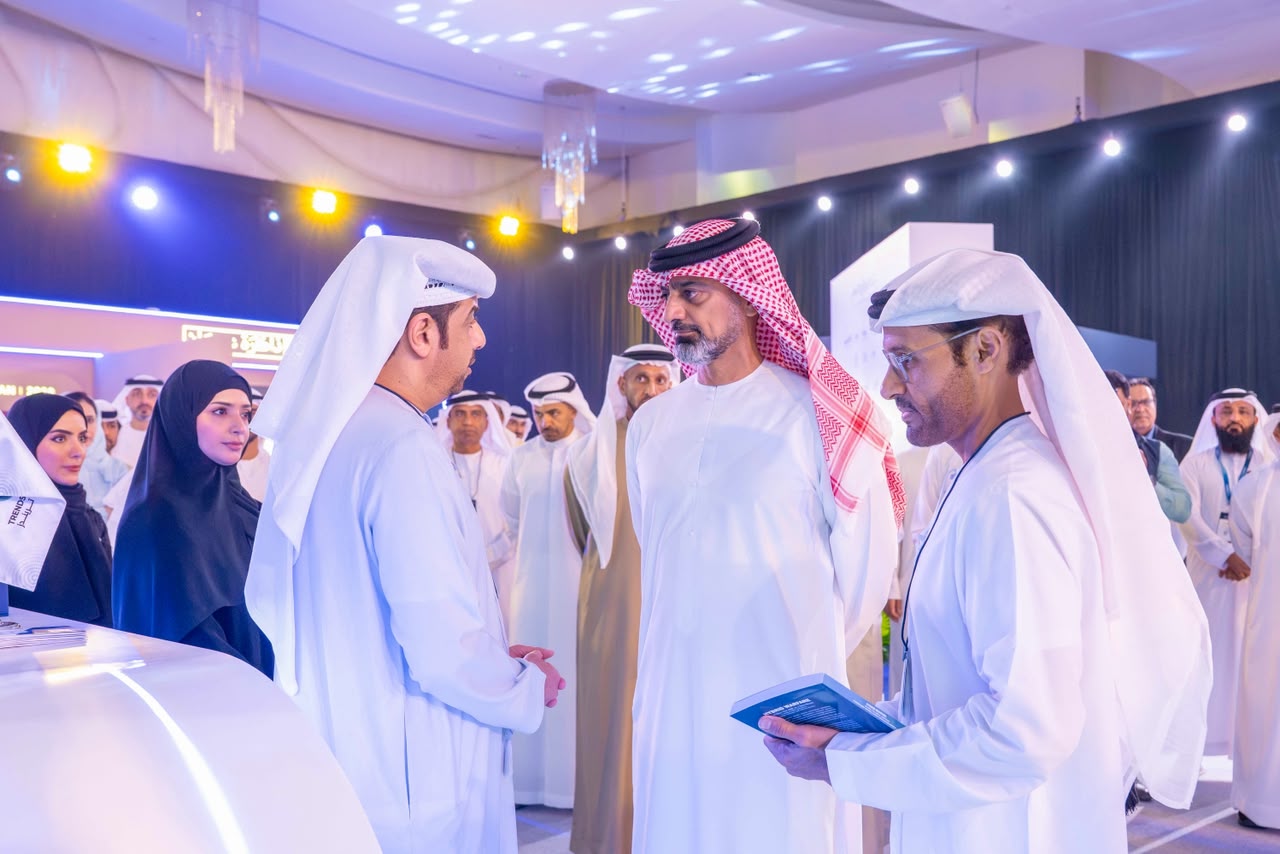
H.H. Sheikh Ammar bin Humaid Al Nuaimi, Crown Prince of Ajman and Chairman of the Executive Council, honored TRENDS Group as a strategic partner of the forum. Dr. Mohammed Abdullah Al Ali, Chairman of the Group, accepted the recognition on its behalf. Organized by the Ajman Government Media Office on November 18 and 19, the forum features TRENDS Group in panel discussions and interactive youth workshops at its pavilion, which is equipped with advanced digital technologies.
Countering Cyber Threats
Opening the session, H.E. Dr. Mohamed Al Kuwaiti, Head of the UAE Cybersecurity Council, said national unity is the first line of defense against all types of cyber threats. He stressed that ideas can only be countered with ideas and noted that cyber and national resilience were key to repelling malicious attacks targeting the UAE.
He said the UAE had identified more than 40 groups from 20 countries that had attempted to launch cyberattacks against the country. He added that the attacks were thwarted by the grace of God and through coordinated national efforts.
The Head of the UAE Cybersecurity Council also discussed the evolving threats facing countries, including various forms of cybercrime, cyberterrorism, attacks by lone actors and sleeper cells, cyber and hybrid warfare, and media warfare that threatens national stability.
Precautions for the Future
Dr. Al Kuwaiti warned that artificial intelligence is being used to threaten countries in various ways, particularly by targeting the energy sector and water desalination plants. He said this calls for anticipating future threats, taking precautions, and maintaining constant readiness in the age of artificial intelligence.
Al Kuwaiti outlined several lessons from the UAE’s experience, foremost among them the importance of governance, policies, and strategies, as reflected in the National Cybersecurity Strategy and efforts to support the national economy. He also highlighted the need to strengthen protection and defense in the age of artificial intelligence, take precautions against future threats, expand the UAE’s sovereign technology capabilities, strengthen regional and international partnerships with the public and private sectors, and increase investment in national governance.
He stressed the importance of raising national awareness, strengthening deterrence and coordination among institutions, acting proactively, and anticipating future developments. He also called for reinforcing the values of national cohesion, which remain the foundation for confronting all challenges. He added that the UAE’s national cybersecurity system continues to strengthen its readiness and resilience to protect the country’s gains in cyberspace.
Recommendations and Innovative Ideas
Dr. Mohammed Abdullah Al Ali, Chairman of TRENDS Group, said there is no dispute today about the important role think tanks play in supporting government decision-making through their recommendations and innovative ideas. Drawing on his own experience, he highlighted three points. First, media monitoring can turn information into usable knowledge that supports decision-making and helps anticipate how crises may unfold. Second, research centers can identify and analyze trends in public opinion and share their findings with relevant institutions, helping them communicate with the public and understand its needs. Third, media and research professionals need training through courses for media spokespeople and specialized courses on understanding and working with artificial intelligence.
Challenges Posed by AI
Addressing the challenges that artificial intelligence and emerging technologies pose for media organizations and government communications, Al Ali said artificial intelligence offers many opportunities to improve how governments communicate. It allows governments to move beyond simply publishing information and engage directly with the public. This interaction helps governments provide information and services that meet citizens’ needs and improve the customer experience through AI-powered chat and translation tools.
However, he cautioned that artificial intelligence also creates challenges for governments and media organizations. These include a greater risk of cyber threats to government systems and media organizations, the growing threat posed by deepfakes, and the increasing risk that negative propaganda from abroad will influence domestic audiences. He said these challenges call for closer ties between governments, media organizations, and research institutions.
Al Ali concluded that we are moving steadily toward a future in which algorithms and artificial intelligence support governments. He stressed the importance of working together to make the most of the opportunities and mitigate the challenges, in support of the leadership’s ambitious vision for the UAE to rank first globally across all development indicators.

