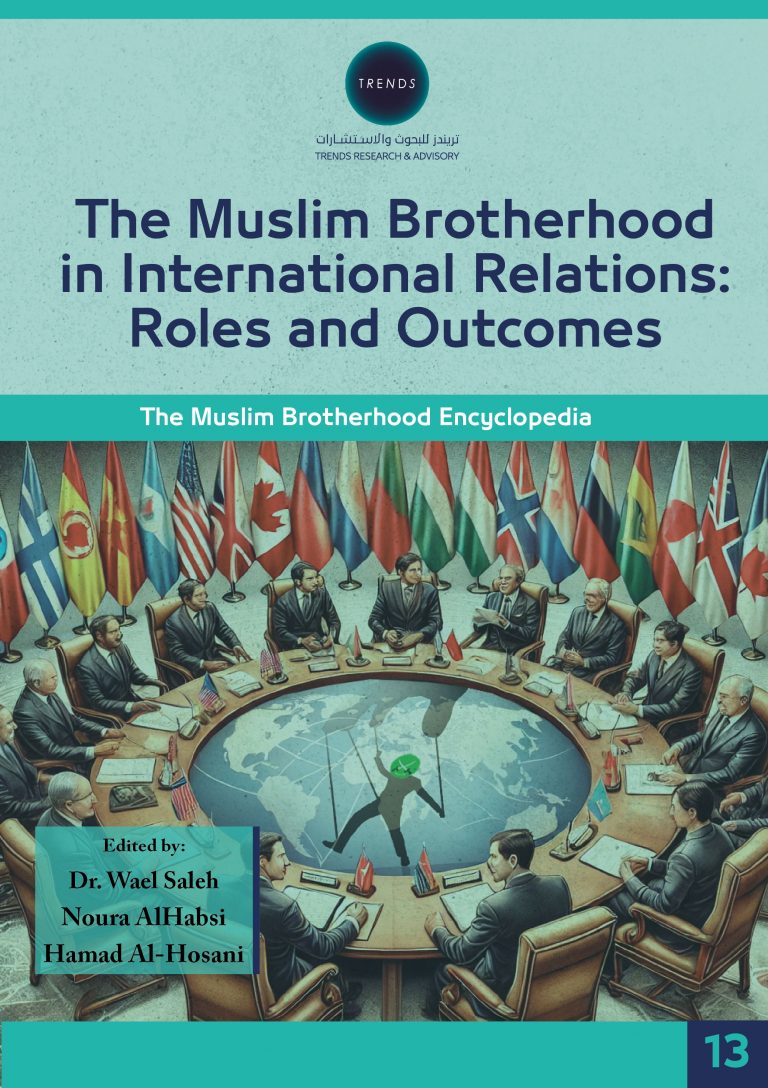


Nation-states, irrespective of their political systems, undoubtedly recognize the threat the Muslim Brotherhood (MB) poses to their security and stability. The group’s subversive agenda aims to sow discord, exploit religion for political gain, recruit young people to act against their own societies and states, and infiltrate state institutions in its operating countries to gain control and leverage them for its organizational objectives. Foremost among these objectives is the pursuit of political power, which the MB regards as an essential pillar of religion. The threat posed by the MB is no longer confined to nations in the Arab and Islamic worlds. It has extended to Europe, where governments have increasingly recognized the danger the group poses to their security, stability, and social cohesion.
This concern has grown in light of the Brotherhood’s relentless efforts to penetrate European societies through a carefully designed strategy that employs a variety of tools, including religious outreach, media platforms, digital channels, and electronic applications. The group also finances its activities through several sources, some legal and others illegal, including money laundering and currency trading, the proceeds of which are often difficult to trace or attribute to identifiable sources.
The MB has also emerged as a security concern for several African countries that had previously considered themselves insulated from such threats. This has prompted some governments to outlaw the group and designate it as a terrorist organization. Kenya, for example, officially banned both the Muslim Brotherhood and Hizb ut-Tahrir in September 2025, classifying them as terrorist organizations as part of the government’s broader strategy to strengthen measures against extremism and terrorism.
Related Publications