
TRENDS Group affirmed that media monitoring is no longer merely about following what media outlets publish. Instead, it has become integral to understanding, preparing for, and managing crises, and a tool for turning information into actionable knowledge that supports decision-making and helps anticipate crisis trajectories and repercussions.
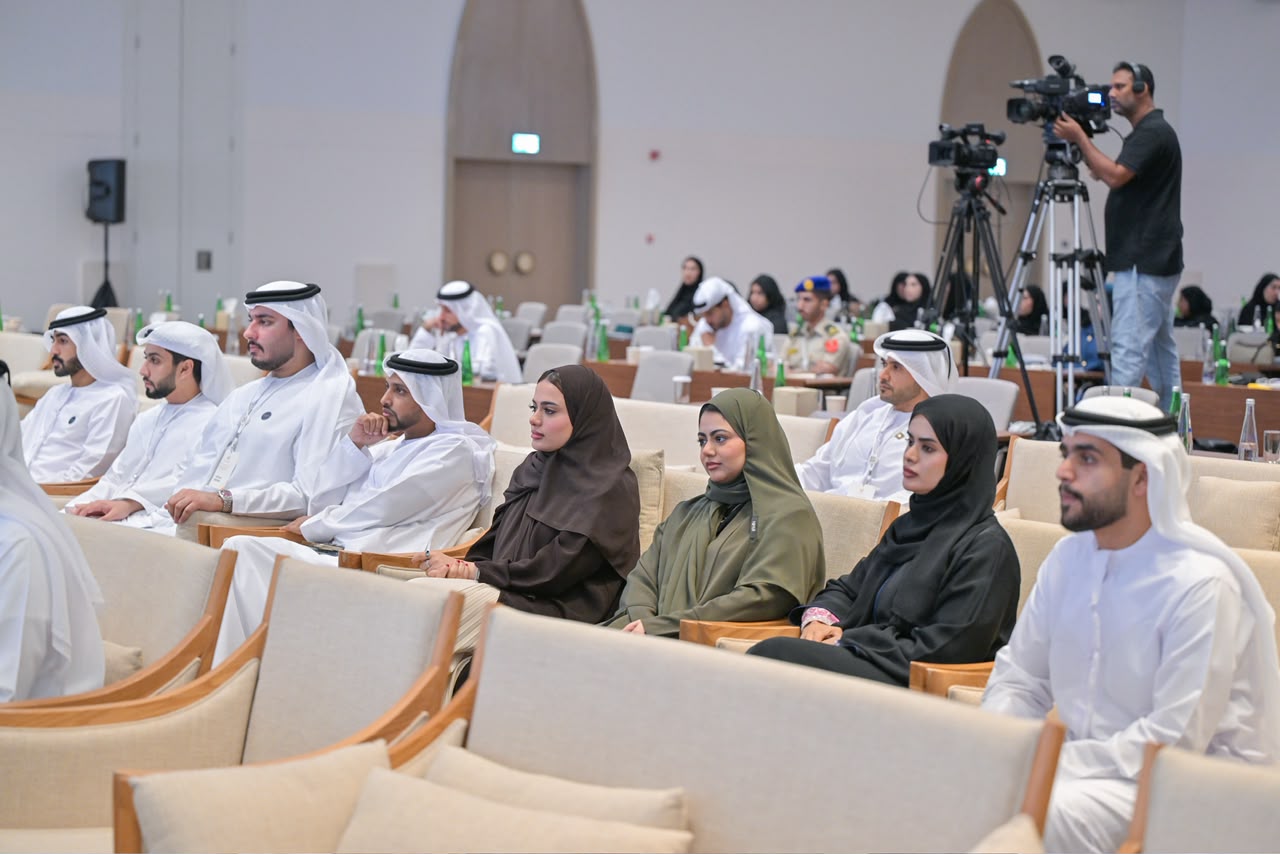
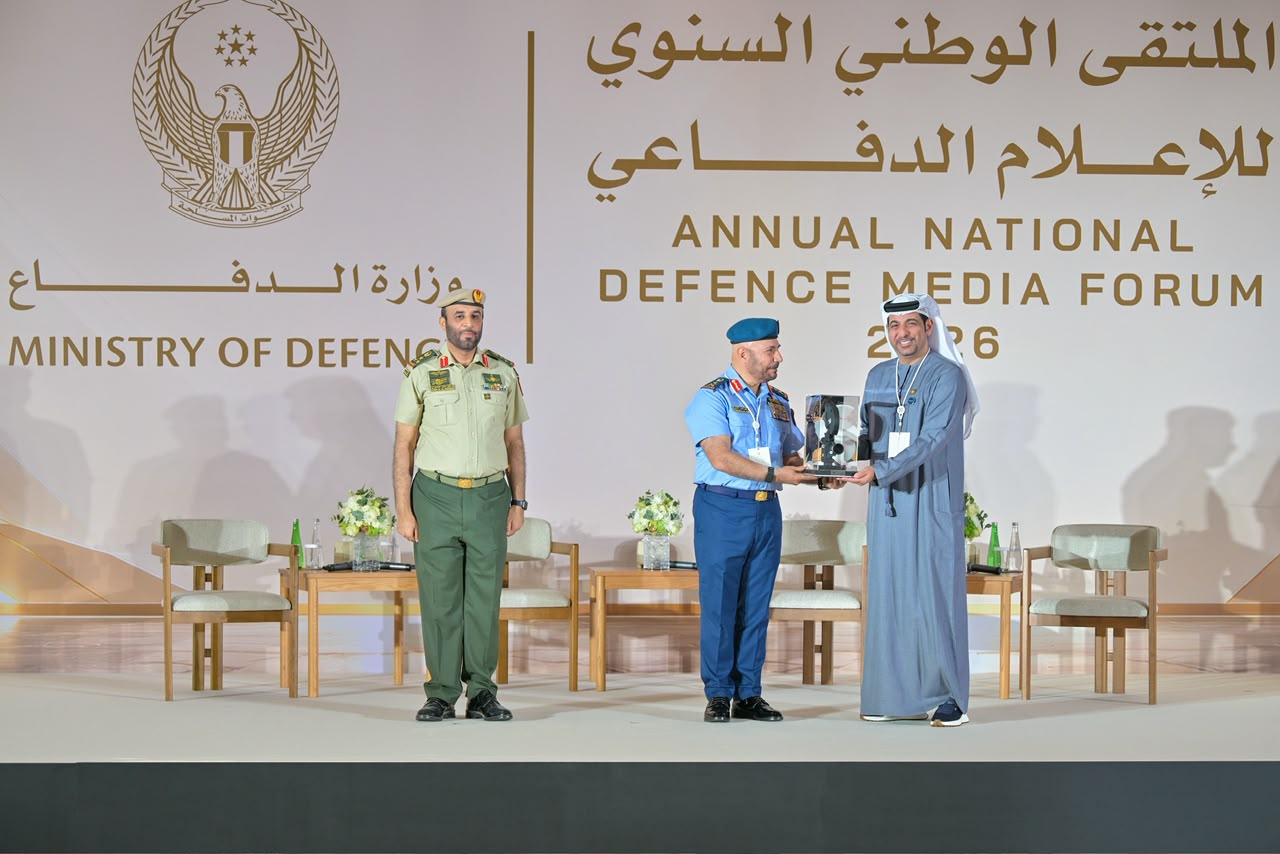
Dr. Mohammed Abdullah Al Ali, Chairman of the TRENDS Group, said this in remarks delivered in the first session of the National Annual Defense Media Forum. The Ministry of Defense, in coordination with the Executive Directorate of Defense Communications, organized the forum yesterday at Erth Hotel – Main Hall under the theme Defense Media in Times of Crisis. The session addressed the second topic, The Role of Media Monitoring and Its Critical Importance During Crises.
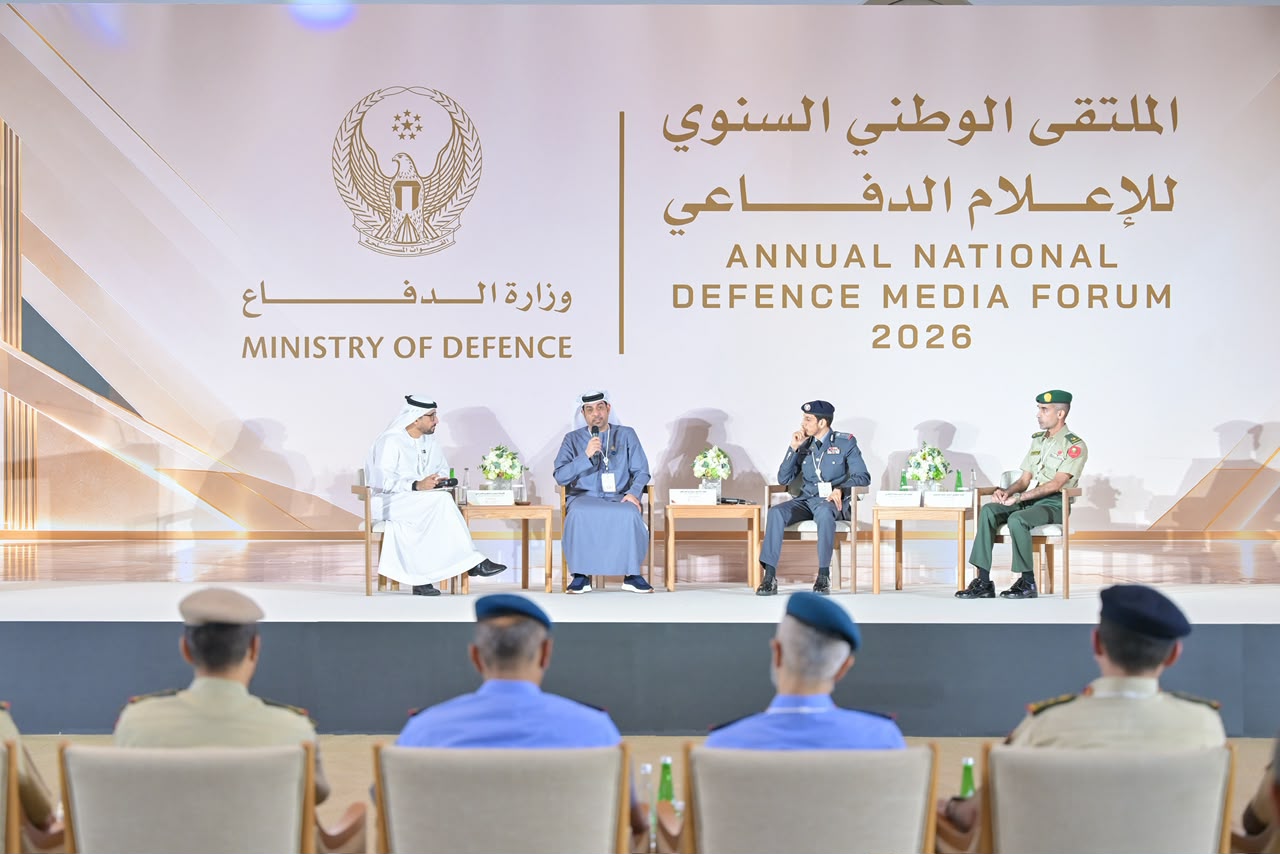
Dr. Al Ali explained that the rapid pace of events during crises requires equally rapid information collection and analysis, especially in a digital environment that generates vast amounts of constantly changing data. Media narratives can influence perceptions of a crisis and its trajectory, while early information may carry strategic value for decision-makers. He stressed that effective monitoring goes beyond tracking events to helping understand their direction and potential repercussions.
He noted that media monitoring has evolved from simply asking what is happening to analysis and foresight aimed at answering what will happen. This is achieved through verifying information, analyzing its implications, anticipating possible trajectories, and identifying early-warning indicators. He emphasized that monitoring’s true value begins when information becomes actionable knowledge.
Dr. Al Ali also shared practical experience in this field, explaining that he helped establish the first media monitoring room at the Emirates Center for Strategic Studies and Research, where he spent nearly 26 years supporting decision-makers with information and rapid analysis. The experience included systematically monitoring media coverage and priority issues, tracking trends in media discourse, analyzing positions and narratives, and turning media materials into inputs for strategic research and analysis, thereby supporting a better understanding of public discourse and regional and international issues.
He affirmed that the TRENDS experience is a practical extension of the evolution of the concept of monitoring, from media follow-up to an integrated system combining monitoring, analysis, research, and foresight. This is achieved through continuous monitoring of local and international media sources, tracking digital platforms and social media, analyzing narratives, trends, and emerging issues, leveraging technology and artificial intelligence to process data, and linking monitoring with scientific research and strategic foresight to produce outputs that help institutions and decision-makers understand transformations.
He pointed out that monitoring becomes more important during crises because information circulates rapidly, inaccurate news and disinformation spread, narratives multiply and conflict, social media grows in influence, new narratives emerge within minutes, and public sentiment shifts quickly. These factors make crisis management dependent on continuous monitoring rather than intermittent follow-up.
He explained that crises now unfold across two interconnected environments: the physical domain, where political, security, military, and economic events take place, and the digital domain, which encompasses news, social platforms, narratives, images, videos, influential accounts, and AI-generated content. Together, these environments shape how the public perceives a crisis.
Dr. Al Ali stressed that strategic monitoring takes an integrated view of the landscape, encompassing local and international media, social media platforms, official statements and positions, public opinion trends, competing narratives, influential entities and accounts, disinformation and synthetic content, as well as indicators that reveal shifts in the direction of public discourse.
He also addressed the role of artificial intelligence in enhancing monitoring capabilities by rapidly analyzing vast volumes of data, detecting emerging trends and topics, comparing narratives and sources, identifying unusual patterns, supporting digital-content verification and detecting synthetic content. He stressed, however, that artificial intelligence accelerates analysis but does not eliminate the need for verification and human expertise.
He explained that the challenge during crises is not always a lack of information, but its abundance, the speed at which it spreads, and the difficulty of verifying it. This creates three key requirements: speed, accuracy, and context—accessing information in time, distinguishing facts from opinions and disinformation, and understanding it within the broader developments surrounding it.
He noted that monitoring can be transformed into an early-warning tool by tracking changes in the volume of public discourse, the emergence of new narratives, rising incitement or polarisation, the expansion of issues into broader public debate, shifts in the positions of influential actors, and digital indicators that may precede developments on the ground or in the political sphere. He stressed that the real value lies in connecting these indicators and understanding their implications.
Dr. Al Ali concluded by presenting the TRENDS model for moving from information to decision-making, through monitoring, verification, analysis, foresight, early warning, and recommendations, stressing that the ultimate objective is to support decision-making rather than merely produce information.
In a digital crisis environment, the question is no longer what the media are saying, but what the movement of information tells us about the crisis’s direction.

