
Pompeo said the UAE has developed advanced AI and technology capabilities, and believes there are broad opportunities to exchange ideas, expertise, and knowledge.
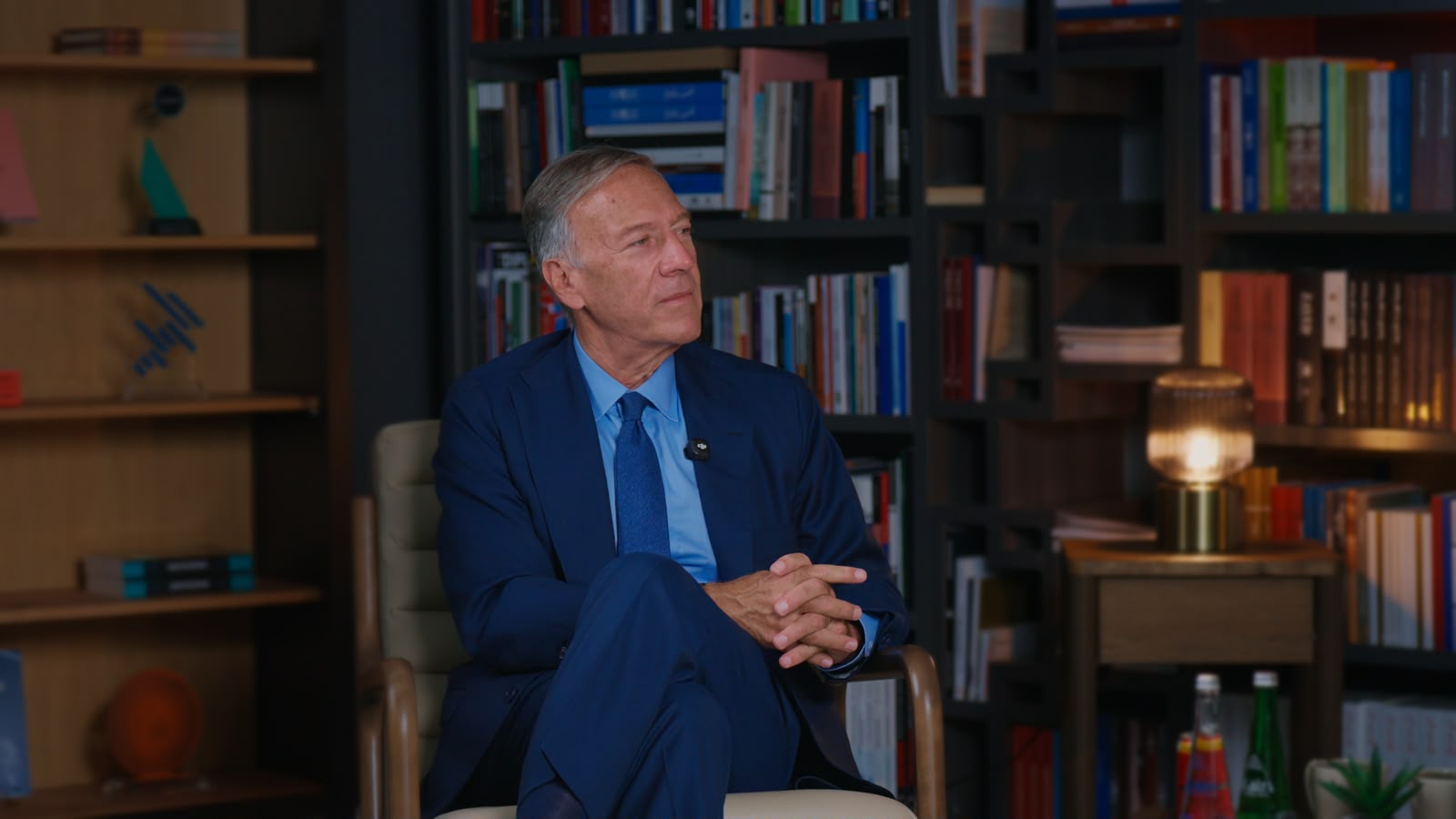
Mike Pompeo, the 70th U.S. Secretary of State and former Director of the Central Intelligence Agency (CIA), praised the depth of relations between the United Arab Emirates and the United States, stressing that the partnership between the two countries is poised for further development in the coming years, particularly in the fields of economy, investment, technology, artificial intelligence, and security.
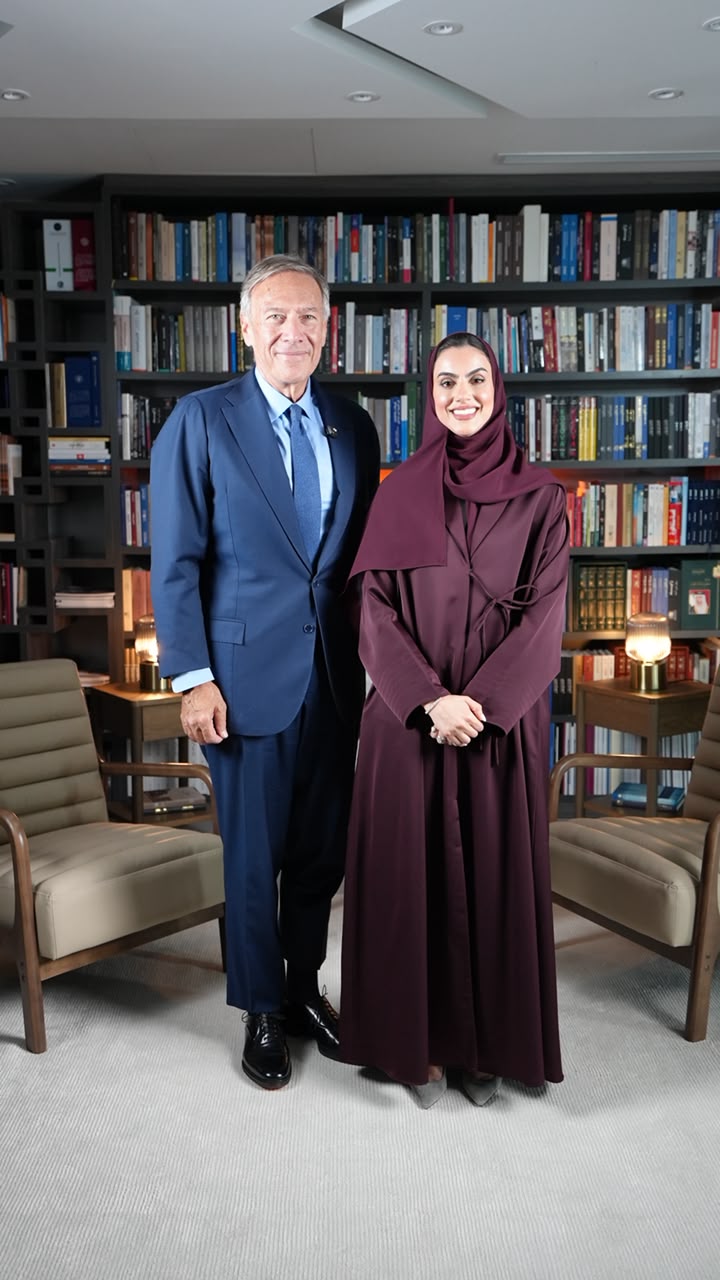
The remarks came during an exclusive interview with Al Yazia Al Hosani, Head of Media Sector at TRENDS Group, as part of a new episode of Trending Echoes titled The Middle East at a Crossroads: Who Has the Power? The interview explored major geopolitical shifts in the region, the future of the Iranian regime, the role of Gulf states in regional security, the influence of the Muslim Brotherhood, the limits of diplomacy and national sovereignty, and the battle over narratives and information in wars and crises.
Pompeo said the UAE has developed advanced capabilities in artificial intelligence and technology, and he believes there are broad opportunities for the two countries to exchange ideas, expertise, and knowledge and strengthen cooperation in technological and security fields.
He highlighted the importance of enhancing interoperability among defense, intelligence, and communications systems, noting that recent security developments have shown the need for these systems to work together efficiently—a task that requires sustained cooperation.
He added that prospects for UAE-US cooperation extend beyond the region to other parts of the world, including Asia and India, through joint partnerships that could deliver positive outcomes for other countries and communities.
The conversation then turned to the future of the Middle East, where Secretary Pompeo outlined his assessment of U.S. policy toward Iran. He said the “maximum pressure” strategy, of which he was one of the architects, achieved significant deterrence results but did not achieve its ultimate objective of changing the Iranian regime’s behavior and encouraging it to act as a normal state.
He also addressed the future of Iran’s nuclear and missile capabilities, stressing the importance of continued coordination among the Gulf states, the United States, to prevent the rebuilding of capabilities that could threaten regional security.
Pompeo stressed that regional security should be led by regional countries, calling on the Gulf states and neighboring countries to develop a joint security framework based on training, coordination, cooperation, and a shared understanding of threats. At the same time, the United States continues to play a supporting role.
In another segment, Al Yazia Al Hosani discussed with Pompeo the rise of extremism and the influence of the Muslim Brotherhood in Europe. Pompeo praised what he described as the UAE’s clarity in addressing extremism and political Islam, warning of the risks of allowing extremist movements to expand within European societies.
The discussion also addressed the strategic competition among the United States, China, and Russia. Pompeo underscored the importance of American leadership and clear threat identification, and the need to focus on adversaries’ actions rather than their statements.
The interview also explored Abraham Accords and the possibility of expanding them. Pompeo expressed optimism that more countries would join the accords, noting that they open the way for stronger diplomatic and commercial ties and enhanced security cooperation.
At the end of the episode, Al Yazia Al Hosani discussed the “war of narratives” and the role of information in modern conflicts with her guest. Pompeo emphasized that the battle over the information space has become an essential component of the balance of power, warning that failing to confront competing narratives clearly and consistently could let adversaries dominate the media and information landscape.
Trending Echoes features conversations with influential political and intellectual figures, examining key international and regional issues and developments and exploring their implications and future trajectories from multiple strategic perspectives.
Watch the full episode on YouTube: https://youtu.be/cev13OF35pU

