
TRENDS Global, part of TRENDS Group, participated through its Moscow office in the 23rd Annual Conference of the Valdai Discussion Club, held under the theme Responsibility for the Future: Limits of the Possible, or Limitless Possibilities? in Moscow from September 28 to October 1, 2026. The conference brought together 120 experts from 40 countries to discuss the future of the international system and geopolitical, economic, and technological transformations.
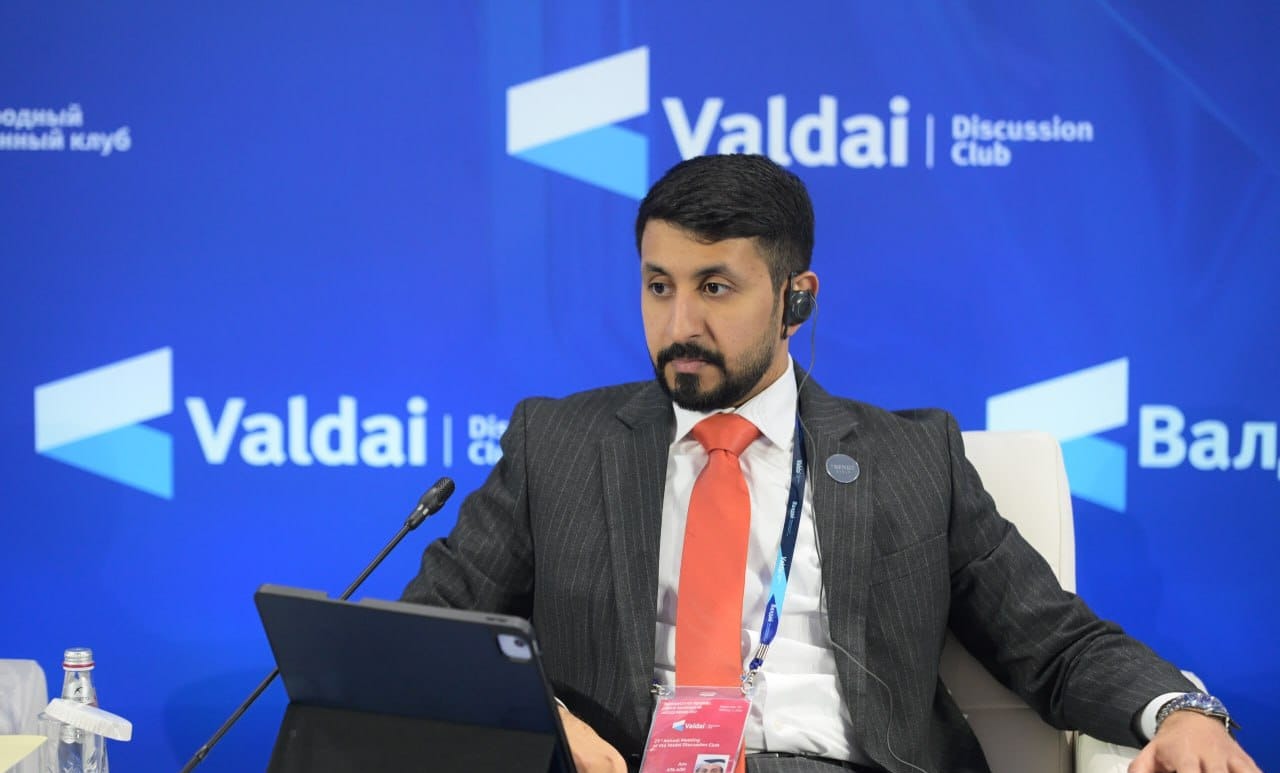
Discussions focused on how well the international system can be managed and predicted amid the crisis facing multilateral institutions, the reshaping of trade and economic relations, rising military and political tensions, and accelerating technological developments. They also addressed modern warfare, communications technologies and artificial intelligence, the current situation in the Middle East, potential scenarios for global development, and responses to growing challenges.
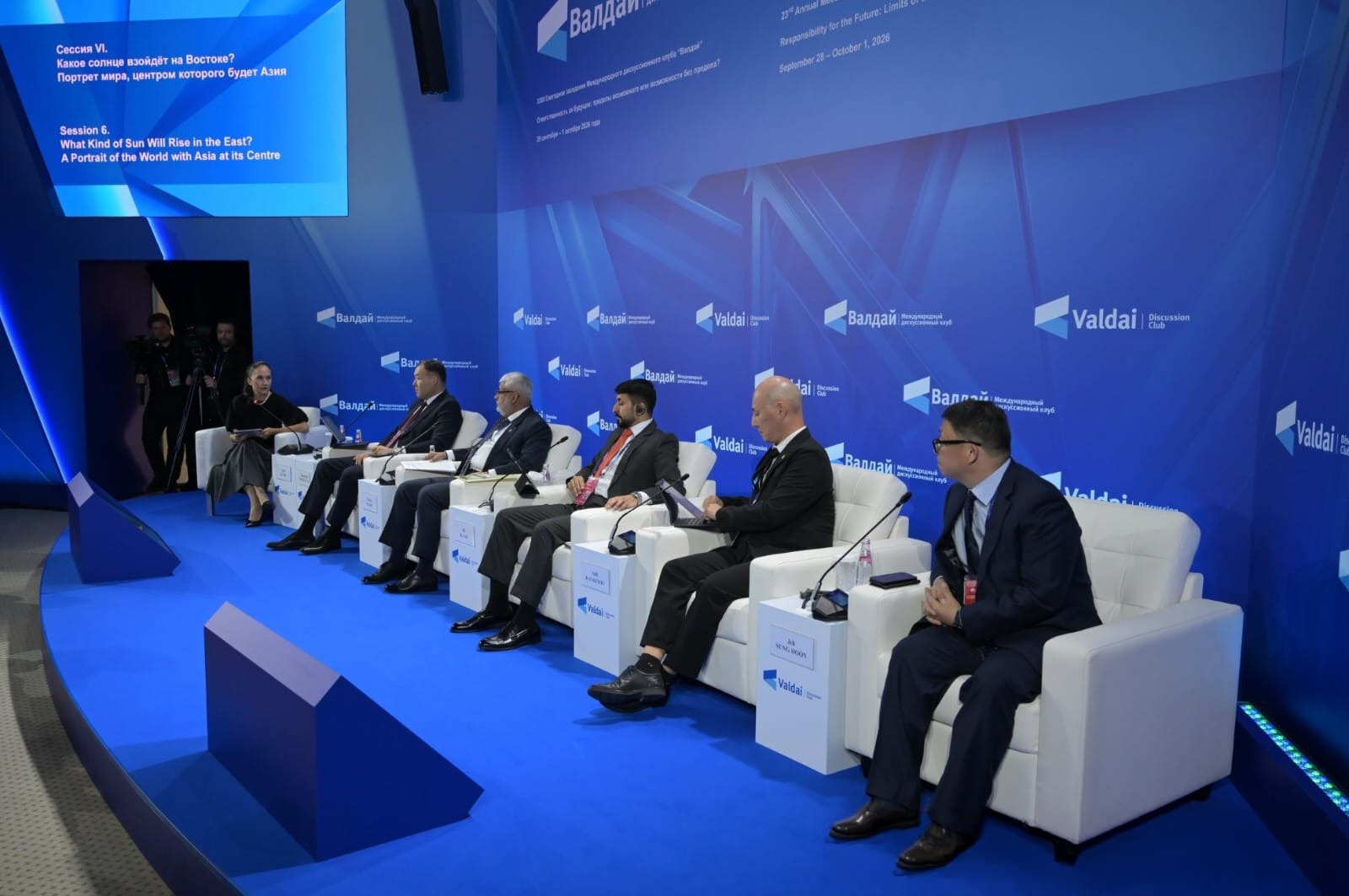
Asia’s Rapid Growth
Ali Abdullah Al Ali, Researcher at TRENDS Research & Advisory, participated in a panel discussion titled What Kind of Sun Will Rise in the East? A Portrait of the World with Asia at its Center, where he stressed that Asia has experienced rapid growth in recent decades, and that the Pacific and Indian Oceans have become among the most important routes for global trade, connecting economies and supporting development across the region. This growth has increased Asia’s influence, but it raises a fundamental question: Is the region practically and institutionally prepared to assume a greater role in addressing global challenges?
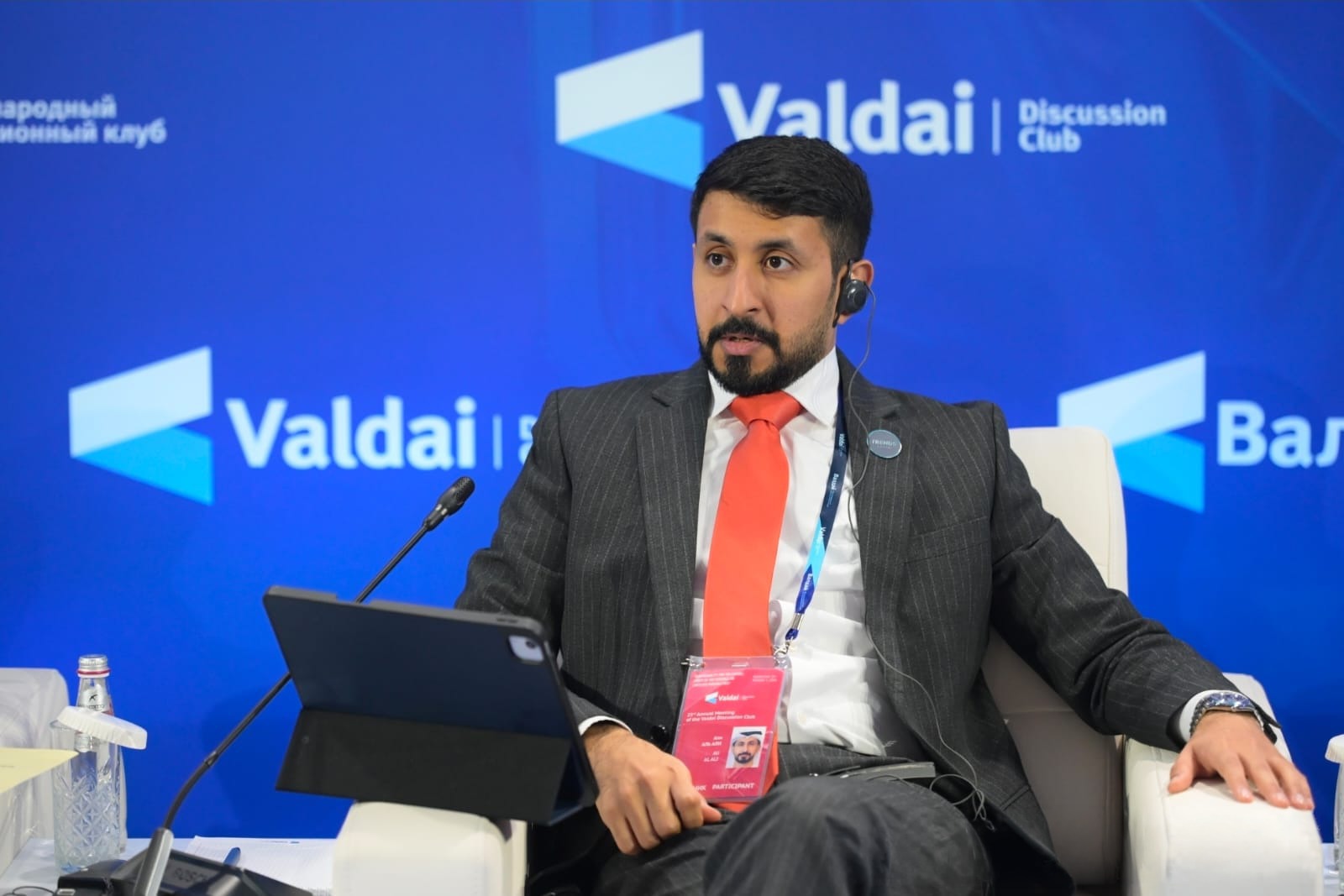
He noted that Asia is not a single model. It includes countries stretching from northern Eurasia to Southeast Asia, each with its own systems, cultures, and differing priorities. This diversity can be a source of strength, allowing the region to develop flexible forms of cooperation and build partnerships that reflect the breadth of its varied experiences.
Long-Term Development
Al Ali indicated that the United Arab Emirates has become a major investor in Asian markets, with its investments strengthening economic ties and supporting long-term development across the region. The UAE is one of the largest investors in India, with investments exceeding $20 billion in ports, logistics, renewable energy and digital infrastructure. Emirati investments in Indonesia have also grown significantly, reaching $10 billion in recent years and covering diverse projects in renewable energy, agriculture and infrastructure.
He explained that the UAE and South Korea maintain strong investment ties, particularly in energy and advanced technology. At the same time, the UAE is a key partner in China’s Belt and Road Initiative, with investments covering logistics hubs, industrial zones and financial cooperation. Trade between the UAE and China has exceeded $95 billion annually.
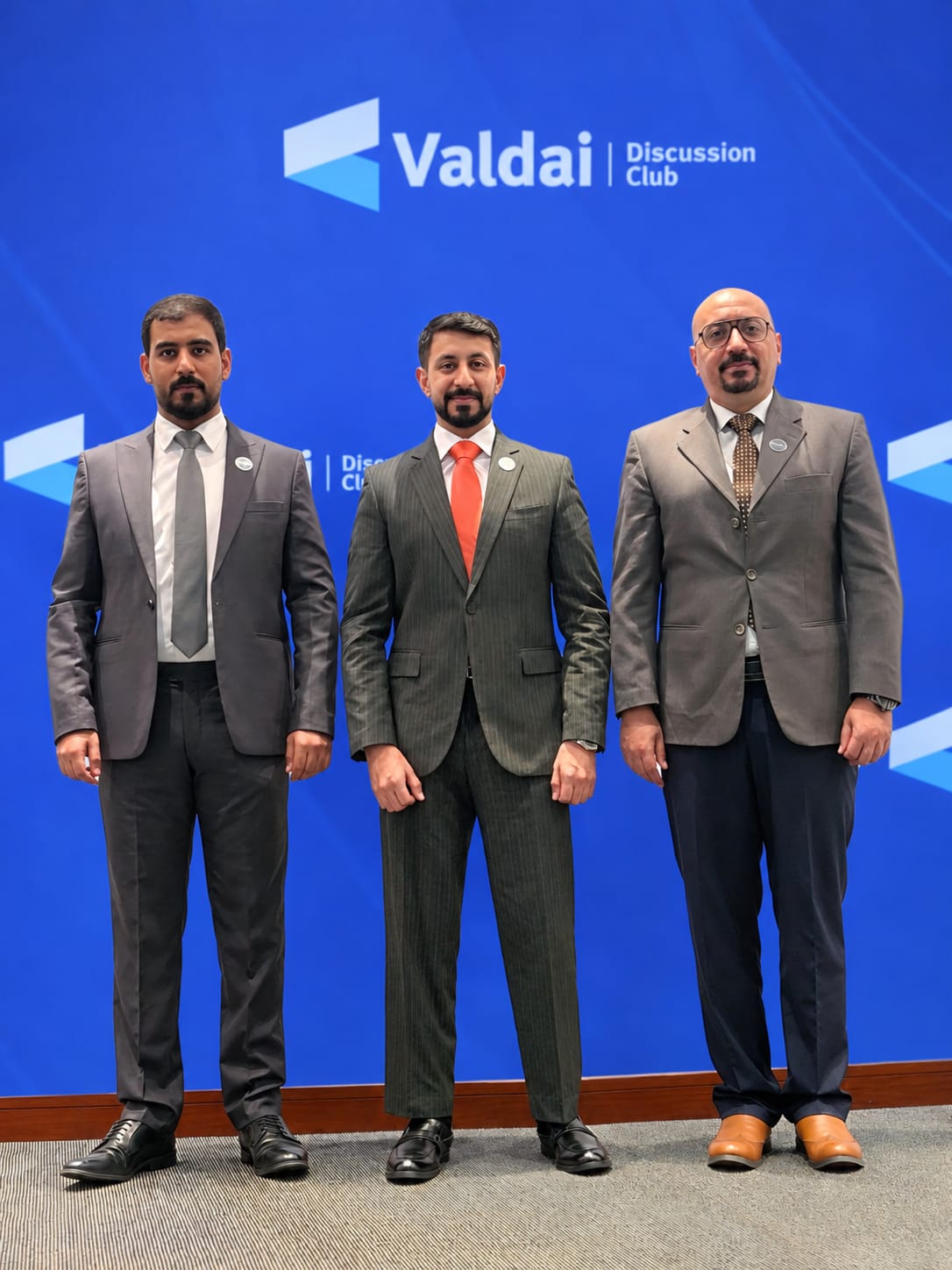
Al Ali stressed that such partnerships can contribute to a more balanced and stable global system that encourages shared responsibility in several areas, including energy, technology, food security and climate change. However, the key question remains: How will Asia’s rise be managed within the global system? And how can it contribute to a world that benefits from cooperation rather than competition?

