
The group continued to attract visitors, researchers, and specialists to its pavilion, where they explored its publications, research projects, programs, and initiatives.
On the fifth day of its participation in the 35th Abu Dhabi International Book Fair, TRENDS Group continued its diverse program of cultural, academic, knowledge, and training activities, attracting visitors, researchers, and specialists to its pavilion to explore its publications, research projects, programs, and initiatives.
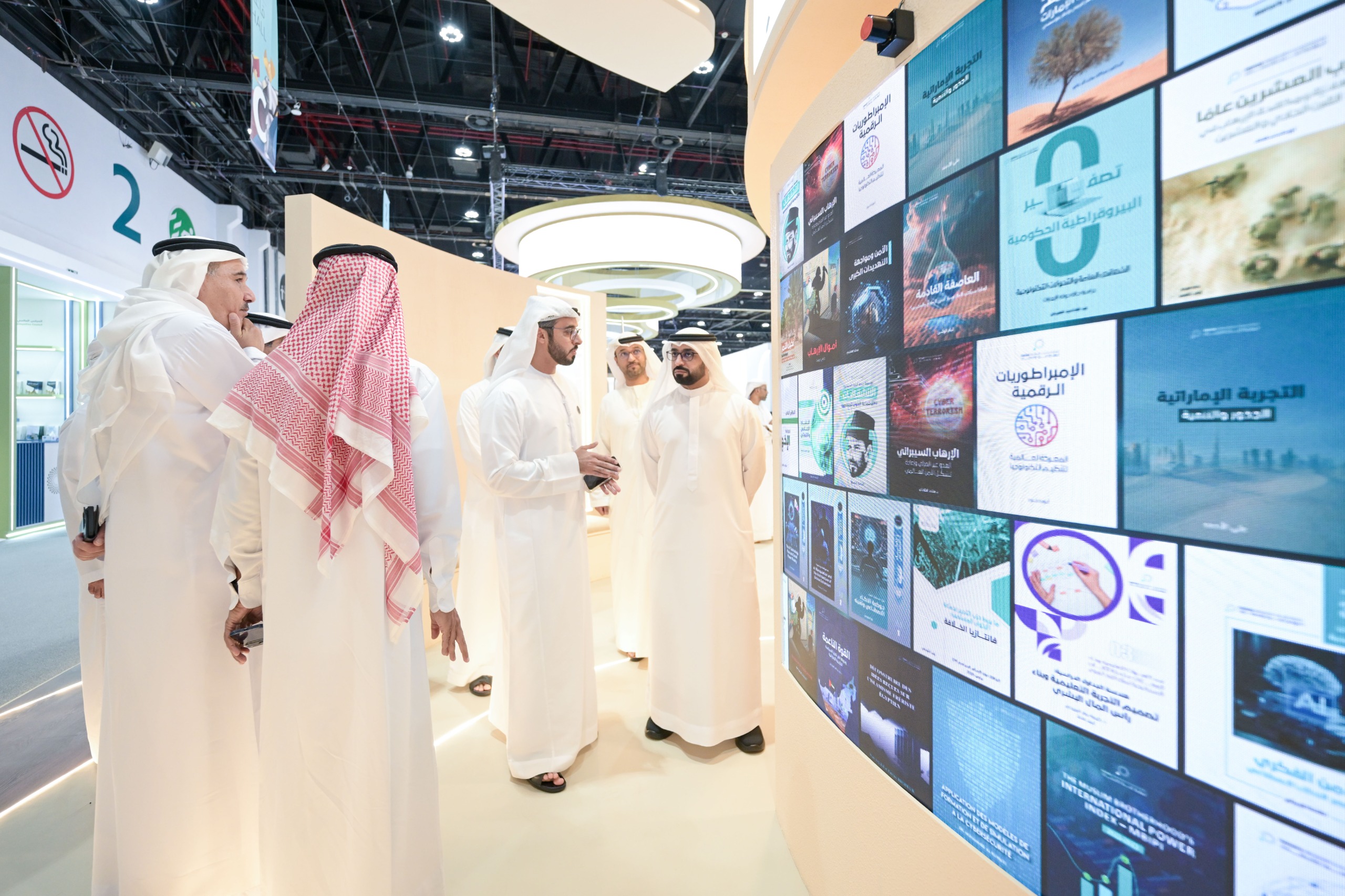
The day featured a session titled Leadership in Times of Crisis: The UAE Model of National Resilience, a discussion on AI and knowledge, a cooperation agreement with the Emirates Management Consultants and Trainers Association (EMCT), a leadership and innovation workshop, a session on intellectual property in the age of AI, and the signing of two research books on the UAE’s strategic autonomy and the Muslim Brotherhood.
Leadership in Times of Crisis
The program opened with a session titled Leadership in Times of Crisis: The UAE Model of National Resilience, featuring Badriya Hilal Al Riyami, Principal Researcher and Director of the Political Islam Department at TRENDS, and Alia Darwish Al Nuaimi, Principal Researcher at TRENDS. The session examined how leadership, institutions, society, and the economy strengthen a country’s ability to confront crises and maintain continuity.
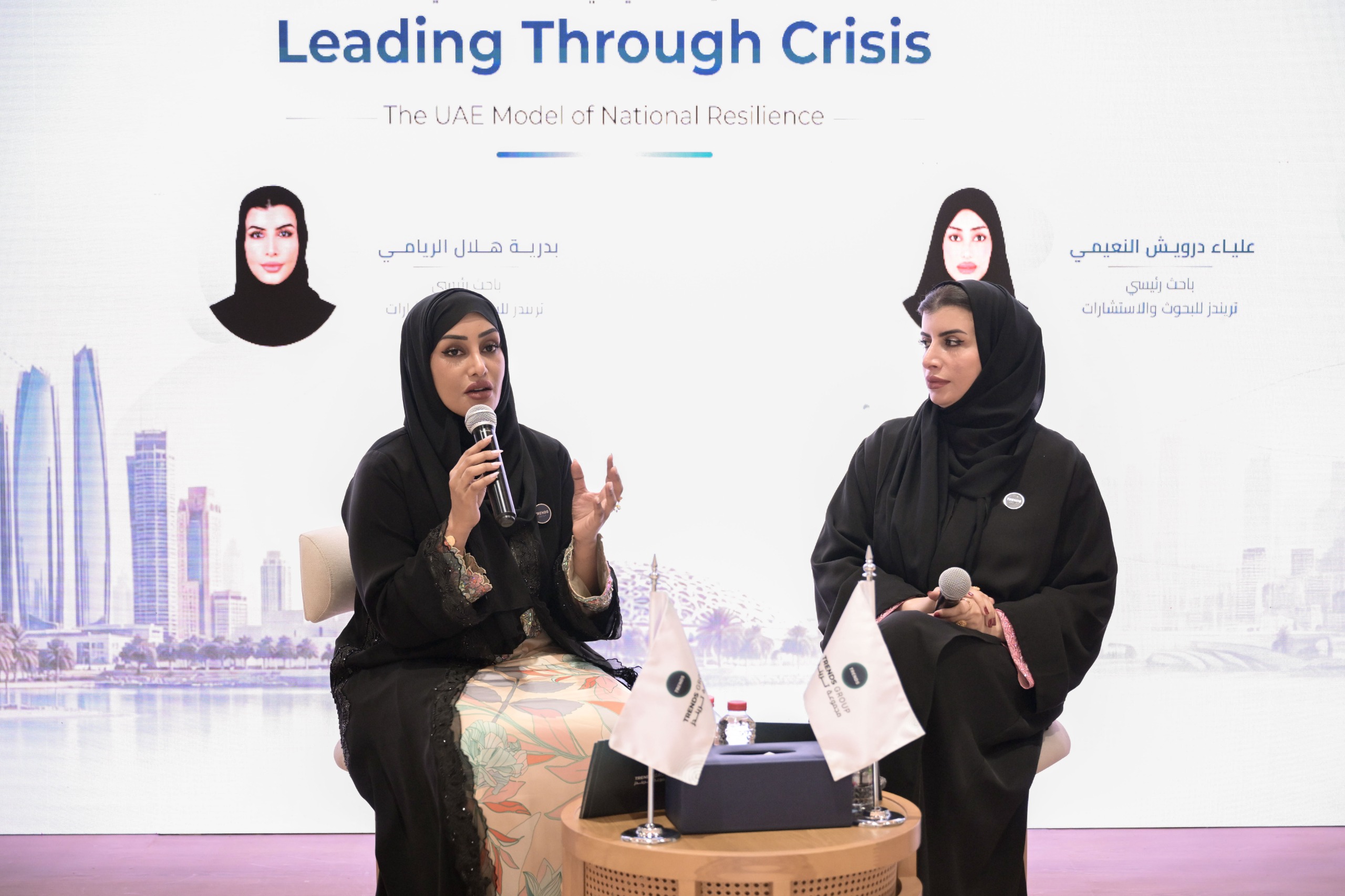
Al Riyami stressed that crisis leadership is measured not only by the speed of responding to threats, but also by the ability to protect strategic decision-making and prevent threats from dictating their course. She highlighted the balance between safeguarding sovereignty, managing escalation, and preserving independent decision-making. Al Nuaimi discussed comprehensive national resilience, noting that it extends beyond military preparedness to include institutional continuity, essential services, the economy, social cohesion, information management, and countering misinformation.
She identified five interconnected dimensions of resilience: leadership and institutions, security and defense readiness, economic and service continuity, social cohesion, and strategic communication.
The New Age of Knowledge
The TRENDS pavilion also hosted a discussion titled The New Age of Knowledge: How AI Is Changing the Way We Read, Learn and Think, featuring Dr. Saeed Al Dhaheri, Director of the Future Studies Center at the University of Dubai, and Noura Al Mazrouei, Principal Researcher and Director of the AI Department at TRENDS.
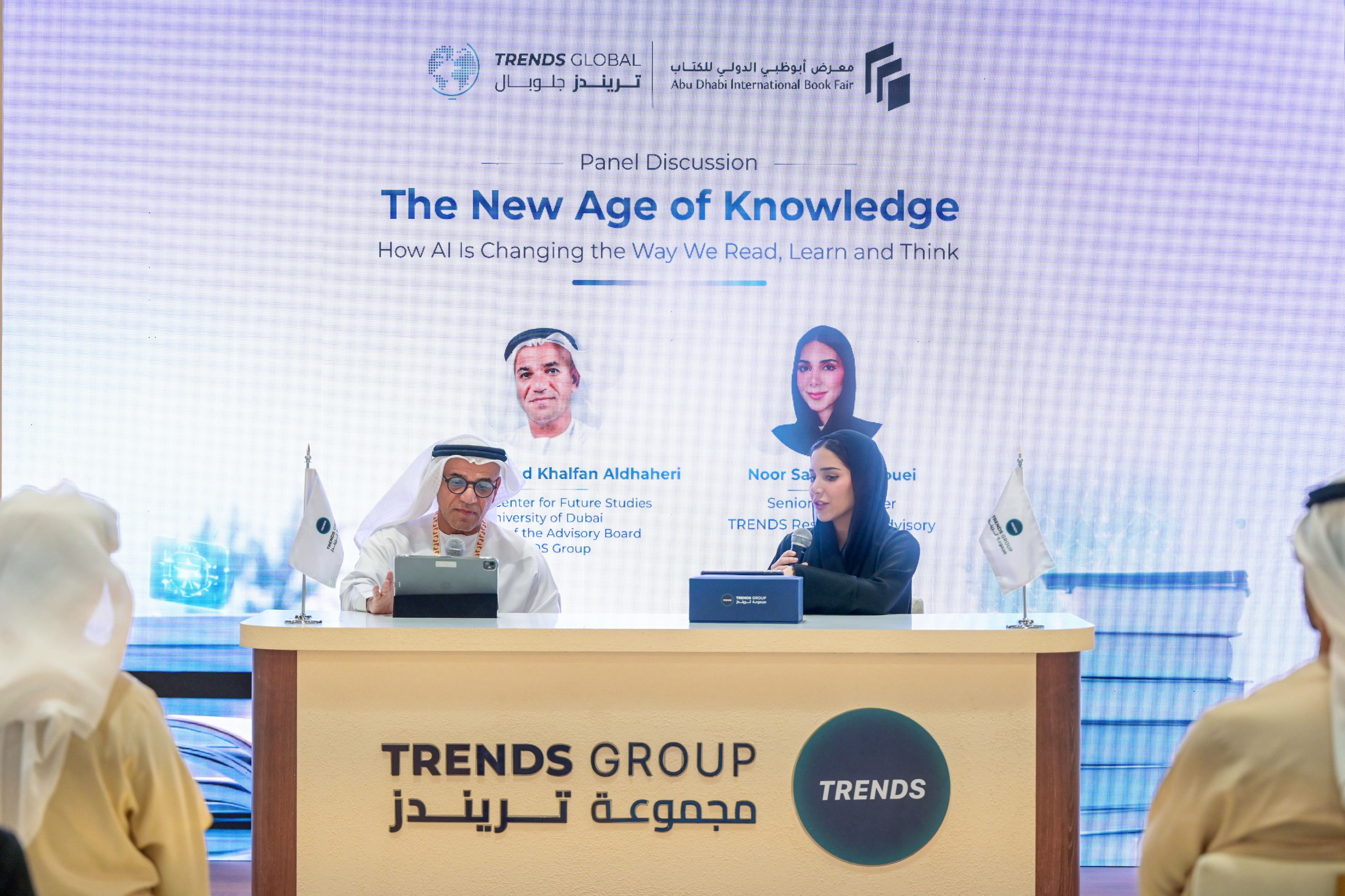
The discussion examined how generative AI is reshaping the way people think and acquire knowledge. It noted that while the internet and search engines provide unprecedented access to information, AI increasingly acts as an intermediary by delivering ready-made answers and summaries.
The speakers stressed that easy access to summaries does not necessarily constitute deep understanding. A reader may know what a research paper says without understanding its methodology, assessing the quality of its evidence, considering competing arguments or identifying what may have been omitted.
The discussion therefore emphasized the distinction between accessing information and acquiring knowledge, while calling for users to remain intellectually engaged. Rather than simply asking AI for answers, users were encouraged to challenge its outputs, test assumptions, and adopt a more active, Socratic approach that supports critical thinking and human creativity.
Cooperation with EMCT
TRENDS Group signed a cooperation agreement with the Emirates Management Consultants and Trainers Association (EMCT) to strengthen collaboration in training, professional development, and management consultancy, as well as the exchange of knowledge and expertise.
Dr. Mohammed Al Ali, Chairman of TRENDS, and Dr. Ali bin Sebaa Al Marri, Chairman of EMCT, signed the agreement. The agreement supports joint training and knowledge activities, the exchange of expertise and best practices, and initiatives to develop professional capabilities and institutional innovation.
‘How Leaders Create Innovation’
Following the signing, the TRENDS Training Institute, in cooperation with EMCT, held a workshop titled Think Differently: How Leaders Create Innovation, presented by Dr. Ahmed Al Barqani, Director of the Association.
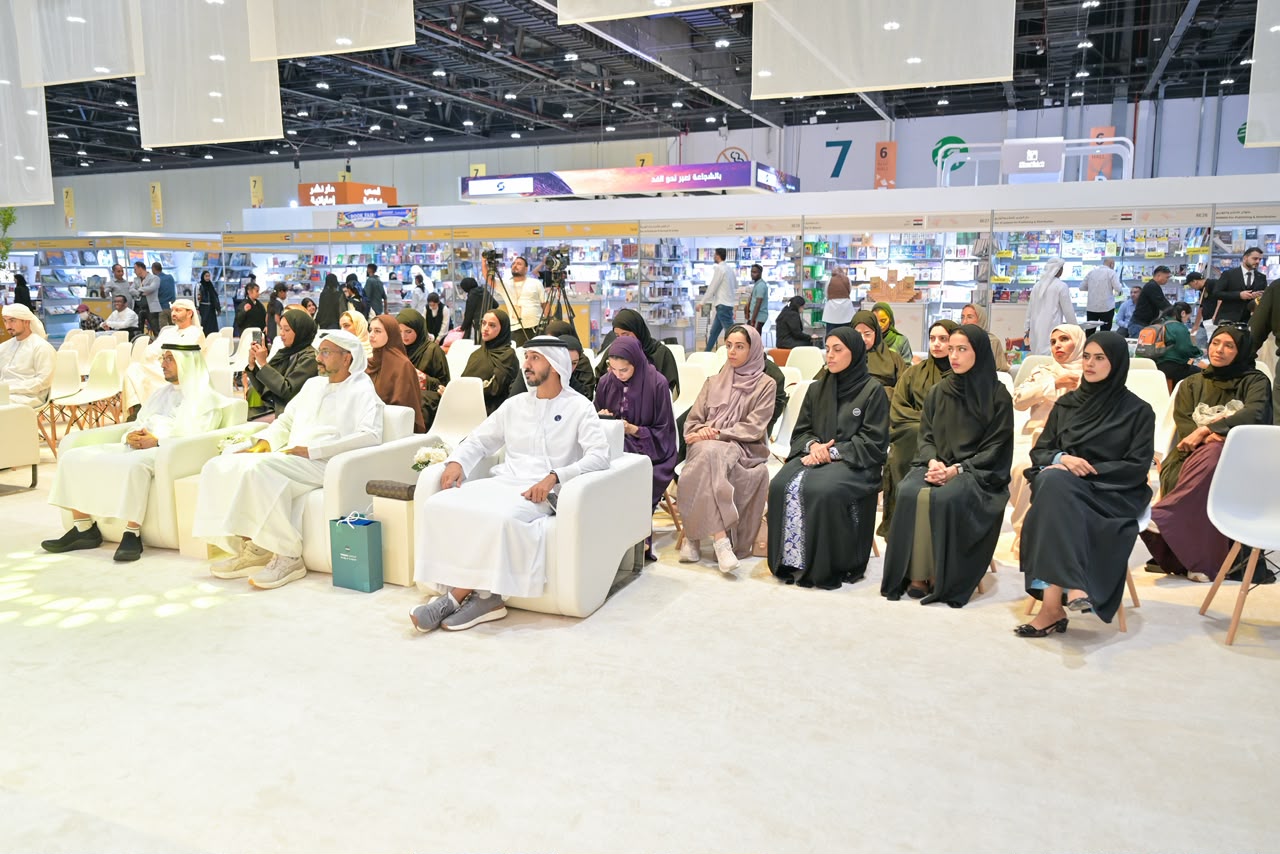
The workshop explored creative thinking methods and modern leadership tools, presenting practical models to help leaders move beyond traditional decision-making approaches and foster innovation within organizations.
Intellectual Property in the Age of AI
The Emirates Lawyers and Legal Consultants Association, in cooperation with the TRENDS Research & Advisory Center, held a session titled The Book No Human Wrote: Who Owns the Idea When the Machine Writes It? The session examined legal rights and intellectual property issues surrounding AI-generated texts and books, as well as the readiness of legislation to address this digital transformation.
Dr. Abdullah Yousef Al Nasser, Head of the AI Team at the Emirates Lawyers and Legal Consultants Association, spoke at the session, which lawyer Adel Abdul Qader Fakher, Head of the Media Center and Board Member of the Association, moderated.
Strategic Autonomy
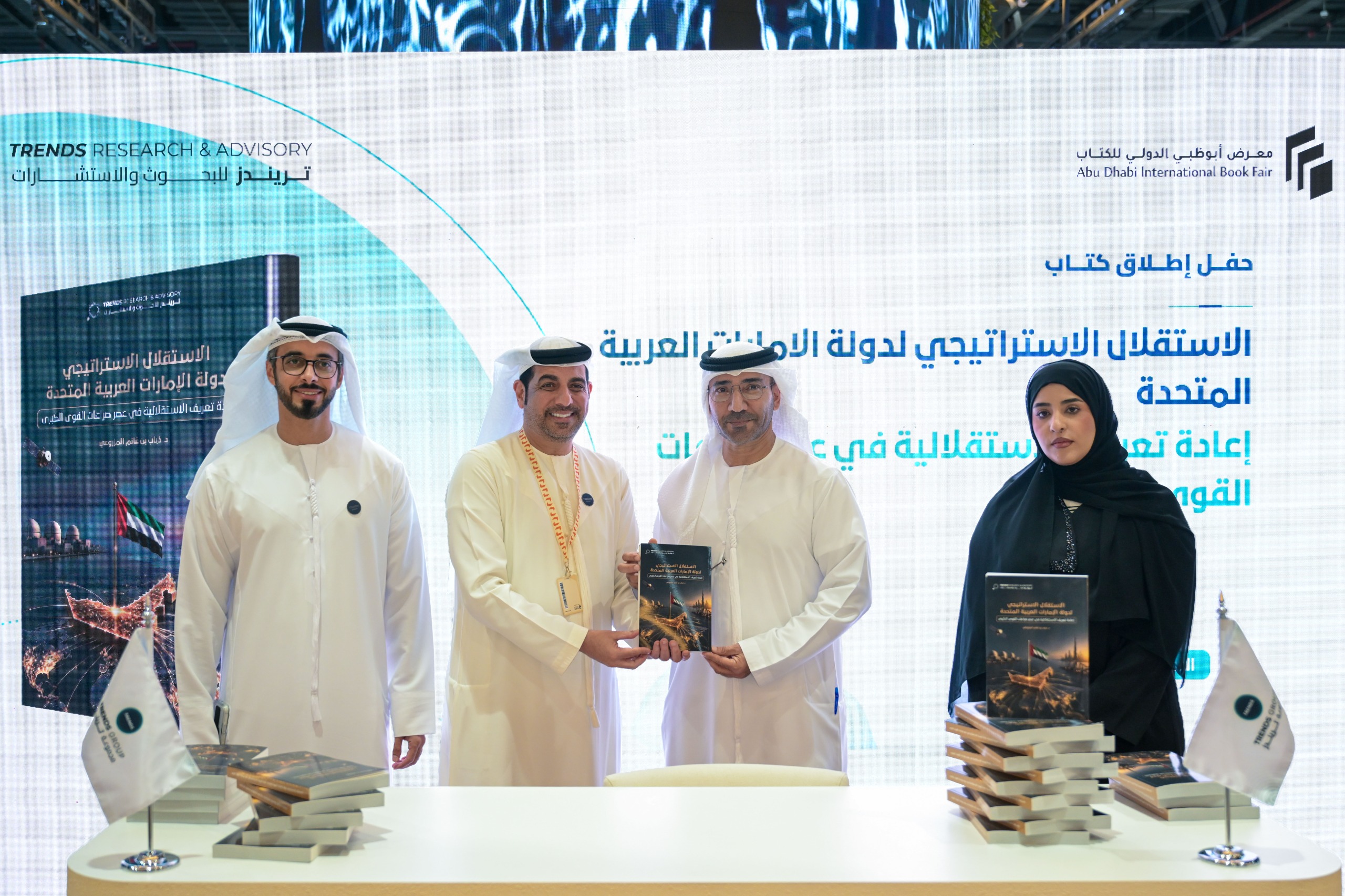
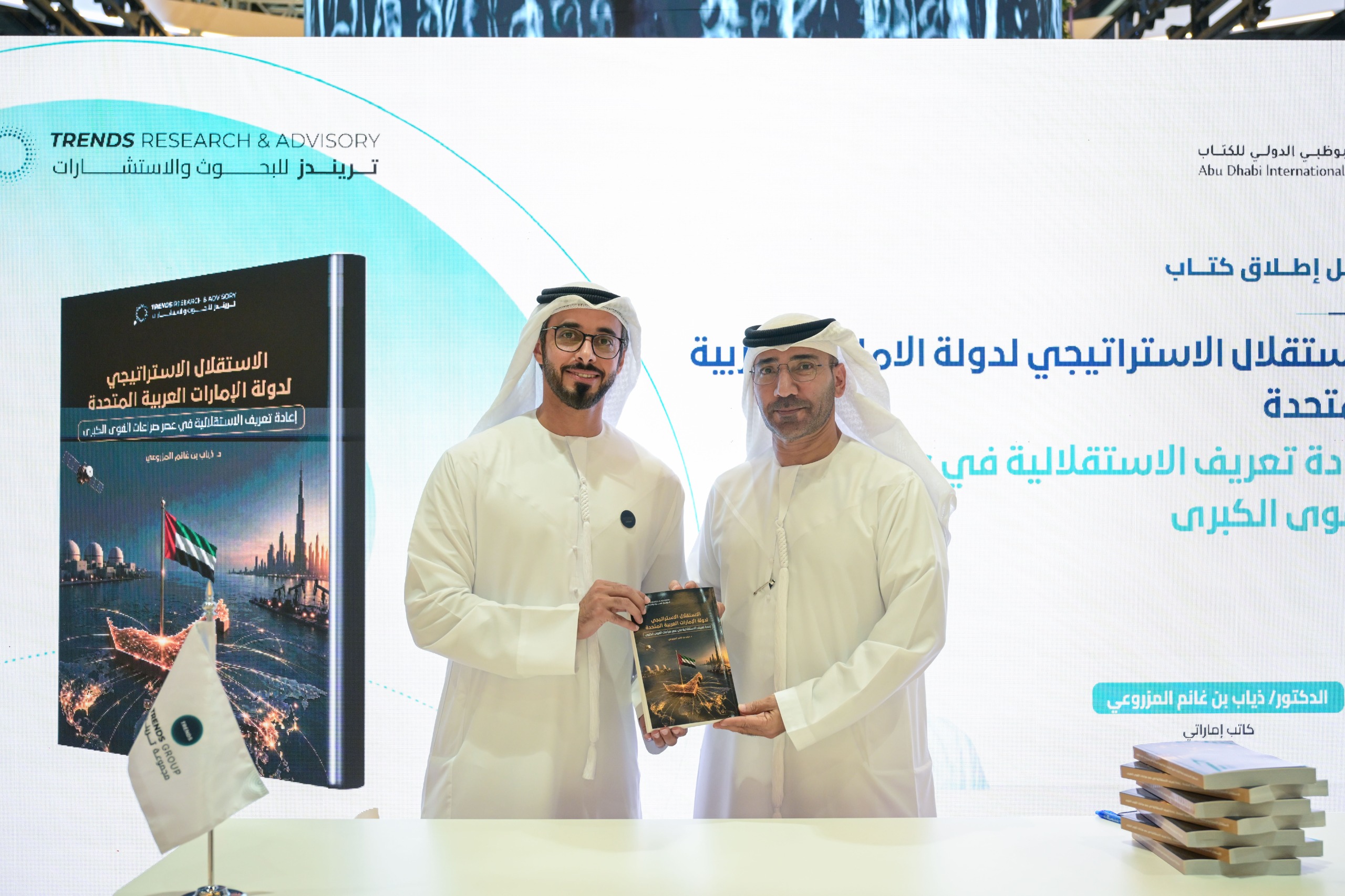
The TRENDS pavilion hosted the signing of The Strategic Autonomy of the United Arab Emirates: Redefining Autonomy in an Era of Great-Power Rivalry, by Dr. Dhiab bin Ghanem Al Mazrouei. The book examines strategic autonomy, distinguishes it from legal sovereignty, and explores its role in protecting national interests and maintaining independent decision-making amid geopolitical competition.
The Muslim Brotherhood After a Century
The fifth day concluded with the signing of The Muslim Brotherhood After a Century, by researcher Hamad Al Hosani. The book traces the Muslim Brotherhood’s history since its establishment in 1928, examining changes in its organizational, ideological, and political structures, including its 2012 experience in government and subsequent developments.
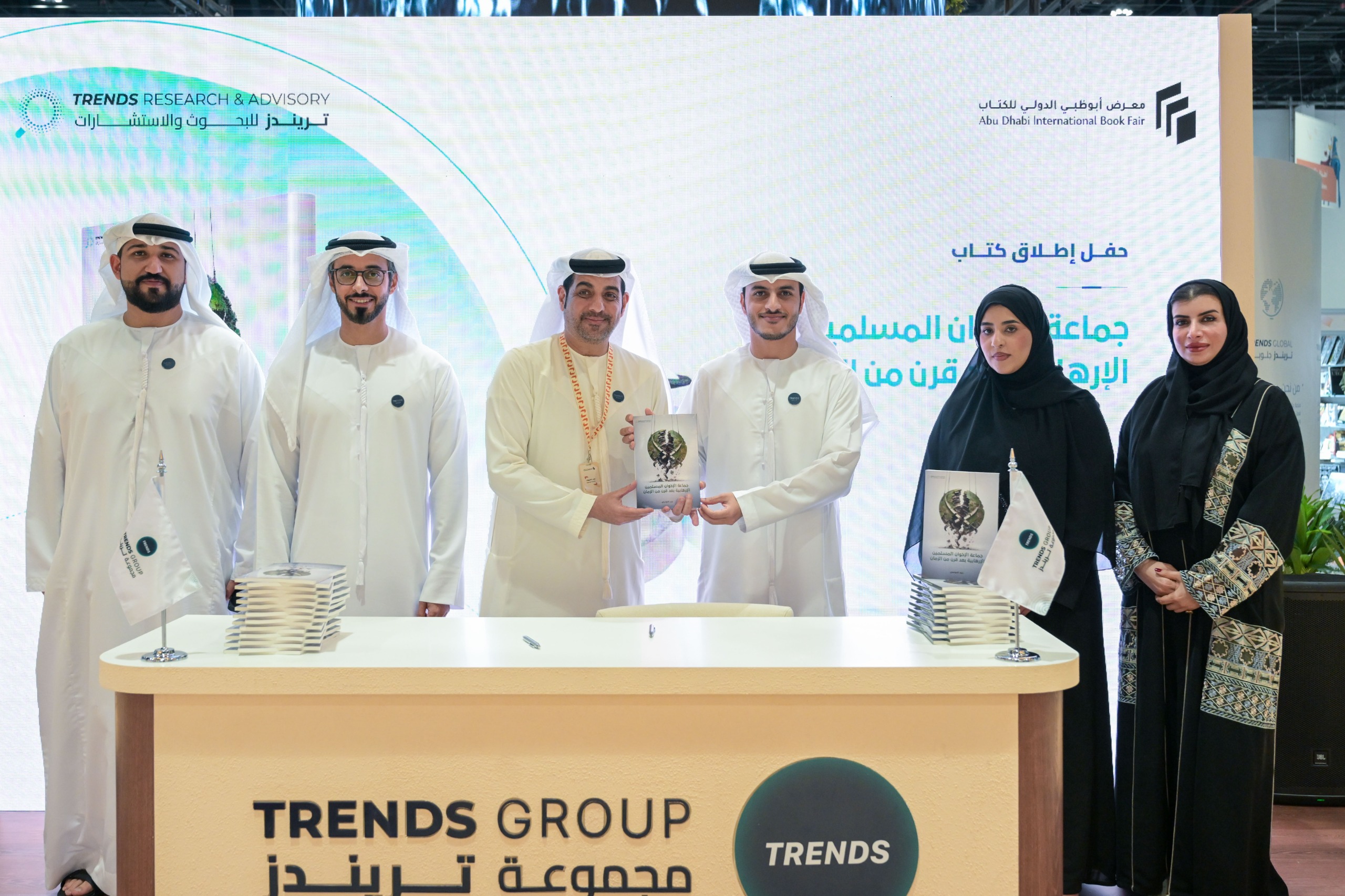
It also examines internal transformations and differences within the movement, as well as the organizational, ideological, and structural challenges the author identifies across different stages of its history.

