In cooperation with the Russian Valdai Discussion Club
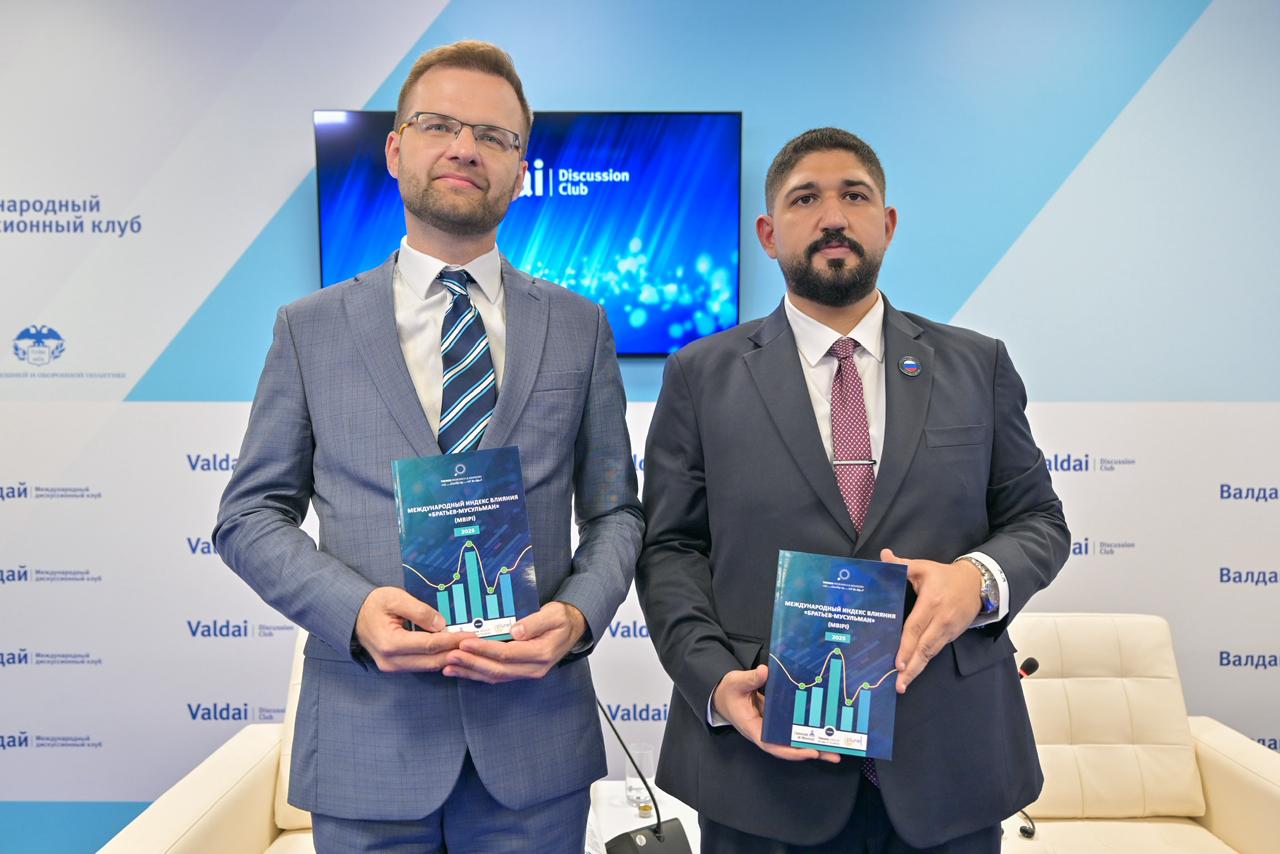
As part of its efforts to combat extremist ideology, TRENDS Research & Advisory, part of TRENDS Group, launched the Russian version of the Muslim Brotherhood International Power Index 2025, in cooperation with the Russian Valdai Discussion Club, at the headquarters of the Russian State Duma in Moscow.
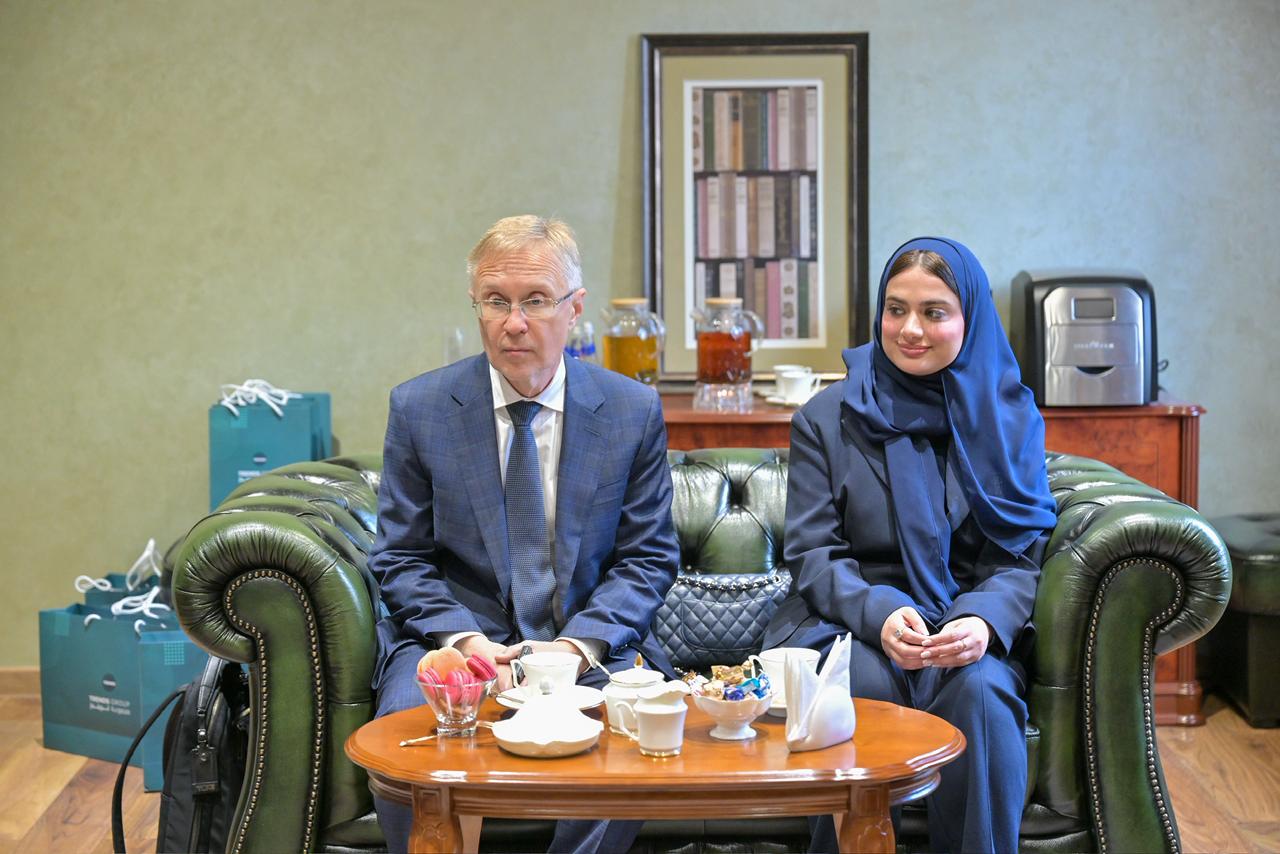
Andrey Bystritsky, Chairman of the Board of the Valdai Discussion Club; Dr. Mohammed Abdullah Al-Ali, Chairman of TRENDS Group; and a distinguished group of researchers, academics, and experts attended the launch.
The index highlights a notable decline in the group’s overall strength, which fell from 67.7 percent in the first edition in 2021 to 47.3 percent in the 2025 Index. The Index seeks to provide objective, credible answers on the Muslim Brotherhood’s ability to achieve its objectives, impose its will, and anticipate its future trajectory.
Specialized Research Knowledge
Dr. Mohammed Abdullah Al-Ali, Chairman of TRENDS Group, said: “Today, we celebrate the launch of the Russian version of the ‘Muslim Brotherhood International Power Index 2025’, which reflects the level of research cooperation with the Valdai Discussion Club. This step contributes to making specialized research knowledge accessible to Russian-speaking researchers, interested audiences, and readers”.
A Flexible Network Model
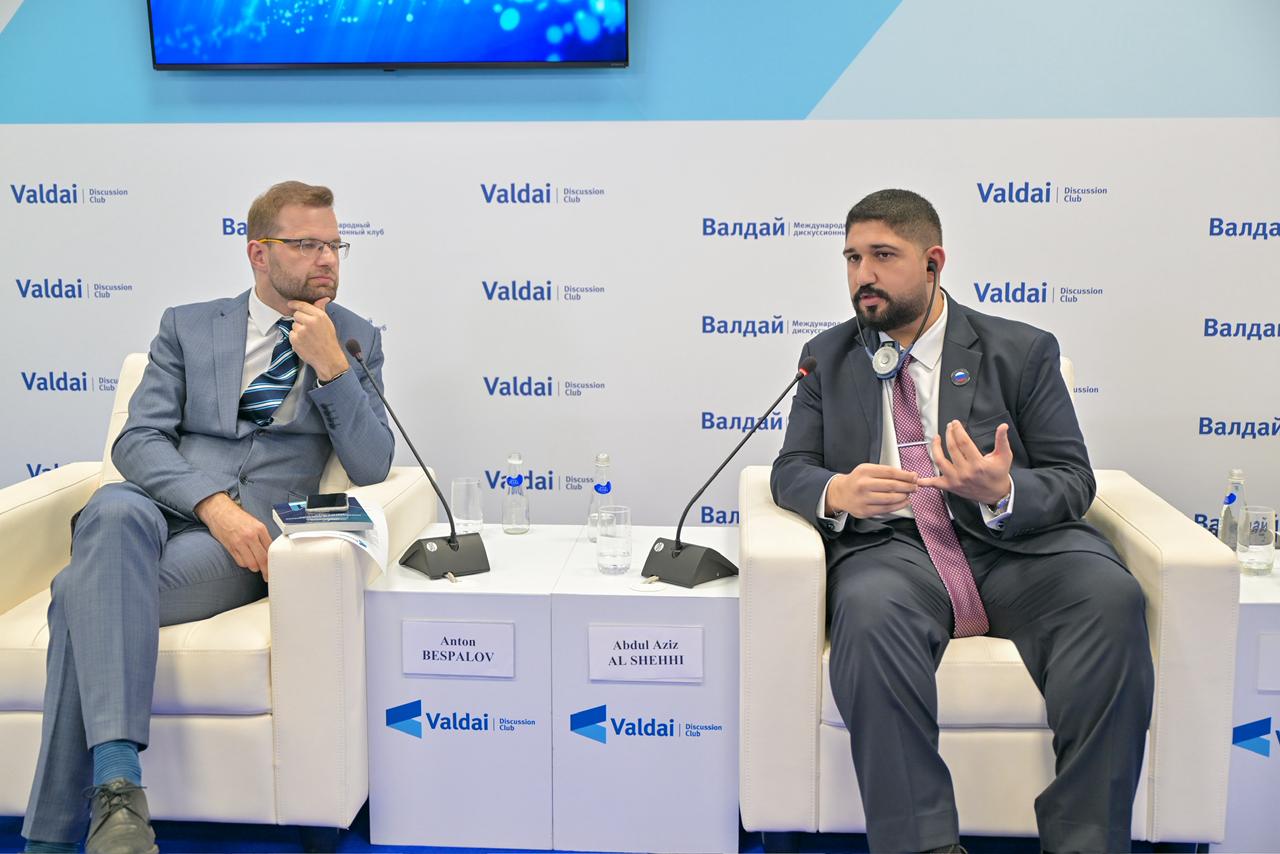
Abdulaziz Al-Shehhi, Deputy General Manager of TRENDS Research & Advisory, stressed that the Index provides clear early indications of current and future developments in the Muslim Brotherhood’s strength at the international level. He said the findings reflect the group’s shift from a traditional political organization model toward a more flexible network model based on social, media, and symbolic presence.
He stated that the data reveal a shift in the geographical center of gravity of the group’s influence. While the Arab world historically represented its principal sphere of presence, its share declined to 15.5 percent in 2025. The Americas ranked first at 24.8 percent, followed by Asia at 22.5 percent, Africa at 20.2 percent, and Europe at 17.0 percent. This distribution points to an increasing repositioning outside the Arab sphere amid organizational fragmentation, government pressure, and the loss of some political bases. At the same time, the group continues to operate through educational, religious, social, and charitable networks in other regions.
The Nature of Power
Al-Shehhi explained that this transformation is not limited to geography, but also extends to the nature of power itself. Social power, at 27.1 percent, has become the most prominent component of the group’s influence, followed by media power at 26.1 percent, economic power at 23.6 percent, and political and security power at 22.9 percent. In comparison, the strength of the international organization did not exceed 0.3 percent. He added that this means the group is increasingly shifting from the traditional political organization model toward a network-based model that does not depend on direct access to power.
Divisions and Conflicts
Al-Shehhi indicated that a combination of overlapping factors, including internal divisions and leadership conflicts, mounting legal and security pressures, declining media credibility, and unfavorable geopolitical shifts can explain this decline.
He noted that these factors lead to a fundamental conclusion: the Muslim Brotherhood has not yet disappeared, but it is transforming. Its project has become less political in the traditional sense and more ideological, media-oriented, and widespread across the digital sphere.