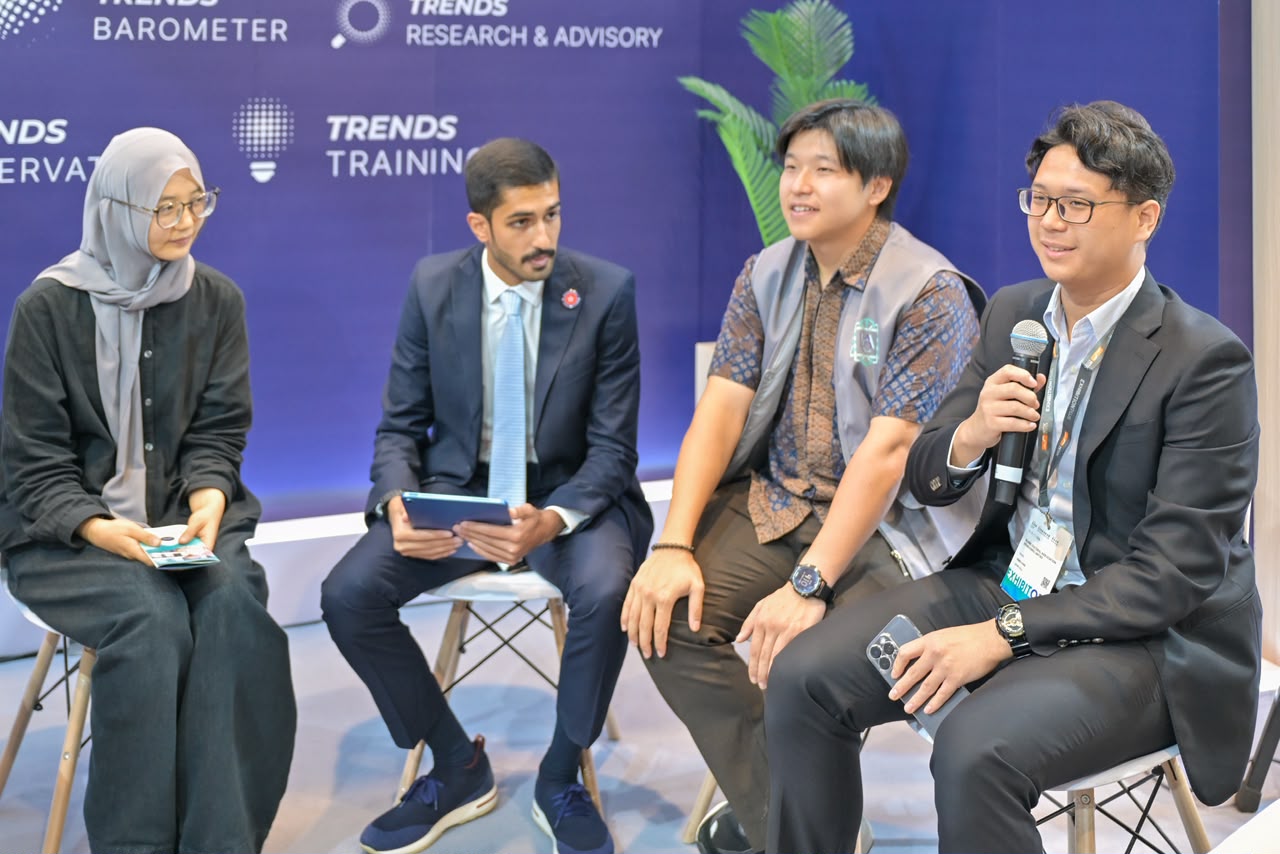
The discussion brought together young researchers from TRENDS and leaders of youth and Islamic cultural organizations in Hong Kong.
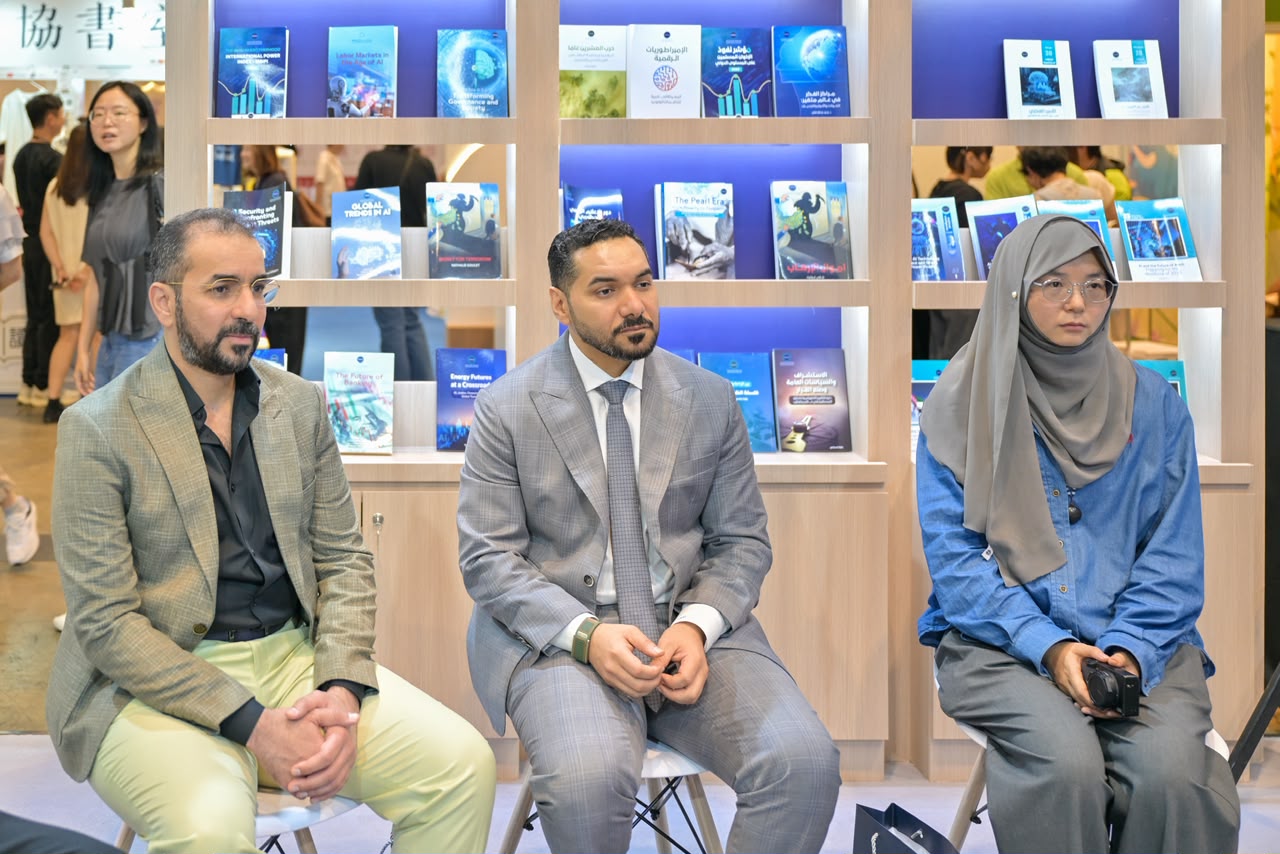
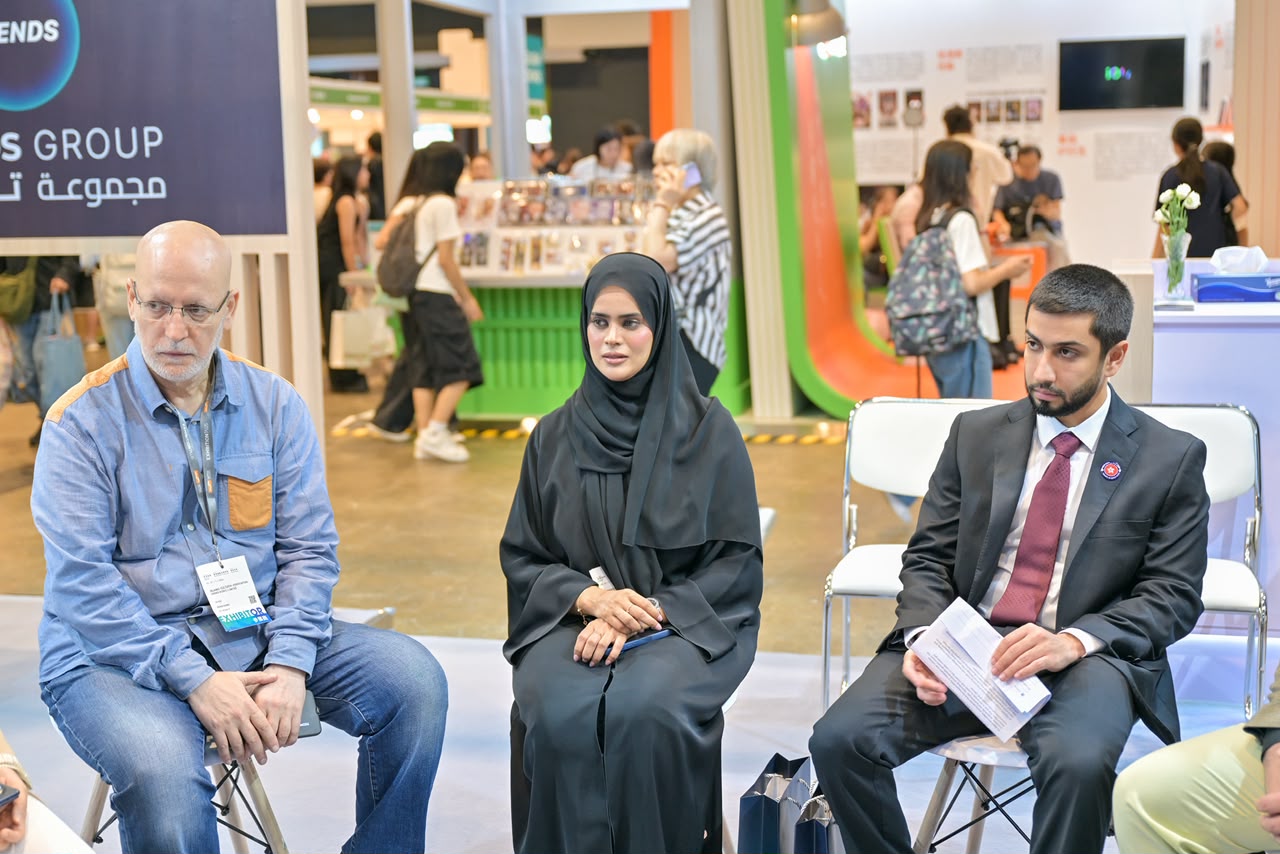
During its participation in the Hong Kong International Book Fair and under the umbrella of cultural and knowledge diplomacy, TRENDS Global, part of TRENDS Group, organized a distinguished youth panel discussion titled Preserving Cultural Heritage in the Digital Age: How Young People Are Redefining Heritage. The event was held at the TRENDS pavilion at the Hong Kong Convention and Exhibition Center. It was attended by Sheik Saud bin Ali Al Mualla, Consul General of the United Arab Emirates in Hong Kong, along with several academics, researchers, and experts interested in cultural identity and digital technology.
The discussion brought together young researchers from TRENDS alongside leaders of youth and Islamic cultural organizations in Hong Kong to explore a key challenge: how to empower the new digital generation to use future technologies, including artificial intelligence and interactive platforms, to preserve the authenticity of the past and keep cultural heritage alive and relevant for future generations.
Shared Ideas and Knowledge Bridges
The session opened with remarks by TRENDS researchers Rawdha Al Marzouqi, Head of Distribution and Exhibitions Sector at TRENDS Research & Advisory, and Warda Al Menhali, Head of the Corporate Communications Sector.; Zayed Khaled Al-Dhaheri, Director of the Distribution Department; and Hazza Al-Hammadi, Director of the Exhibitions Department. They emphasized that the UAE offers an inspiring model for balancing tradition and modernity. The speakers noted that technology is no longer simply a tool for convenience, but has become the “new infrastructure” through which national and cultural identities will reach the future, provided young people lead this transformation with awareness and responsibility.
Ibrahim Sit, Director of the Islamic Cultural Association in Hong Kong, and Abdul Aziz Ma, Vice Chairman of the Hong Kong Islamic Youth Association, presented a paper highlighting the unique challenges facing cultural and religious identities in multicultural societies. They stressed that the digital space offers a valuable opportunity to create “museums without walls” that introduce global communities to shared human values and authentic cultural heritage.
Key Discussion Themes
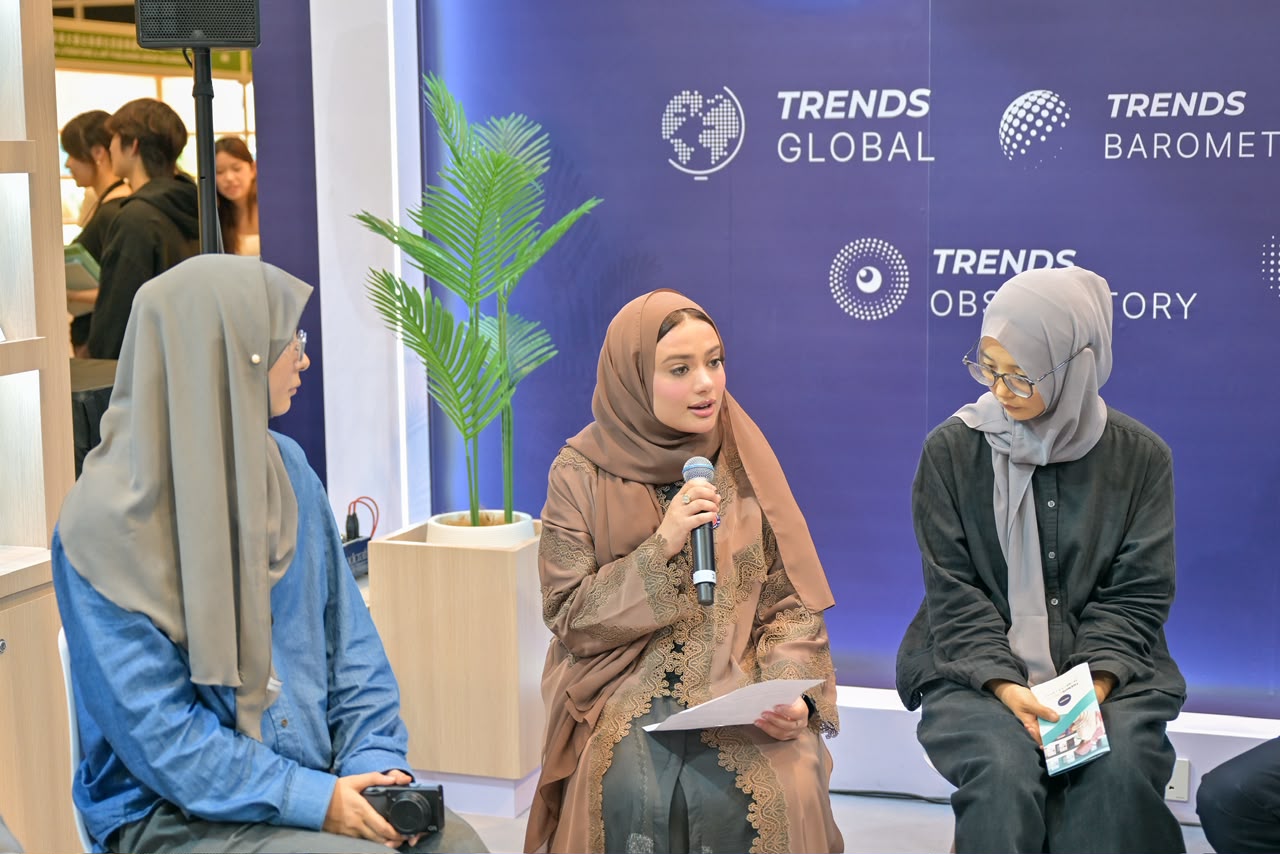
The discussion was organized around three main themes. The first explored artificial intelligence as a guardian of heritage and a protector of collective memory. Participants examined the transformative potential of generative AI in preserving both tangible and intangible cultural heritage. The session highlighted practical applications, including the use of machine learning algorithms to accurately translate rare manuscripts and historical texts, digital restoration technologies for old photographs and visual archives, and the development of intelligent cloud-based archives that enable young people and researchers worldwide to access historical and linguistic resources instantly, regardless of geographical boundaries.
The second theme focused on social media platforms and the concept of the “open museum.” Participants discussed the profound shift in how knowledge is consumed, noting that traditional museums are no longer the only source of historical learning. Speakers explained how podcasts, short-form videos, and visual storytelling are transforming heritage into engaging and interactive content. Participants also explored an important question: How can social media algorithms be directed to promote credible cultural content instead of contributing to the oversimplification of knowledge?
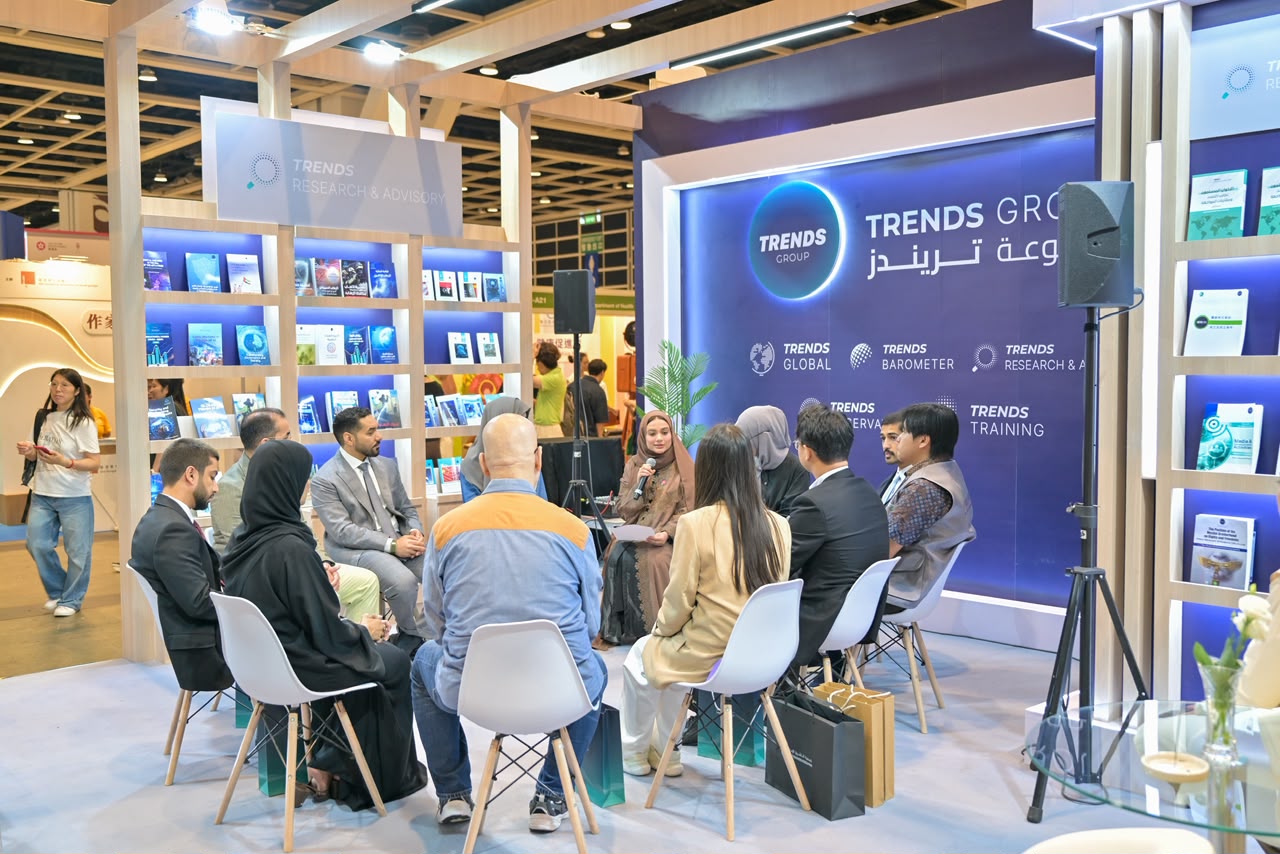
The third theme, titled Youth as the New Storytellers of History, focused on the ethical and historical responsibility of young people. Participants agreed that preserving heritage does not mean freezing it in the past, but rather reimagining it in the language of the present through digital arts and modern platforms. They emphasized the importance of enabling young people to take the lead in documenting their own cultural stories and passing them on to future generations, ensuring they are protected from distortion or disappearance in today’s vast digital landscape.
Recommendations
At the conclusion of the session, participants presented a set of practical recommendations to turn ideas into concrete initiatives and projects. They called on research centers and knowledge institutions to work with software developers to create large language models (LLMs) dedicated to preserving and revitalizing endangered local languages and traditional dialects.
They also recommended launching joint training programs to equip young people with skills in heritage journalism and digital documentation, enabling them to produce engaging, well-documented cultural content.
Participants called for the development of digital protocols and “smart watermarks” to protect digitally archived historical images and documents from forgery and manipulation through deepfake technologies.
The recommendations concluded with a proposal to establish a shared, interactive digital platform that connects young researchers from the Middle East and East Asia to exchange expertise in heritage digitization and to promote the values of tolerance and cultural coexistence.