
In a significant step reflecting growing European interest in the issue of political Islam, the Italian Chamber of Deputies (Bruno Salvadori Hall) hosted a major international conference titled “Integration and the Implications of the Presence of the Muslim Brotherhood in Europe.”
The conference, organized in cooperation between TRENDS Global, affiliated with the TRENDS Group, the Milton Friedman Institute in Rome, and the Department for the Integration of Foreign Communities of Italy’s League Party, witnessed the launch of the Italian edition of the Muslim Brotherhood International Power Index, along with four books from the TRENDS Encyclopedia on the group, in the presence of prominent representatives of legislative institutions, academics, and researchers.
Hamad Al Hosani: Decoding the Group’s Digital and Economic Infiltration
In a keynote and comprehensive presentation during the conference, Hamad Al Hosani, Senior Researcher and Head of the Terrorism and Extremism Studies Sector at Trends, delivered a detailed analysis of the hidden dimensions of the group’s strategies across Europe. Al Hosani warned that the group’s threat extends beyond traditional religious discourse to directly affect the national security of states, stressing that the Muslim Brotherhood relies on soft power as a strategic tool of infiltration that is, in many respects, more dangerous than weapons.
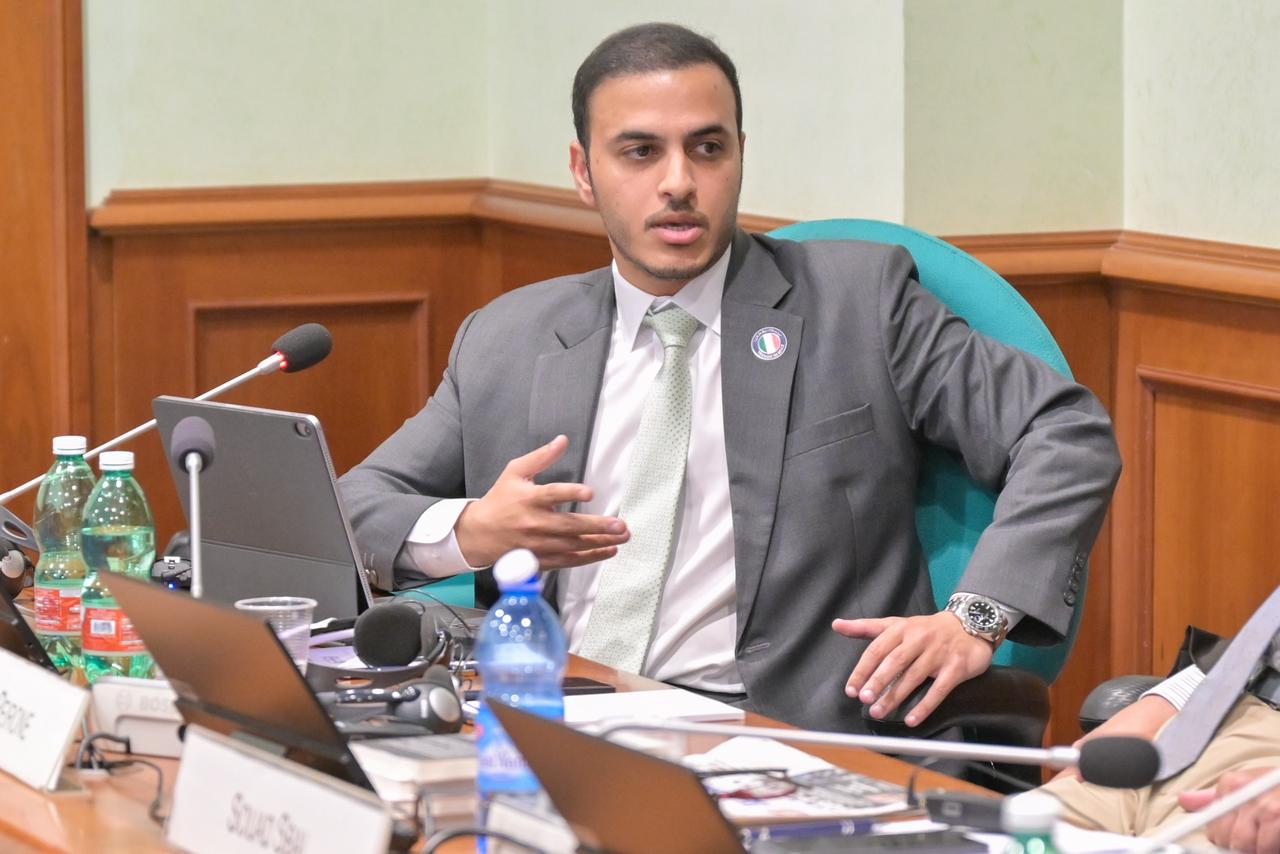
Al Hosani explained that the Brotherhood is currently implementing in Europe the same long-term strategy it previously pursued in the Middle East. According to him, the group begins with religious, charitable, and social activities to gain the sympathy of the most vulnerable segments and shift their loyalty from the state to the group, ultimately building a parallel society within European cities that completely isolates individuals from their national environment through dedicated schools and sports centers.
On the financial front, the Emirati researcher revealed the scale of the group’s vast economic network, citing institutions such as Europe Trust in the United Kingdom (with assets exceeding £8.5 million), Islamic Relief (with revenues surpassing £130 million in a single year), Al Taqwa Bank, and the Milli Görüş Foundation in Germany.
His warning did not stop at traditional investments. Al Hosani also revealed what he described as a dangerous technological shift, namely the establishment by the group of companies specializing in artificial intelligence, investments in the electronic games sector, and the use of encrypted digital platforms as the latest and most dangerous stage of recruitment, ensuring secure communication and attracting new generations and university students across Europe away from strict security surveillance.
Badriya Al Riyami: The International Power Index: A Shift from Descriptive Narratives to Digital Measurement
For her part, Badriya Al Riyami, Senior Researcher and Director of the Political Islam Department at Trends, officially announced the launch of the Italian edition of the Muslim Brotherhood International Power Index, describing its unveiling from within a European legislative institution as “a historic milestone” in the study and deconstruction of the phenomenon of political Islam.
Al Riyami outlined the strategic objectives and methodological foundations of the index, explaining that it represents the first comprehensive practical framework based on quantitative data and evidence. Its primary objective is to move academic and political discussions from the realm of descriptive and impressionistic narratives to that of digital assessment and objective, precise, and impartial measurement,” free from politicization.
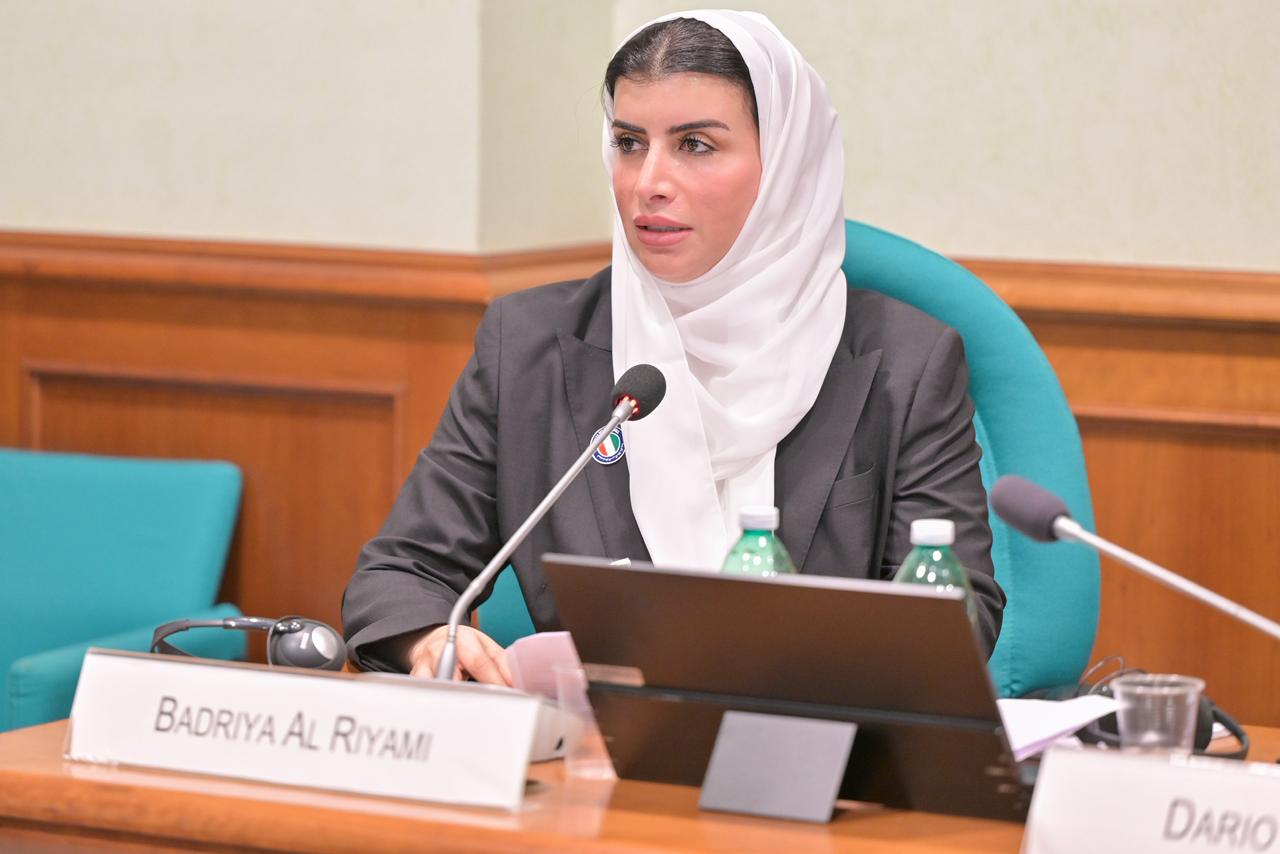
She added that the index provides governments, policymakers, and institutions in Italy and across Europe with an early warning tool capable of anticipating and analyzing changes in the Muslim Brotherhood’s strength and influence. She also explained that the index measures the group’s multidimensional power structure across five principal sectors: political, organizational, economic, media, and societal, within a comprehensive geographical framework covering Europe, the Arab world, Africa, Asia, and the Americas.
European Calls for a Unified Front
In the same context, a representative of the Milton Friedman Institute praised TRENDS’ proactive role in combating extremist ideology and promoting investment in the future, calling for stronger cooperation and the exchange of vital information to contain the expansion of the Muslim Brotherhood.
Meanwhile, Souad Sbai, former member of the Italian Parliament and President of the Association of Moroccan Women in Italy, called for the formation of a strong united front to protect second-generation Muslim youth in Europe from the dangers of radicalization and disorder. She warned that the threat has become more serious than ever, particularly as the European Union remains the only jurisdiction where the group has not been officially banned, whereas 17 countries worldwide, including 11 Islamic countries, have prohibited its activities.

