
Experts stress the need to strengthen intellectual security in confronting political Islam.
From the podium of the Salvadori Hall at the Italian Chamber of Deputies, Trends Global, through its Virtual Office in Italy, in partnership with the Milton Friedman Institute and the Department for the Integration of Foreign Communities of the League Party, organized a high-level panel discussion titled The Implications of the Presence of the Muslim Brotherhood in Europe.
The event was attended by His Excellency Abdullah Ali Al Subousi, Ambassador of the United Arab Emirates to the Italian Republic, and brought together a distinguished group of parliamentarians, academics, experts, and researchers specializing in terrorism, extremism, and political Islam.
The panel served as an international platform to discuss the political, social, intellectual, and security challenges associated with the presence of the Muslim Brotherhood in Europe, with a particular focus on issues of integration, national identity, the protection of public freedoms, and ways to address ideologically driven political movements that exploit democratic spaces to advance their objectives.
In a landmark event at the Salvadori Hall of the Italian Chamber of Deputies, TRENDS Research & Advisory officially launched the Italian edition of the International Power Index of the Muslim Brotherhood, along with the third, fourth, and fifth Italian-language volumes of the Muslim Brotherhood Encyclopedia. The launch was attended by several Italian parliamentarians, researchers, and media representatives, reflecting the significance of the outcomes of this pioneering academic dialogue in deconstructing the structure and influence of political Islamist movements.
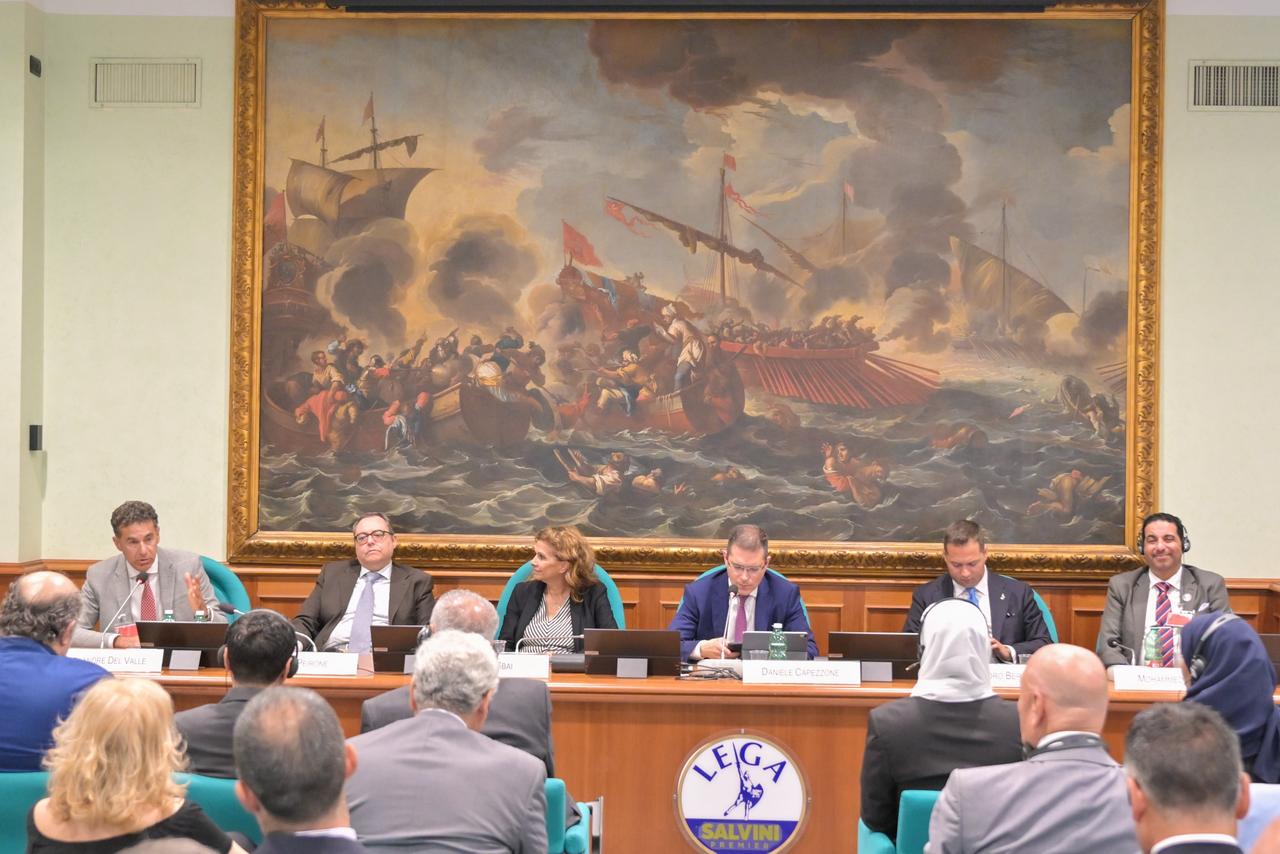
Under the Dome
The event commenced with welcoming remarks by Dr. Mohammed Abdullah Al Ali, CEO of TRENDS Research & Advisory, followed by an opening address delivered by Alessandro Bertoldi, Executive Director of the Milton Friedman Institute, Trends’ partner in organizing the panel discussion. Soad Sbai, former member of the Italian Parliament and Head of the Department for the Integration of Foreign Communities and Equal Opportunities at the League Party, also delivered remarks.
Intellectual and Traditional Security
In his address, Dr. Mohammed Abdullah Al Ali emphasized that Islamism, foremost among them the Muslim Brotherhood, no longer represents merely a direct security threat but has evolved into a soft institutional and intellectual threat that gradually influences educational, cultural, and civil institutions within European societies.
He explained that intellectual security constitutes a fundamental pillar of state stability because it promotes citizenship, critical thinking, an inclusive national identity, and moderate religious discourse. He stressed the importance of drawing a clear distinction between Islam as a religion that advocates peace and tolerance and Islamism as a political project that instrumentalizes religion to achieve ideological objectives.
He further noted that Islamist groups pursue long-term strategies based on gradualism, cultivating supportive environments, developing elites, and exploiting democratic mechanisms, freedom of association, and civil society activities to advance projects that conflict with the values of pluralism and the rule of law.
Dr. Al Ali also affirmed that addressing these challenges requires strengthening international cooperation, exchanging information, supporting scientific research, developing preventive policies, protecting educational institutions, and enhancing integration programs. He noted that Trends Research & Advisory has established itself as a leading research institution in the study of extremism and political Islam, employing scientific, data-driven methodologies grounded in objective analysis.
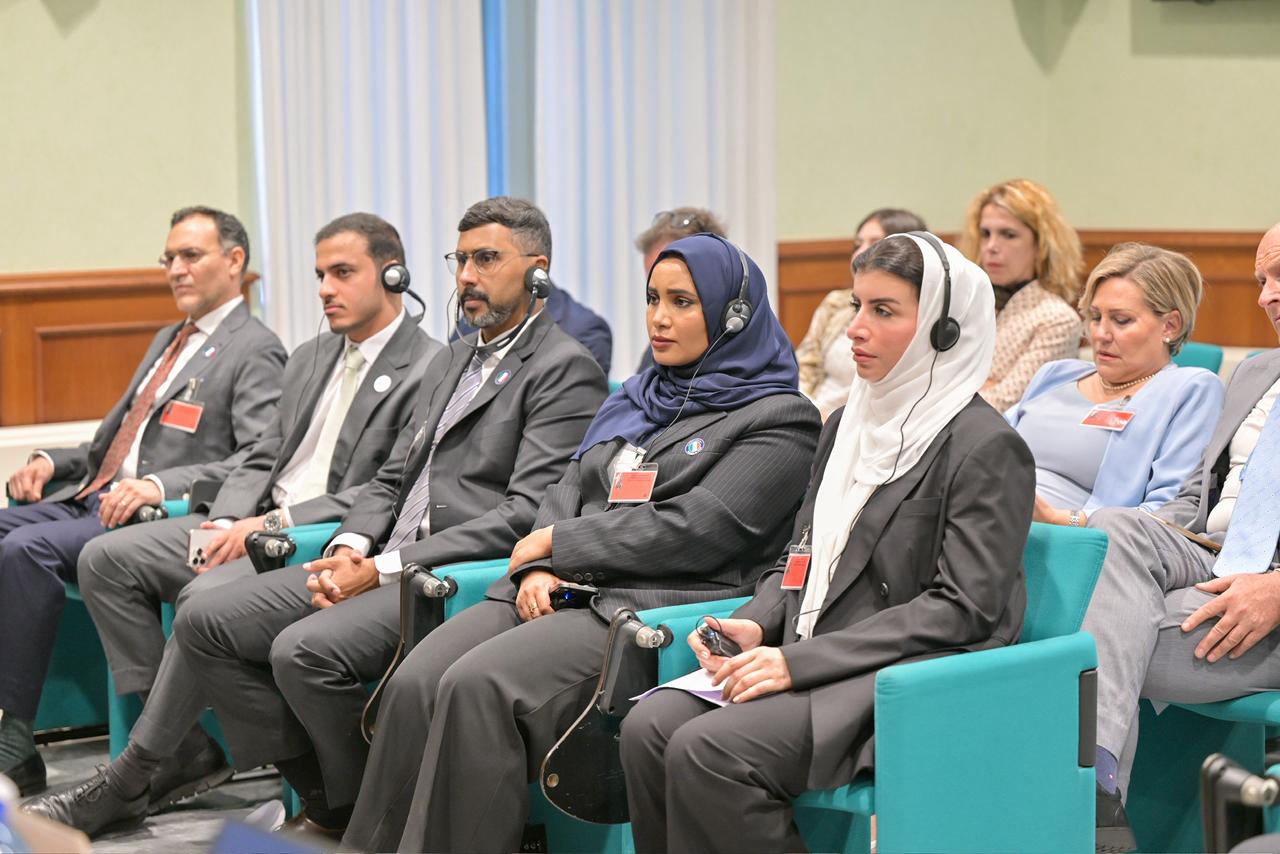
Networks of Influence
Alessandro Bertoldi stated that Europe faces a challenge that extends beyond the traditional security dimension, arguing that the Muslim Brotherhood is an organized political project seeking to establish networks of influence within European societies. He called for the adoption of clearer policies to confront what he described as attempts to create parallel societies and undermine the values of citizenship and integration.
Soad Sbai, in turn, stressed that warnings about the Muslim Brotherhood are not new, noting that she has spent years warning against the group’s political project despite having faced threats and intimidation. She reviewed the arguments presented in her book, The Muslim Brotherhood and the Conquest of the West, drawing on what is known as the Project Document, which she said reveals the organization’s strategy for expanding in the West through the establishment of organized networks, infiltration of institutions, and the presentation of a moderate public discourse while simultaneously pursuing its organizational objectives.
Challenges of Political Islam in Europe
The main session was moderated by Italian journalist Daniele Capezzone, Editor-in-Chief of Il Tempo, who emphasized that the discussion addressed one of Europe’s most significant challenges. He called for addressing the phenomenon within a framework that respects fundamental freedoms while safeguarding European societies and their democratic values.
The session also featured Professor Alexandre Del Valle, Professor of Geopolitics and co-author of the book The Project, who reviewed several documents and references on the evolution of the Muslim Brotherhood’s ideology and strategies. He spoke about what he described as the organization’s use of different narratives according to the political environments in which it operates, calling for a reassessment of Europe’s approach to political Islam.
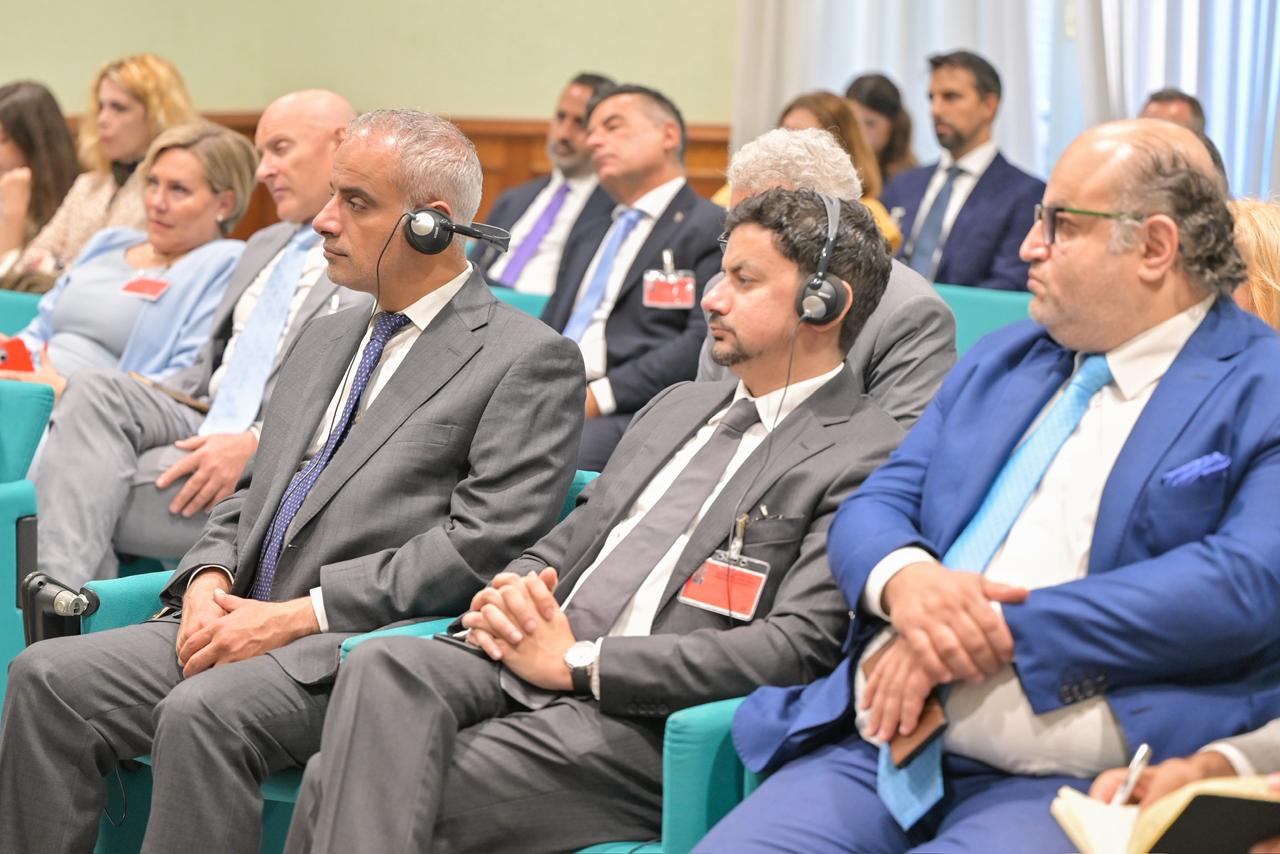
TRENDS and Countering Extremism
During the symposium, Hamad Al Hosani, Senior Researcher and Head of the Terrorism and Extremism Studies Sector at Trends, delivered a presentation highlighting the Center’s efforts to counter the Muslim Brotherhood’s ideology. He referred to the Muslim Brotherhood Encyclopedia, a major research project undertaken by Trends, noting that 16 volumes have been published to date, many of which have been translated into more than 15 languages. He also highlighted the annual TRENDS Conference on Political Islam, whose sixth edition is scheduled for next September, as well as the dozens of seminars, studies, and research articles published by the Center.
Al Hosani also addressed what he described as the risks posed by the Brotherhood’s “soft power” strategy, referring to its methods of penetration through associations, educational institutions, economic investments, digital platforms, and student activities, as well as the challenges these mechanisms pose to European national security.
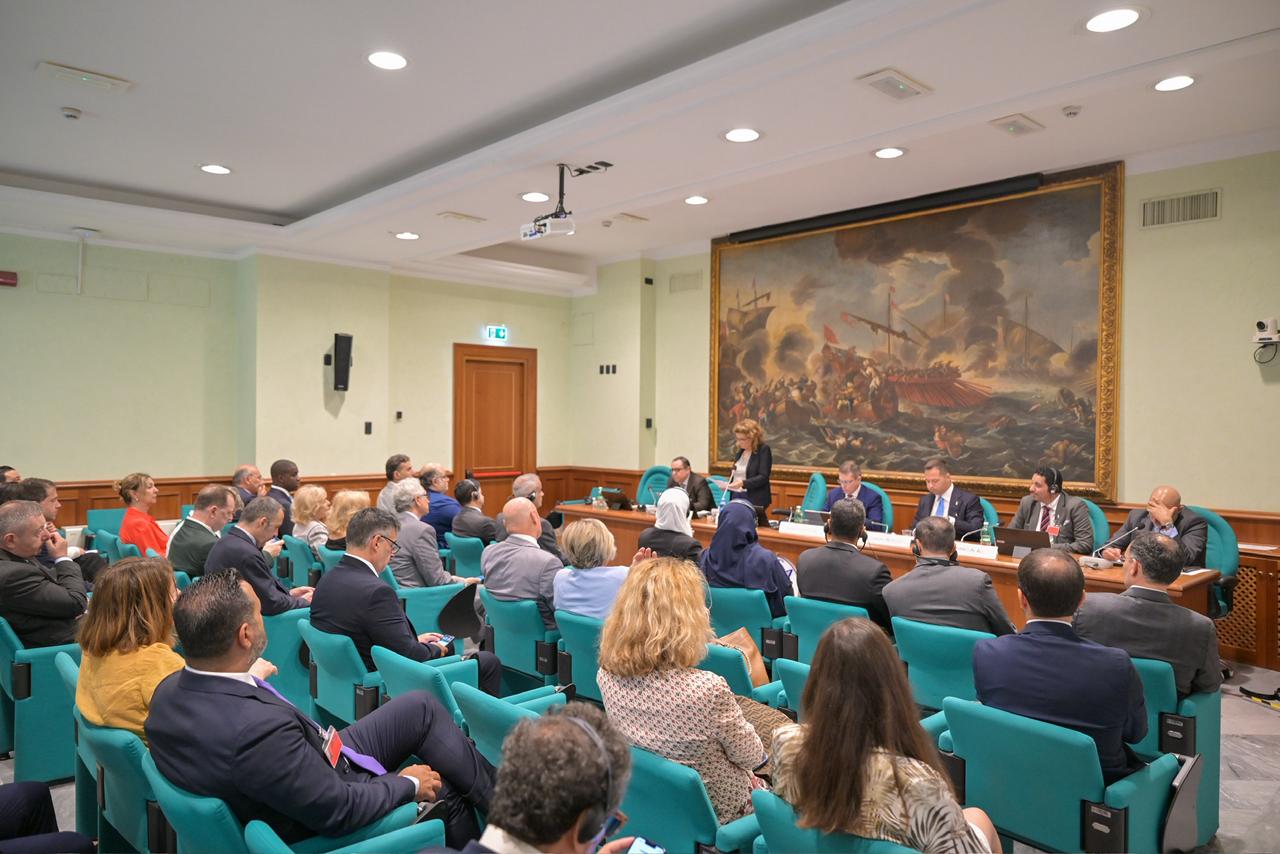
The Brotherhood Index in Italian
As part of the event, and from the Salvadori Hall, TRENDS Research & Advisory officially launched the Italian edition of the International Power Index of the Muslim Brotherhood.
Badria Al Remeithi, Senior Researcher and Director of the Political Islam Department at Trends, stated that launching the Index from the heart of Italy’s legislative institution is significant and reflects the urgent need for advanced, carefully designed analytical tools to measure and interpret the organization’s global influence.
She added that the Index represents a qualitative leap in the study of political Islam, providing the first comprehensive data-driven framework for assessing the international reach of the Muslim Brotherhood. Built on a robust quantitative methodology, the Index offers an unprecedented perspective, enabling policymakers, researchers, and security institutions in Italy and across Europe to assess the organization’s evolving strength across regions and sectors.
Al Remeithi explained that the Index’s primary objectives are to provide objective, measurable assessments of the Brotherhood’s capacity to exert influence, bridge a longstanding knowledge and methodological gap by moving from descriptive narratives to evidence-based quantitative assessments, and provide early warning indicators that help governments anticipate shifts in the organization’s strength.
She further highlighted the strategic significance of this launch in providing clear, actionable insights by mapping the Brotherhood’s multidimensional power structure—politically, organizationally, economically, in the media, and socially—from a global perspective encompassing both Europe and the wider world.
Al Remeithi added that the Index contributes to enhancing transparency and accuracy in European public and academic discourse while providing a reliable, data-based foundation to support more informed decision-making and foster a more balanced, depoliticized understanding of the movement’s contemporary trajectory.
The panel discussion concluded with closing remarks by Professor Dario Peroni, Director General of the Milton Friedman Institute. Participants emphasized that hosting the event under the dome of the Italian Chamber of Deputies reflects the importance of institutional dialogue on issues related to intellectual security, integration, the protection of democratic societies, and the strengthening of international cooperation in addressing transnational challenges through rigorous scientific research, the exchange of expertise, and the development of knowledge-based preventive policies.

